
Key Takeaways
- ▸Meat preservation is a 5,000-year fight against spoilage and decay.
- ▸Salting and drying gave meat its first real shelf life around 3000 BC.
- ▸Nicolas Appert perfected canning in 1809, winning a French prize.
- ▸Mechanical refrigeration arrived in the 1870s-80s, letting fresh meat cross oceans.
- ▸Today a continuous cold chain at -18C moves protein worldwide.
CURIOSITY FRIDAY
Fresh meat wants to spoil, and it wants to spoil fast. Every civilization that ever traded protein had to solve that problem first — and the solutions add up to a 5,000-year story that ends in a modern freezer.
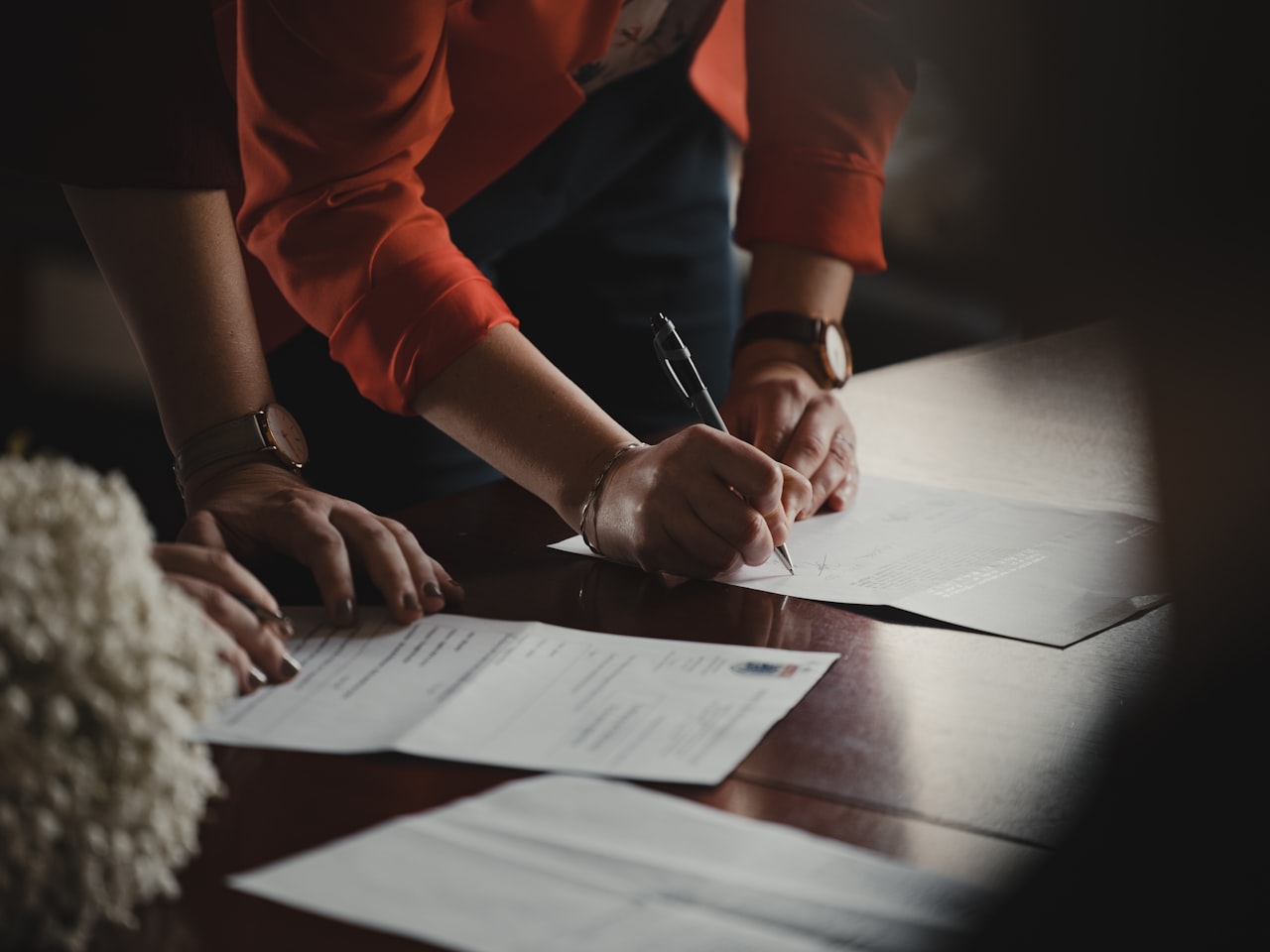
The earliest fixes were about removing what microbes need. Salt pulled the water out of meat; smoke dried and coated it; sun and wind did the rest. None of it was understood as microbiology — it just worked, so it spread everywhere humans did.
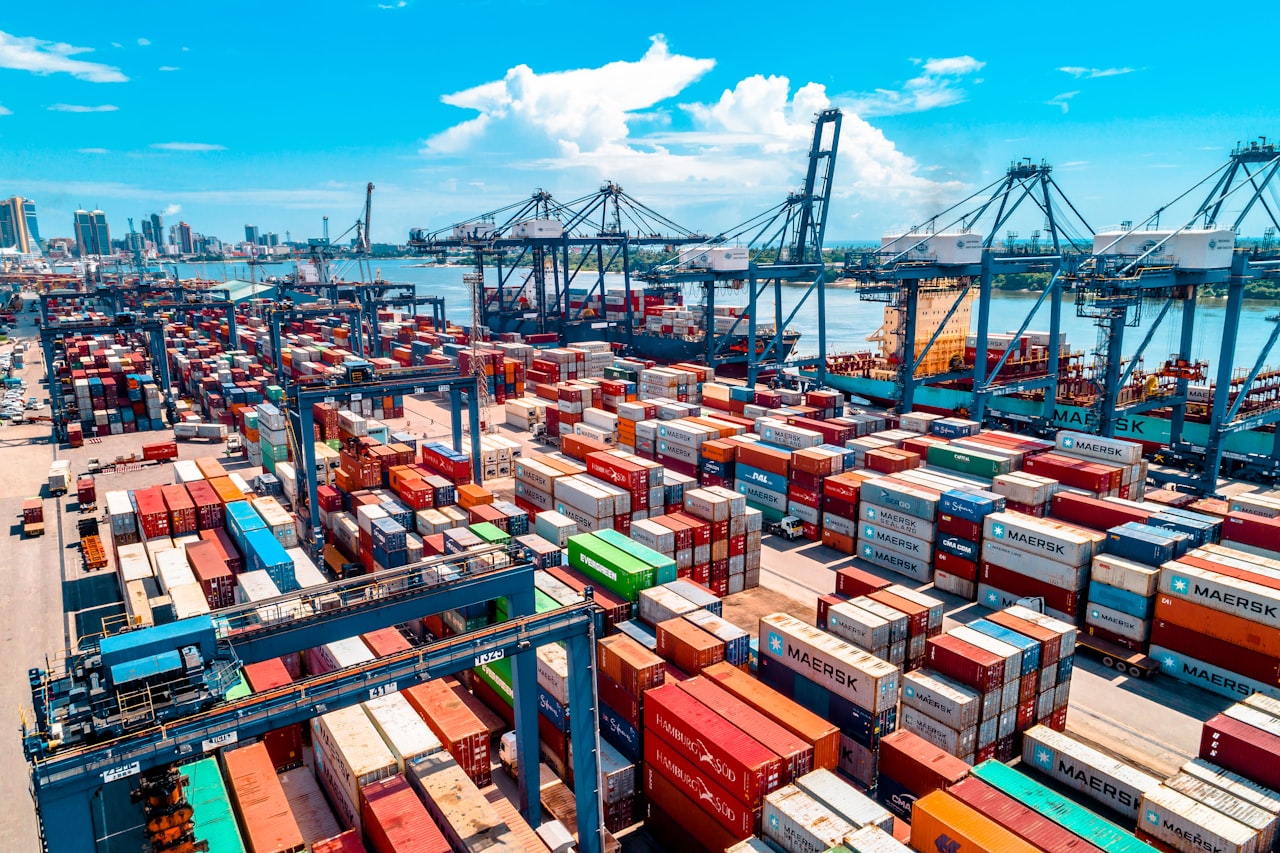
Two 19th-century leaps changed the scale of everything. Appert's canning made meat that could sit on a shelf for years, and mechanical refrigeration made it possible to move fresh protein between continents. The modern meat trade is essentially their grandchild.
Same goal, better tools
Salt pulled water out so microbes could not grow. Cold does the same job by slowing them almost to a stop. Five thousand years apart, the logic is identical: make time stand still for protein.
Every method of preservation is really a way of buying time — and time is the one thing fresh meat never had.
The 4DW Angle
Our modern answer to that ancient problem is the cold chain: protein moved at -18°C so it arrives as good as it left. Five thousand years of technique, distilled into one unbroken line on a temperature log.
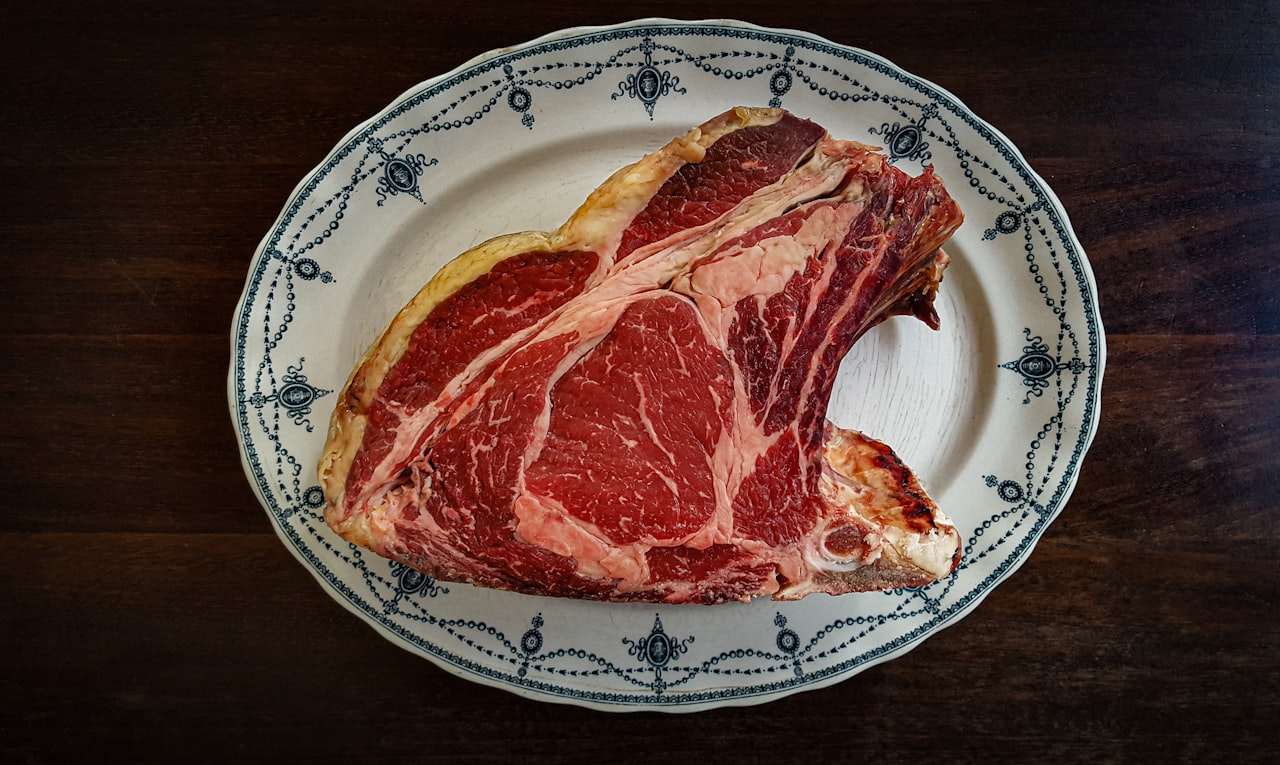
▮ Frequently asked questions
How has meat been preserved through history?
The earliest fixes removed what microbes need: around 3000 BC salting and drying gave meat its first real shelf life, and smoking later added flavour and longer life. In 1809 Nicolas Appert perfected canning, and mechanical refrigeration arrived in the 1870s-80s, letting fresh meat cross oceans between continents for the very first time.
Who invented canning and when?
French inventor Nicolas Appert perfected canning in 1809, producing sealed, heated, shelf-stable food and winning a French prize for it. Together with mechanical refrigeration in the 1870s-80s, canning changed the scale of the meat trade: one made food last for years, the other moved fresh protein between continents for the first time.
How is meat preserved for global trade today?
Modern trade relies on a continuous cold chain at -18C, letting protein travel the planet as if it never left the plant. The logic is identical to ancient salting: salt pulled water out so microbes could not grow, while cold slows them almost to a stop. Both, in effect, make time stand still for protein.
Related from the desk
SOURCES