
Key Takeaways
- ▸In 1876 Charles Tellier's Frigorifique carried meat edible after ~100 days at sea
- ▸In 1877-78 the Paraguay shipped frozen meat from the River Plate to France
- ▸Those voyages launched the intercontinental frozen-meat trade
- ▸The 1882 Dunedin founded New Zealand's frozen-lamb export industry
CURIOSITY FRIDAY
Before 1877, a cow raised in Argentina could feed only people within a few days' cart-ride of it. After 1877, it could feed Paris. The thing that changed the map was a ship that could stay cold.

South America had a problem of abundance: vast herds, tiny local demand, and no way to move meat before it rotted. Europe had the opposite — hungry cities, dear beef, distant supply. The bridge between them was refrigeration at sea, and it arrived in a rush of French engineering across two extraordinary voyages.
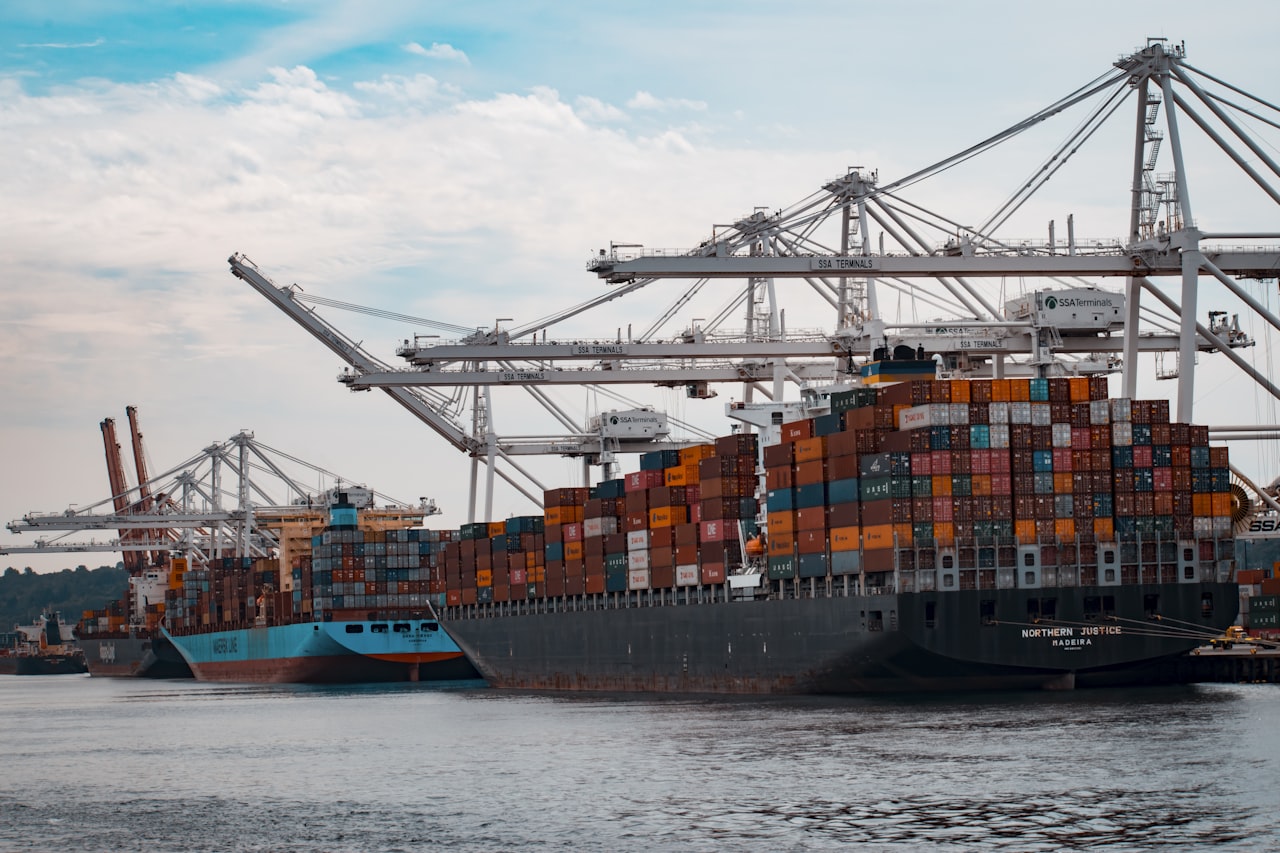
It is hard to overstate what these voyages unlocked. Argentina, Uruguay, Australia and New Zealand were rewired overnight from isolated cattle and sheep countries into global protein suppliers — and the deep structure of the trade we run today, South American surplus feeding distant demand, was set in place before the automobile existed.
Did you know?
Charles Tellier, the man who proved meat could cross an ocean, spent his fortune on refrigeration and died in poverty in 1913. France later honored him as le père du froid — 'the father of cold.' The trade he founded now moves billions of dollars a year.
Refrigeration didn't just preserve meat. It detached protein from geography — and that is the business we're still in.
The 4DW Angle
We are, in the most literal sense, in the same trade Tellier started: South American protein, kept cold, delivered to distant tables. The certificates and the container specs would astonish him — the core idea would not.
▮ Frequently asked questions
What was the first refrigerated ship to carry meat?
In 1876 Frenchman Charles Tellier fitted the steamer Frigorifique with mechanical refrigeration and sailed to Buenos Aires; the meat arrived edible after roughly 100 days at sea. In 1877-78 the Paraguay, using ammonia refrigeration, carried frozen meat from the River Plate to France, launching the intercontinental trade.
How did refrigerated ships change the meat trade?
Refrigerated ships detached protein from geography. After 1877, Argentina, Uruguay, Australia and New Zealand were rewired from isolated cattle and sheep countries into global protein suppliers. The deep structure of today's trade — South American surplus feeding distant demand — was set in place before the automobile even existed.
Who was Charles Tellier?
Charles Tellier was the French engineer who proved meat could cross an ocean, fitting the steamer Frigorifique with mechanical refrigeration in 1876. He spent his fortune on refrigeration and died in poverty in 1913. France later honored him as 'le père du froid' — the father of cold.
Related from the desk
SOURCES