Key Takeaways
- ▸German chemist Justus von Liebig devised concentrated meat extract in the 1840s.
- ▸Liebig's Extract of Meat Company opened at Fray Bentos, Uruguay, in 1865.
- ▸The company launched OXO in 1899; the stock cube followed around 1910.
- ▸Fray Bentos corned beef fed Allied troops in both world wars.
- ▸UNESCO inscribed the Fray Bentos Industrial Landscape as a World Heritage Site in 2015.
CURIOSITY FRIDAY
Before refrigerated ships, before the freezer, South America's cattle wealth was almost impossible to sell to Europe. Then a small Uruguayan town on the river found a way to put it in a jar — and later, a tin. Its name was Fray Bentos.

The problem was simple and the stakes were enormous: the River Plate had cattle beyond counting and Europe had mouths beyond counting, but an ocean of spoilage sat in between. The answer was to stop shipping the animal and start shipping its essence — shelf-stable, concentrated, transportable.
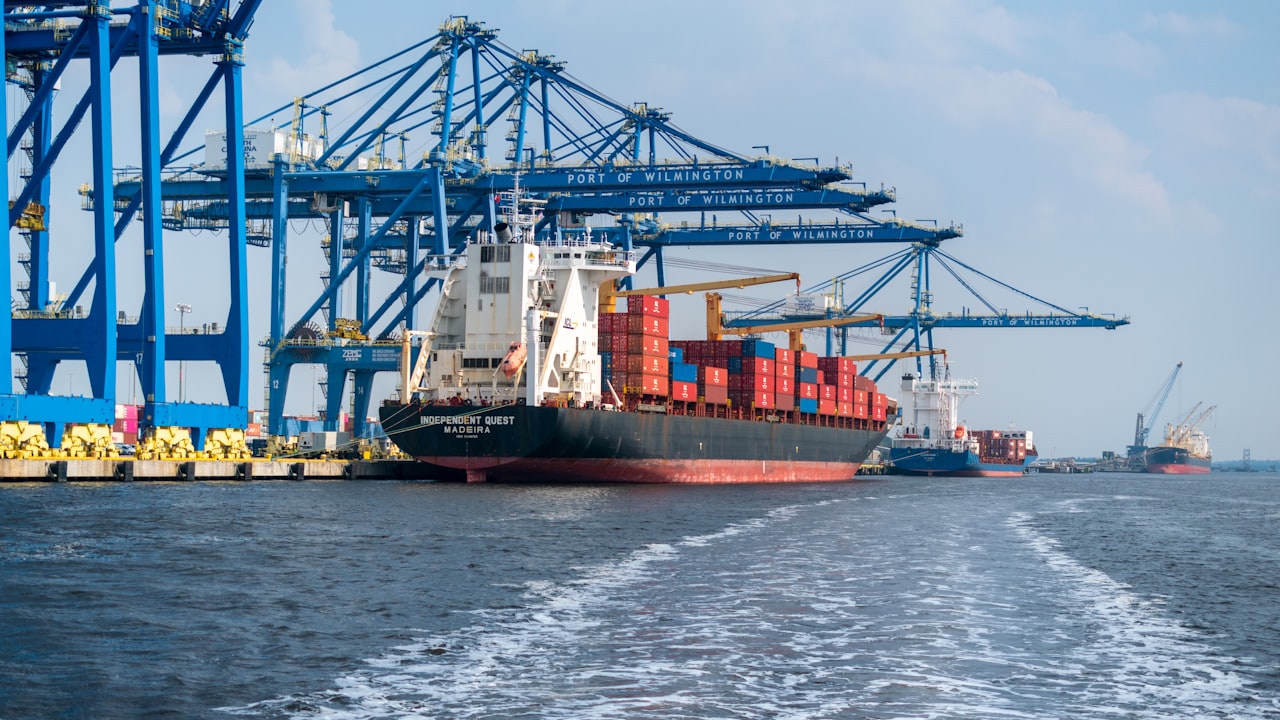
At its peak the complex drew in workers of dozens of nationalities and shipped to the whole planet — earning the nickname 'the kitchen of the world'. It was a global protein supply chain a century before the phrase existed: one origin, one processing hub, worldwide demand.
Did you know?
The Fray Bentos brand outlived the factory. Canned pies and corned beef still sell under the name in British supermarkets today — one of the oldest continuously traded meat brands on Earth.
Long before the reefer container, a Uruguayan town proved the whole thesis: demand is everywhere, supply is somewhere, and the trade is in the bridge.
The 4DW Angle
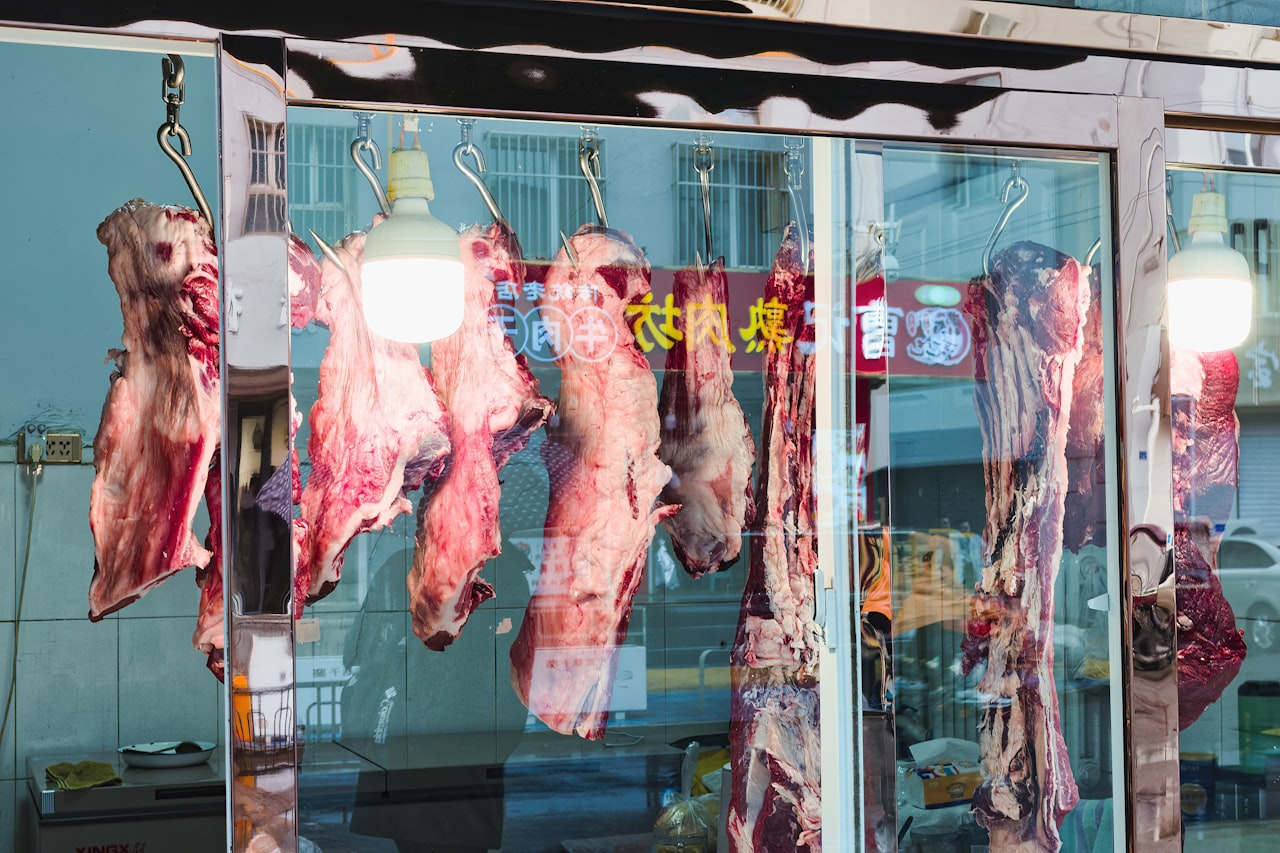
A century and a half later, we ship the same River Plate protein the same direction — only now it travels frozen, under health certificates and CAT 3 listings von Liebig could never have imagined. The technology changed completely; the underlying trade is identical.
▮ Frequently asked questions
Why was Fray Bentos called the kitchen of the world?
Fray Bentos, a town on Uruguay's river, earned the nickname because its meat-extract factory shipped concentrated River Plate beef worldwide from 1865. At its peak the complex drew workers of dozens of nationalities and supplied the whole planet - a global protein supply chain a century before the phrase existed.
Who invented meat extract and when?
German chemist Justus von Liebig devised concentrated meat extract in the 1840s - beef nutrition without refrigeration. In 1865 the Liebig's Extract of Meat Company opened at Fray Bentos, turning vast, cheap River Plate cattle into extract shipped to Europe, and later launched OXO in 1899.
Is Fray Bentos a UNESCO World Heritage Site?
Yes. UNESCO inscribed the Fray Bentos Industrial Landscape as a World Heritage Site in 2015. The site fed Allied troops corned beef, or 'bully beef', in both world wars, and the brand outlived the factory - canned pies and corned beef still sell under the name in British supermarkets today.
Related from the desk
SOURCES