
Key Takeaways
- ▸Frozen protein must stay at or below -18C from processing all the way to the vessel.
- ▸Most cold-chain failures happen at handoffs: loading, transfers, and port staging.
- ▸Reefer containers maintain set temperatures during ocean transit and inland transport.
- ▸Temperature data loggers create an auditable record proving the chain never broke.
- ▸A single temperature excursion can compromise safety, shelf life, and import acceptance.
Frozen animal protein is only as good as the cold chain that carries it. From the moment product leaves the blast freezer to the day it is loaded at destination, every handover is an opportunity for temperature to drift — and for quality to suffer.
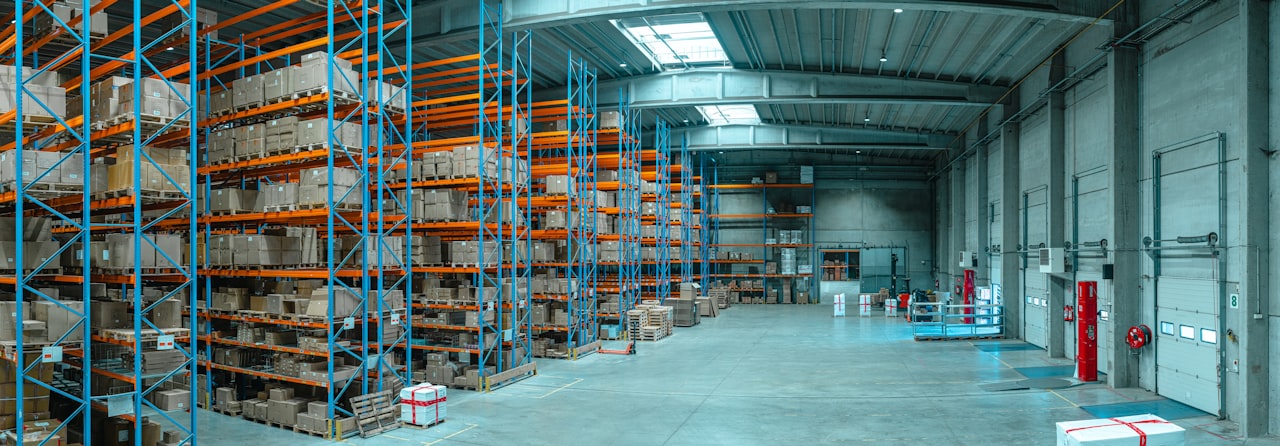
Where risk hides
Pre-cooling of reefer containers, correct set-point programming, minimal dwell time on the quay and accurate documentation all matter. A single mis-set container or a delayed gate-in can undermine an otherwise perfect shipment.
How we manage it
We treat logistics as part of the product, not an afterthought: reefer lanes chosen for reliability, container inspection before stuffing, and a documentation pack designed so shipments clear customs without surprises. The result is protein that arrives exactly as it left.
▮ Frequently asked questions
What temperature must frozen meat stay at during export?
Frozen meat must be kept at or below -18C (0F) continuously from the processing plant through storage, transport, and loading onto the vessel. This internationally recognized threshold halts microbial growth and preserves quality. Even brief excursions above -18C can shorten shelf life and jeopardize acceptance by importing authorities.
Where does the cold chain most often break?
The cold chain most often breaks at handoffs, where product moves between controlled environments. Risk points include loading docks, transfers from trucks to cold stores, plugging and unplugging reefer containers, and staging at the port before vessel loading. Delays or gaps in refrigeration at these steps cause temperature excursions.
How do exporters prove the cold chain stayed intact?
Exporters use temperature data loggers placed inside reefer containers to record conditions throughout the journey. These devices produce a continuous, time-stamped log that buyers and inspectors can audit on arrival. Combined with reefer set-point monitoring and documented handoffs, loggers provide evidence that product stayed at -18C end to end.