
Key Takeaways
- ▸-18°C (0°F) is the set point where microbial activity effectively stops
- ▸Blast and IQF freezing make tiny ice crystals so texture survives thawing
- ▸A reefer holds a frozen cargo but cannot rescue a warm one
- ▸The cold chain fails at interfaces, not during the ocean crossing
INSIDE THE INDUSTRY
Frozen protein doesn't travel well because it's frozen. It travels well because it never, for a single minute, stops being frozen.
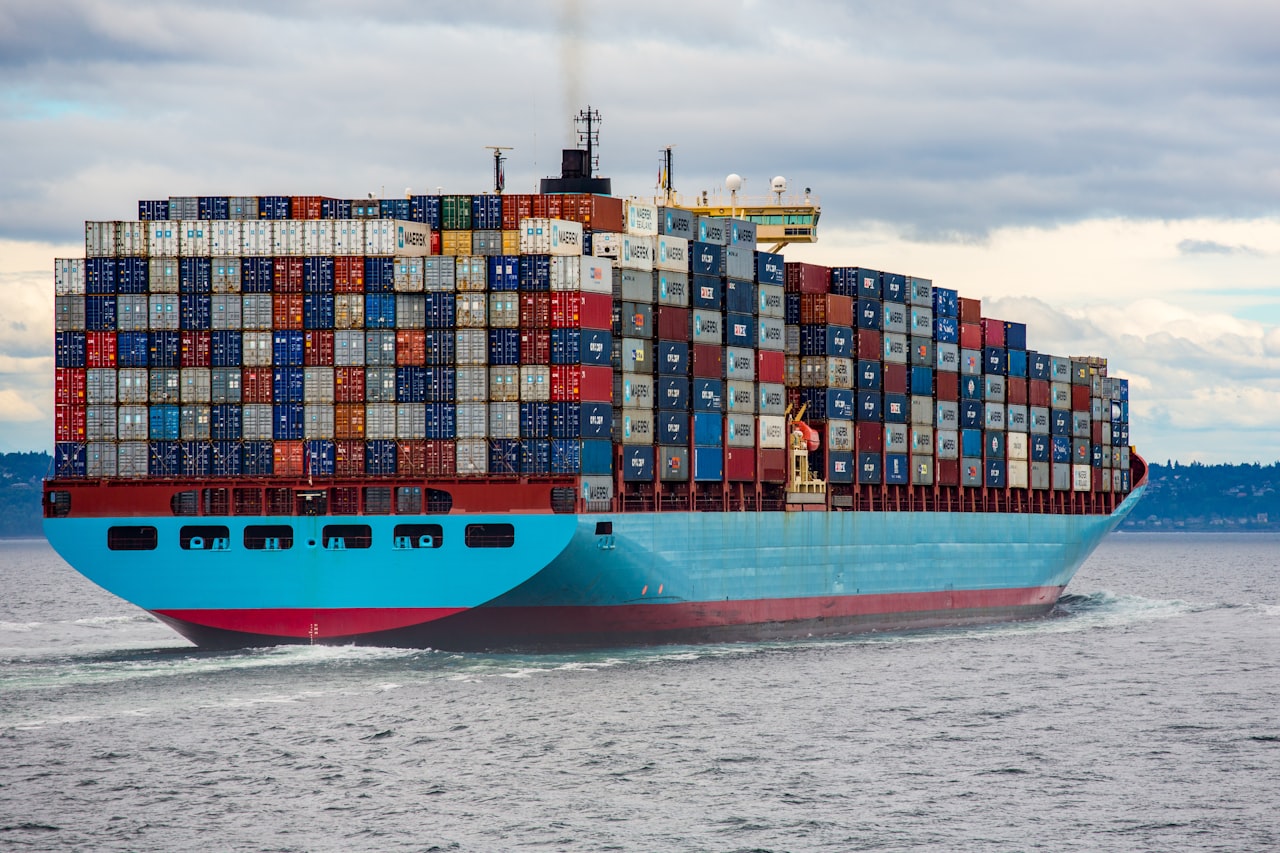
The magic number is -18°C (0°F) — the internationally agreed set point at which the water inside meat is locked solid and microbial activity effectively stops. Hit it at the plant, hold it across every hand-off, and a chicken heart frozen in Paraná arrives in Rotterdam three weeks later as if the clock had never moved. Miss it once, and the clock restarts for good.
▮ The chain, link by link
Did you know?
-18°C was not chosen for chemistry alone — it is simply 0°F, a round number from the early 20th-century US frozen-food industry that the rest of the world standardized around. Convenience became law.
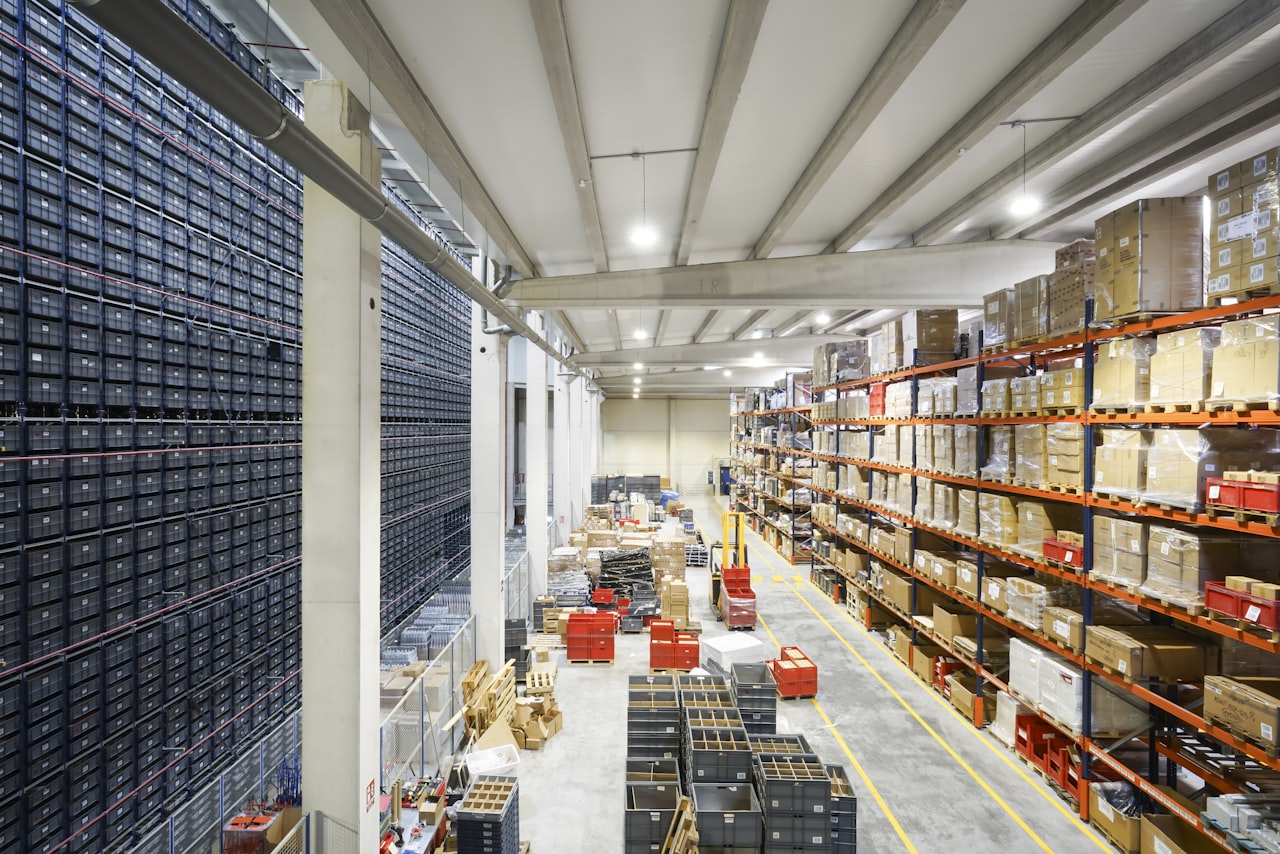
Here is the counter-intuitive part: frozen cargo almost never fails at sea, where the box hums along untouched for a fortnight. It fails at the interfaces — the plug-out window during a terminal move, the truck that idles too long, the yard where a container waits in the sun. Every break in the chain is a handshake between two parties, and every handshake is a chance to drop the ball.
Frozen protein doesn't spoil in the ocean. It spoils in the gaps between responsibilities.
The 4DW Angle
The reason we favor delivering door-to-door is exactly those gaps: when one desk owns the plant, the booking, the vessel, the clearance and the final truck, there is one party accountable for every plug and every degree. Fewer handshakes, fewer excursions.
▮ Frequently asked questions
Why is frozen meat kept at -18°C?
-18°C (0°F) is the internationally agreed set point at which the water inside meat is locked solid and microbial activity effectively stops. Hit it at the plant and hold it through every hand-off, and protein frozen in Brazil arrives in Europe weeks later as if the clock had never moved.
What is the difference between blast freezing and IQF?
Blast freezing drives a product's core temperature down in hours rather than days. IQF, or Individually Quick Frozen, freezes pieces one by one so nothing clumps together. Both create tiny ice crystals, and tiny crystals mean the texture survives thawing intact — which is the whole point of freezing fast.
Where does the cold chain usually break?
Frozen cargo rarely fails at sea, where the reefer hums along untouched for a fortnight. It fails at the interfaces — the plug-out window during a terminal move, a truck that idles too long, a yard where a container waits in the sun. Every hand-off is a chance to drop the ball.
Related from the desk
SOURCES