
Key Takeaways
- ▸TRACES is the EU's digital system for controls on animal-origin products
- ▸Importers pre-notify each consignment with a CHED in TRACES-NT
- ▸Border posts run documentary, identity and physical checks
- ▸Cleared once at first entry, cargo circulates freely across 27 states
INSIDE THE INDUSTRY
Every carton of animal-origin product that crosses into the European Union has an invisible travel companion: a database entry. Miss it, or fill it wrong, and the cargo is stopped before a single box is opened. That system is TRACES.
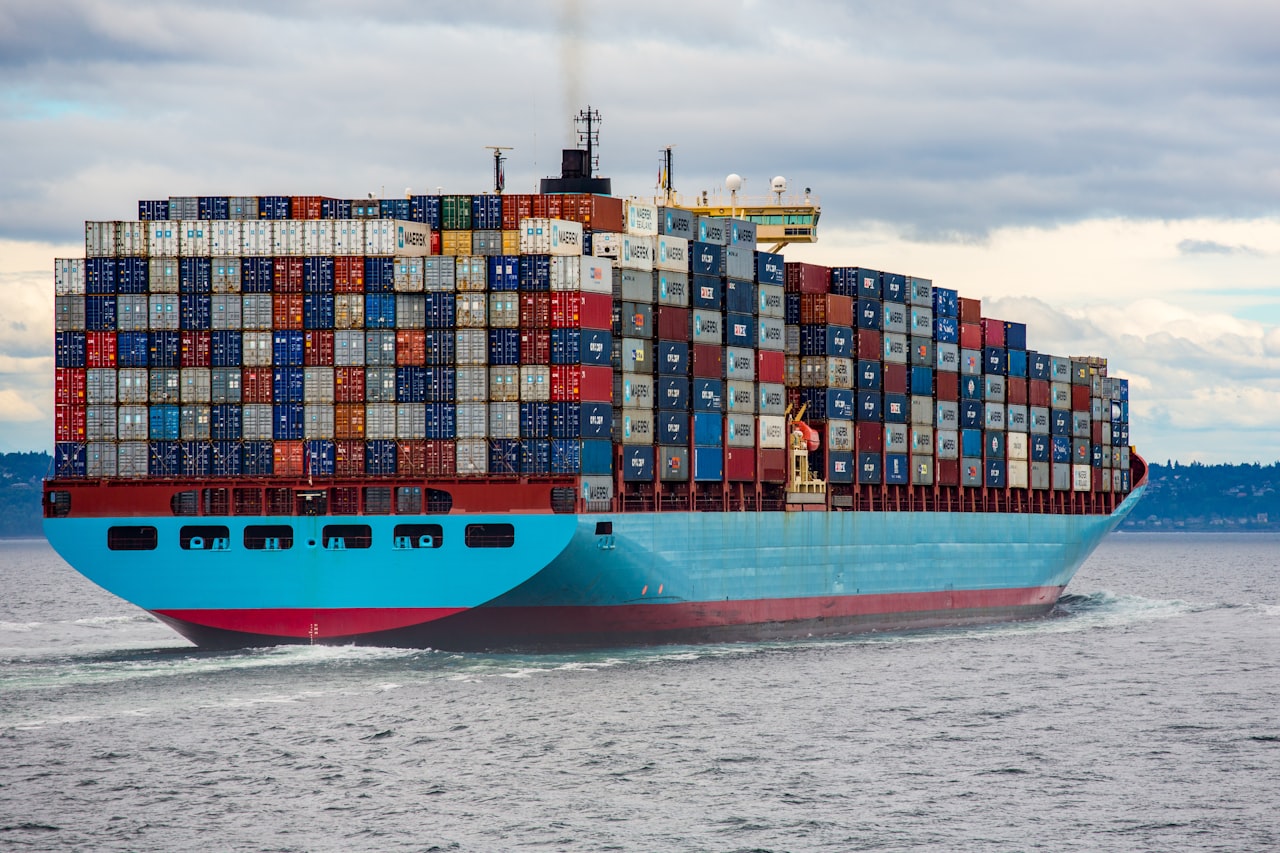
TRACES — the EU's TRAde Control and Expert System, now in its modern TRACES-NT form — is the online backbone of official controls on food, feed, animals and animal products. It sits on top of the EU's Official Controls Regulation and turns what used to be a paper chase into a single digital workflow that every member state can see.
▮ How a consignment clears the border
One system, one market
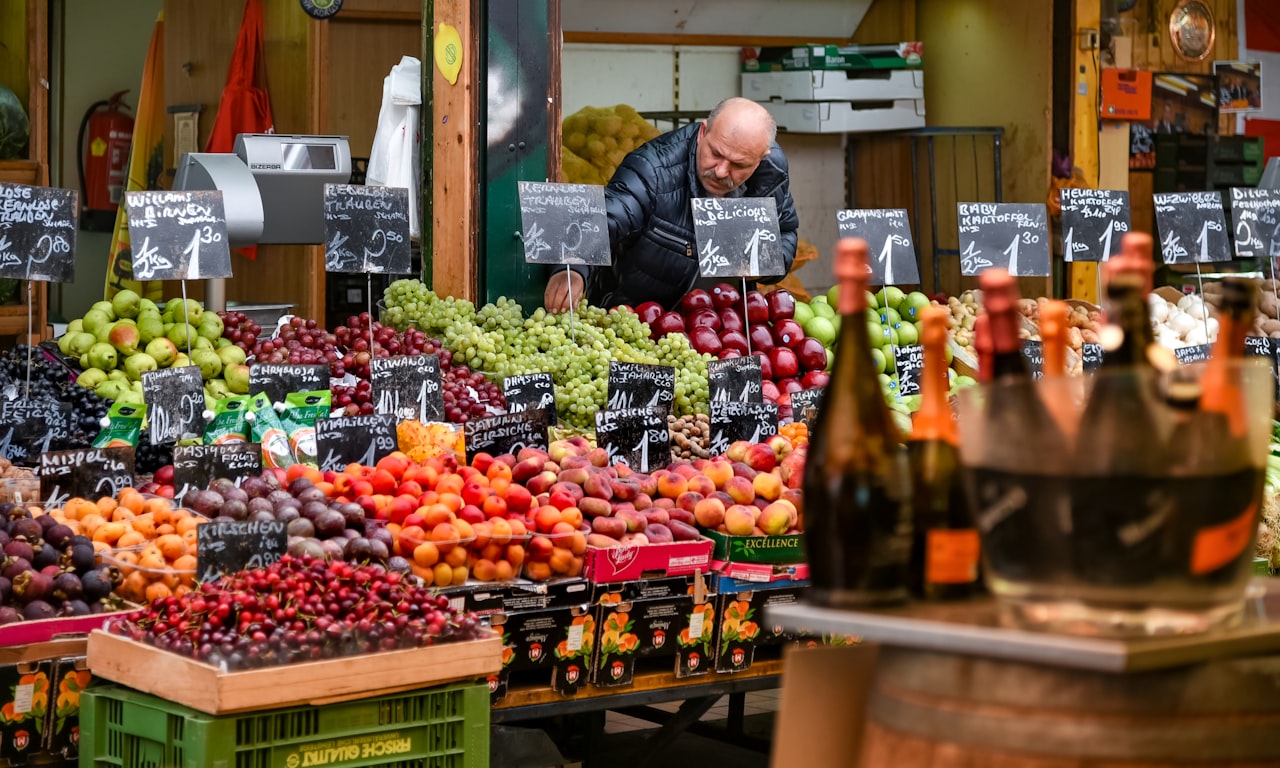
The point of TRACES is leverage: clear the checks once, at the first point of entry, and the consignment moves freely across all 27 member states. The system links directly to the EU's official-controls framework — which is why a clean TRACES record is worth far more than the sum of its clicks.
In modern EU trade a cargo can be flawless and still be turned away — if the data isn't. The paperwork is the product now.
The 4DW Angle
We ship CAT 3 and human-consumption product into the EU routinely, which means TRACES-NT, CHEDs and BCP workflows are day-to-day vocabulary, not obstacles. A supplier fluent in the system is a supplier whose cargo doesn't sit at the border.

▮ Frequently asked questions
What is TRACES?
TRACES, the EU's TRAde Control and Expert System in its modern TRACES-NT form, is the online backbone for official controls on food, feed, animals and animal products. It sits on the Official Controls Regulation and turns what used to be a paper chase into one digital workflow every member state can see.
How does a consignment clear an EU border control post?
The importer pre-notifies with a Common Health Entry Document, or CHED, in TRACES-NT. At the border control post officials run a documentary check, an identity check of seals and labels, and a physical check where required. Once the CHED is validated, the cargo enters free circulation across the EU.
What is a CHED?
A CHED, or Common Health Entry Document, is the pre-notification an importer or agent lodges in TRACES-NT before animal-origin cargo arrives, declaring exactly what is coming and where it will land. Border officials verify it against the health certificate before clearing the consignment into free EU circulation.
Related from the desk
SOURCES