Key Takeaways
- ▸Freeze-drying, or lyophilization, removes water by sublimation under vacuum.
- ▸Frozen ice turns directly into vapour, skipping the liquid stage entirely.
- ▸It preserves nutrients, aroma and protein structure without cooking or browning.
- ▸Inca communities freeze-dried potatoes into chuno on high Andean peaks pre-1500s.
- ▸Freeze-dried treats use cold and vacuum, unlike heat-based dehydrated ones.
CURIOSITY FRIDAY
Pick up a bag of premium dog treats and there's a good chance the meat inside was frozen, then made to vanish its own water without ever melting. That trick has a name — lyophilization, or freeze-drying — and it quietly took over the treat aisle.
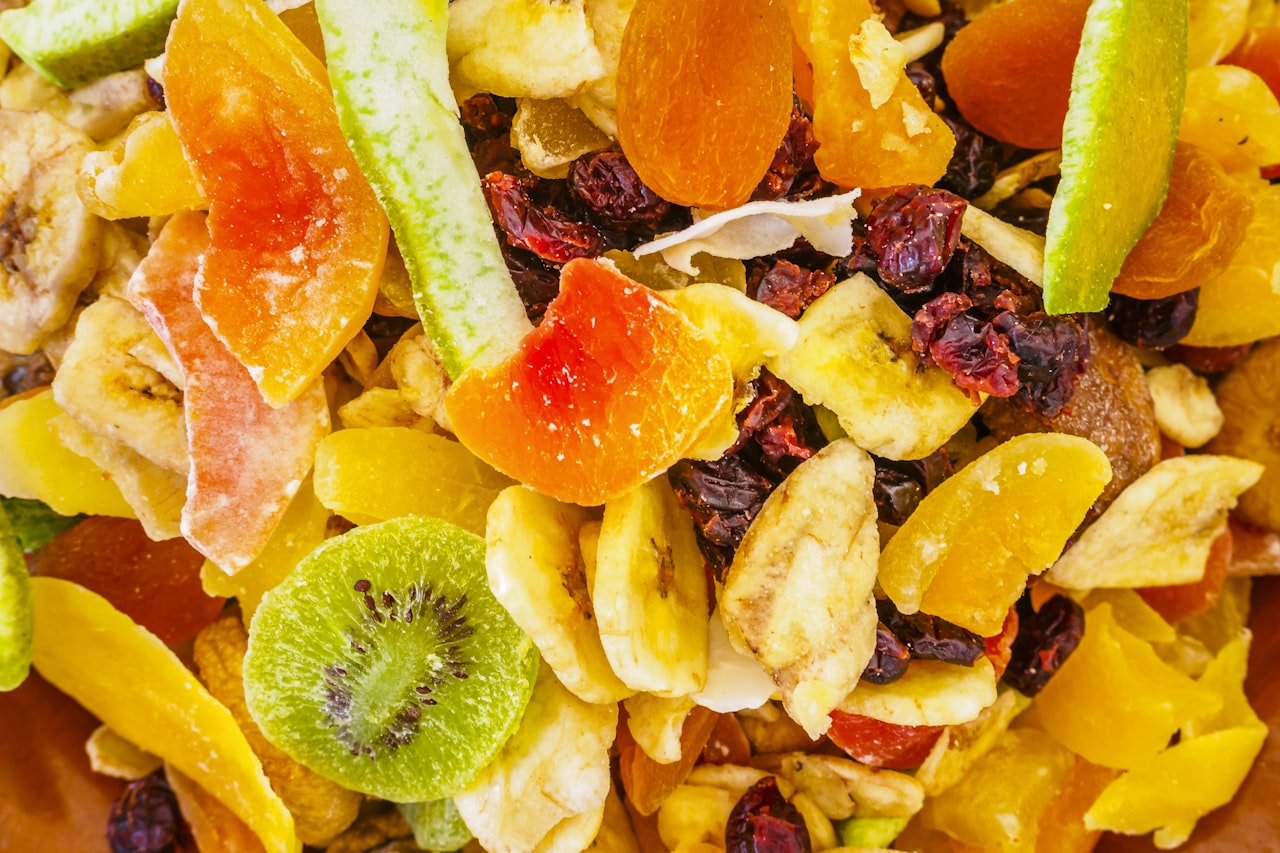
The appeal is a rare double win: freeze-drying preserves nutrients and flavour almost perfectly, yet leaves a shelf-stable, feather-light product that needs no refrigeration. For single-ingredient treats — a pure chunk of liver, a whole small fish — it is close to magic. But the science is older, and stranger, than the pet aisle suggests.
▮ How you remove water without melting it

Why does it preserve so well? Because water is what spoilage needs. Remove it at low temperature — no cooking, no browning — and you keep the protein structure, the vitamins and the volatile aroma compounds that make a treat smell irresistible to a dog or cat. Add nothing back and it stays shelf-stable; add water and it rehydrates close to fresh.
Freeze-dried vs the rest
Not all 'dried' is equal. Dehydrated and air-dried treats use heat to drive off moisture, which can cook away some nutrients and aroma. Freeze-dried uses cold and vacuum instead — pricier to make, but closest to the raw original. That gap is precisely what the premium label is selling.
The 4DW Angle
Freeze-drying sits right on top of our supply lane: a single-ingredient premium treat is only as good as the organ or muscle meat that went into the chamber. Consistent, well-handled, documented raw material is what lets a manufacturer put 'one ingredient' on the front of the bag and mean it.
▮ Frequently asked questions
How does freeze-drying work?
Freeze-drying, or lyophilization, first freezes the meat or organ solid, locking its water in place as ice. Inside a sealed chamber, pressure drops far below normal air, and gentle warmth turns the ice directly into vapour, sublimation, skipping the liquid stage entirely. A final drying pass removes the last moisture before sealing.
Why does freeze-drying preserve food so well?
Water is what spoilage needs. Removing it at low temperature, with no cooking and no browning, keeps the protein structure, the vitamins and the volatile aroma compounds that make a treat smell irresistible. Add nothing back and it stays shelf-stable for months; add water and it rehydrates close to fresh again.
What is the difference between freeze-dried and dehydrated treats?
Dehydrated and air-dried treats use heat to drive off moisture, which can cook away some nutrients and aroma. Freeze-dried treats use cold and vacuum instead, pricier to make but closest to the raw original. That gap between the methods is precisely what the premium label is selling in the treat aisle.
Related from the desk
SOURCES