Key Takeaways
- ▸Roughly half of European households now live with a pet
- ▸Humanization pushes named proteins, functional claims and origin stories
- ▸Premium value grows faster than volume in pet food
- ▸Pet food spending kept growing through 2008, 2020 and the inflation years
THE BIG PICTURE
Somewhere in the last two decades, the pet stopped eating leftovers and started having dietary requirements. That single cultural shift moves more money than most commodity cycles.
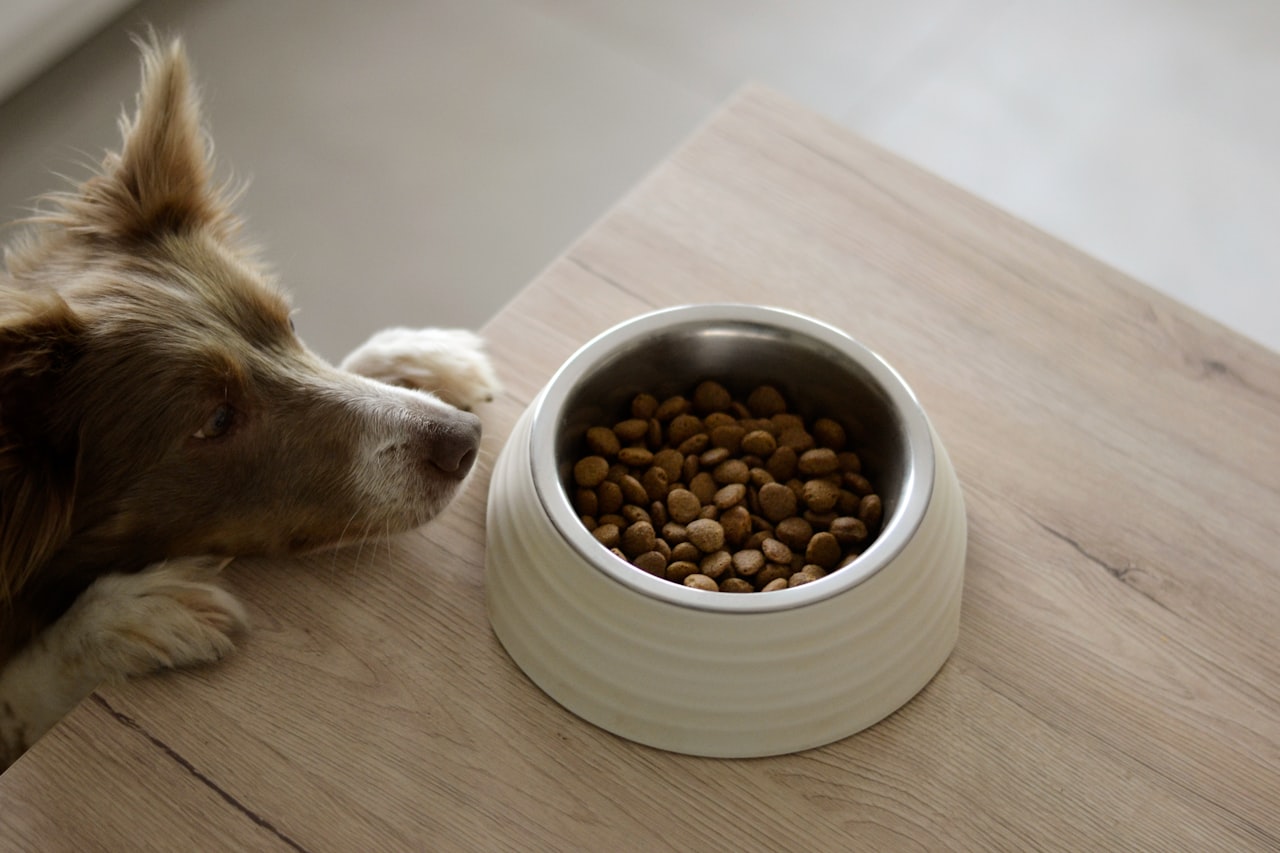
Roughly half of European households now live with a pet (FEDIAF counts hundreds of millions of animals across the continent). And the human doing the shopping applies human logic: named protein sources, functional benefits, origin stories, 'no fillers'. The label literacy that took human food fifty years arrived in pet food in ten.
▮ What humanization does to a supply chain
Premiumization is the reason a tonne of carefully specified chicken hearts can outperform a tonne of commodity meat on margin. It is also why documentation became a product feature: you cannot claim 'single origin, human-grade handling' without a chain of custody that proves it.
The pet eats the protein. The human eats the story. A good supplier feeds both.
The floor under the market
Through 2008, 2020 and the inflation years, pet food spending kept growing in most markets. Owners downgrade their own dinner before the animal's. For suppliers, that is as close to defensive demand as agriculture gets.
The 4DW Angle
Our pet food lines are built for the premium tier: spec-consistent organs and raw materials with EU-grade traceability. Humanization keeps raising the documentation bar — which suits plants that invested in it early.
▮ Frequently asked questions
What is pet humanization?
Pet humanization is the cultural shift toward treating pets as family, applying human food logic to their diets: named protein sources, functional benefits, origin stories and 'no fillers' claims. With roughly half of European households owning a pet, it reorganizes what pet food is made of and who gets to supply it.
Why is pet food considered recession-proof?
Through the 2008 crash, 2020 and the inflation years, pet food spending kept growing in most markets. Owners downgrade their own dinner before the animal's, making pet food about as close to defensive demand as agriculture gets. Food is reliably the last thing a pet owner cuts from the budget.
How does humanization change pet food ingredients?
Humanization drives premiumization: named proteins like 'chicken liver' instead of 'meat derivatives', functional benefits, and traceable origin claims backed by paper. Value grows faster than volume, so carefully specified raw materials outperform commodity meat on margin, and documentation itself becomes a genuine product feature buyers pay for.
Related from the desk
SOURCES