
Key Takeaways
- ▸Hong Kong and Singapore import far more meat than their populations can eat.
- ▸Hong Kong is an entrepot re-exporting beef and offal into Greater China.
- ▸Hong Kong is a major market for offal and variety meats prized in Asia.
- ▸Singapore's draw is trust: strict standards and an efficient regulator.
- ▸Clearing Singapore's requirements acts as a quality badge across the region.
REGION FOCUS · HONG KONG & SINGAPORE
On a map they are dots. In the protein trade they are gateways. Hong Kong and Singapore import far more meat than their populations could ever eat — because the meat is mostly passing through.
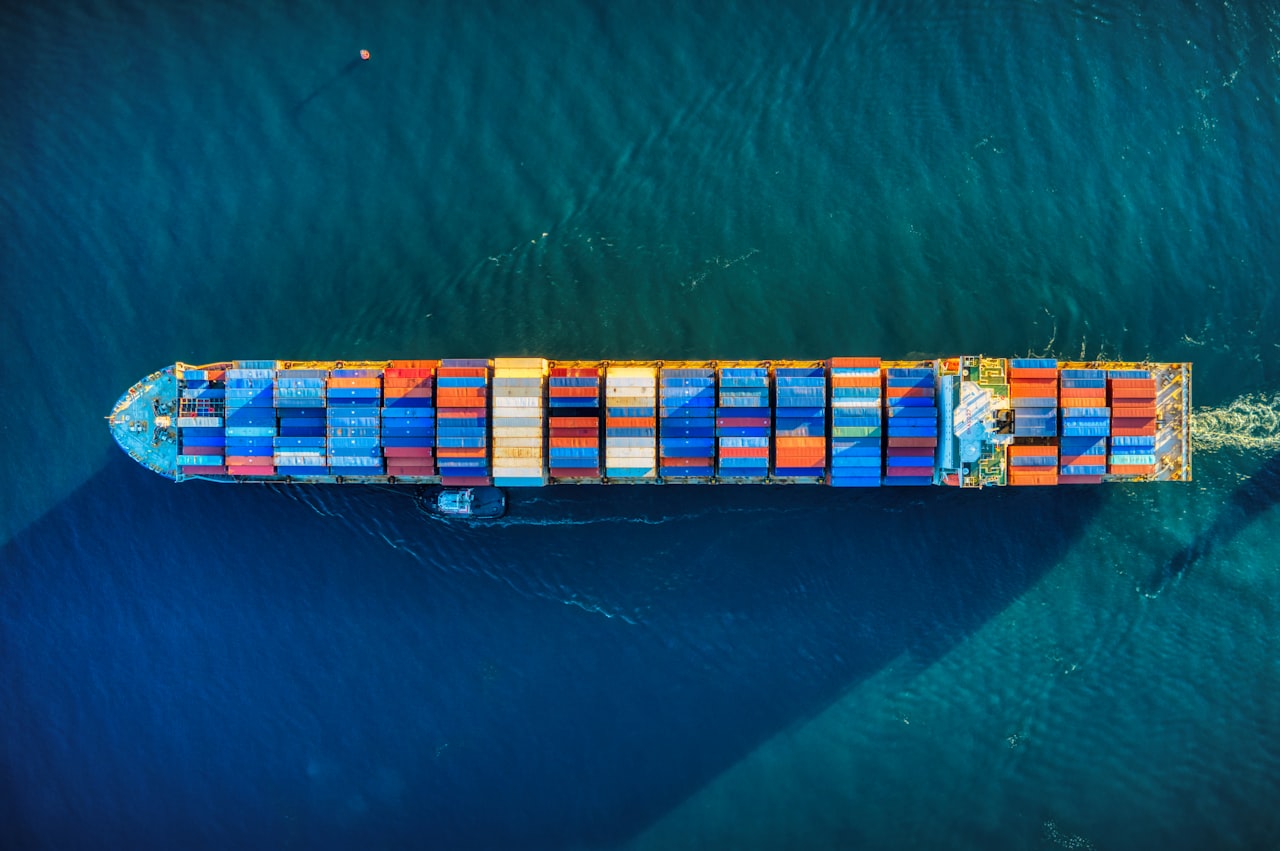
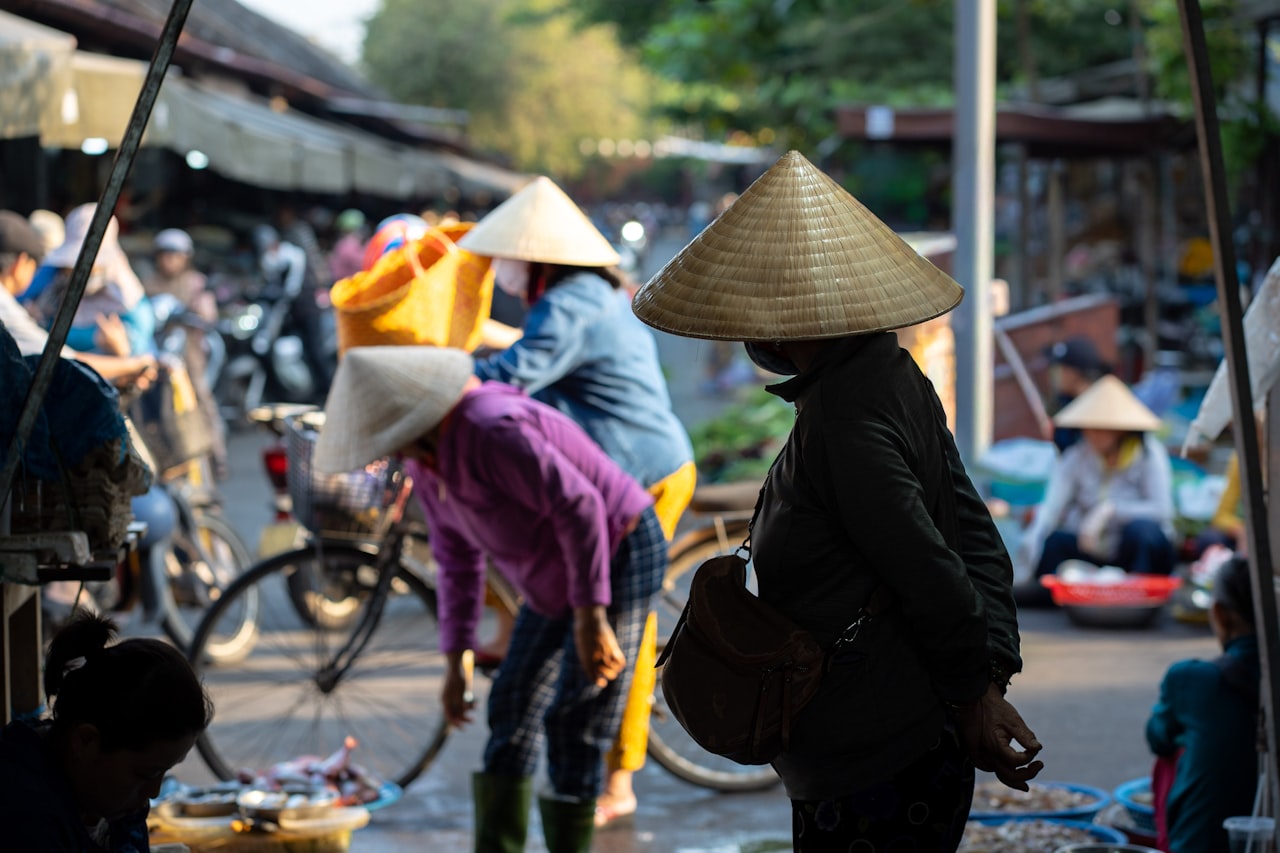
Hong Kong's role is the classic entrepôt: cargo lands, clears, and moves on — often into the wider Greater China region. It is also one of the world's great markets for offal and variety meats, the cuts that command a premium in Asia and little attention in the West.
Singapore plays a different hand. Its draw is trust: exacting import standards, an efficient regulator and a reputation as a clean, reliable trading hub for all of Southeast Asia. Clearing Singapore's requirements is, in effect, a quality badge recognized around the region.
| Hong Kong | Singapore | |
|---|---|---|
| Role | Entrepôt and re-export hub | Strict-standard trading hub |
| Draw | Deep demand for offal and variety meats | A trusted gateway into Southeast Asia |
| For exporters | A door into Greater China flows | A benchmark for documentation quality |
Both territories import well beyond domestic consumption — they are conduits as much as markets.
Small ports, long reach
Hong Kong and Singapore import far more protein than they consume. Both are hubs: cargo arrives, clears, and moves on. For an exporter, they are less an end market than a set of doors into a much larger region.
Some of the most important protein markets on earth are places almost no one lives — they are simply where the trade changes hands.
The 4DW Angle
For a desk shipping variety meats out of South America, these two hubs are strategic: Hong Kong for offal demand and onward flows, Singapore as the standard that opens the rest of the region. Understanding a gateway is often worth more than chasing the market behind it.

▮ Frequently asked questions
Why do Hong Kong and Singapore import so much meat?
Both territories import far more protein than their populations could ever eat, because the meat is mostly passing through. They are hubs: cargo arrives, clears, and moves on. Hong Kong re-exports into Greater China, while Singapore serves as a trusted gateway into Southeast Asia rather than a final end market of its own.
What role does Hong Kong play in the offal trade?
Hong Kong is a classic entrepot: cargo lands, clears and moves on, often into the wider Greater China region. It is also one of the world's great markets for offal and variety meats, the cuts that command a premium in Asia while attracting little attention in the West, making it a key door for exporters.
Why is clearing Singapore's import standards valuable?
Singapore's draw is trust, built on exacting import standards, an efficient regulator and a reputation as a clean, reliable trading hub for all of Southeast Asia. Clearing its requirements is, in effect, a quality badge recognized around the region, a benchmark for documentation quality rather than merely access to one market.
Related from the desk
SOURCES