
Key Takeaways
- ▸DDP (Delivered Duty Paid) puts the maximum obligation on the seller
- ▸The seller clears import customs and pays duties and taxes
- ▸Under DDP risk passes to the buyer only at the named destination
- ▸DDP may require the seller to hold VAT registration or fiscal representation
INSIDE THE INDUSTRY
Three letters carry more weight in a contract than almost anything else in the price: DDP — Delivered Duty Paid. It is the Incoterm that says, in effect, 'I'll handle everything; you open the door.'
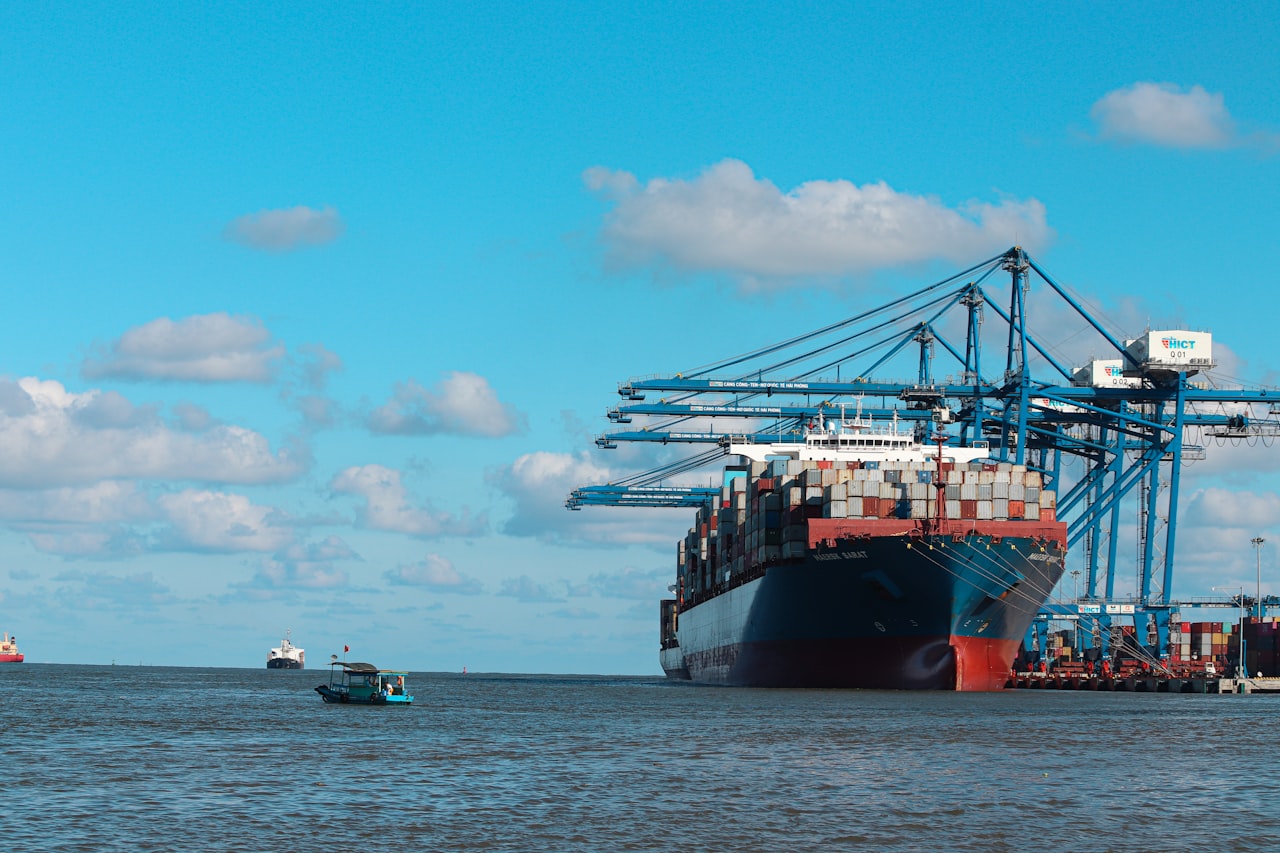
Incoterms — the International Chamber of Commerce's shipping rulebook, last revised in 2020 — are the shared grammar of global trade. Of the eleven terms, DDP places the maximum obligation on the seller: they carry the cost and risk all the way to the buyer's named destination, including clearing the goods for import and paying the duties and taxes.
▮ What the seller takes on under DDP
| Term | Main freight | Import clearance & duty | Risk passes to buyer |
|---|---|---|---|
| FOB | Buyer | Buyer | At origin — once on board the vessel |
| CIF | Seller (to destination port) | Buyer | At origin — once on board the vessel |
| DDP | Seller | Seller | At the named destination place |
Incoterms® 2020, simplified. FOB and CIF are sea-freight terms; DDP works for any transport mode.
The trap in DDP
Because the seller clears import customs, they may need to be registered for VAT or hold fiscal representation in the buyer's country. It is the detail that catches out sellers who quote DDP without the local footprint to back it — and the reason experienced desks build that capability before they promise the door.
FOB ends at the ship's rail. DDP ends at your loading dock. Everything in between is someone's problem — the term just decides whose.
The 4DW Angle
Door-delivered, duty-paid frozen protein is a service we lean into precisely because it is hard: it absorbs the customs, the duties and the risk the buyer least wants to carry. When the offer is DDP, 'the price' is genuinely the price.

▮ Frequently asked questions
What does DDP mean in shipping?
DDP, or Delivered Duty Paid, is the Incoterms 2020 rule placing the maximum obligation on the seller. The seller carries cost and risk all the way to the buyer's named destination, including clearing the goods for import and paying duties and taxes. In effect: I'll handle everything; you open the door.
How does DDP differ from FOB and CIF?
Under FOB and CIF, risk passes to the buyer at origin once goods are on board, and the buyer handles import clearance and duties. Under DDP, the seller books the freight, clears import customs, pays the duties, and bears risk until delivery at the named destination — far more obligation on the seller.
What is the catch with DDP?
Because the seller clears import customs, they may need to be registered for VAT or hold fiscal representation in the buyer's country. This trap catches out sellers who quote DDP without the local footprint to back it, which is why experienced desks build that capability before they ever promise the door.
Related from the desk
SOURCES