
Key Takeaways
- ▸Cats are obligate carnivores that cannot make enough taurine themselves
- ▸A 1987 study linked taurine deficiency to feline dilated cardiomyopathy
- ▸Since the late 1980s, taurine is added to all cat diets as standard
- ▸Cats also need preformed vitamin A and arachidonic acid from animal tissue
CURIOSITY FRIDAY
You can raise a healthy dog on a carefully formulated meat-free diet. Try the same with a cat and you will slowly, unknowingly, break its heart — literally. The reason is a molecule most people have never heard of: taurine.
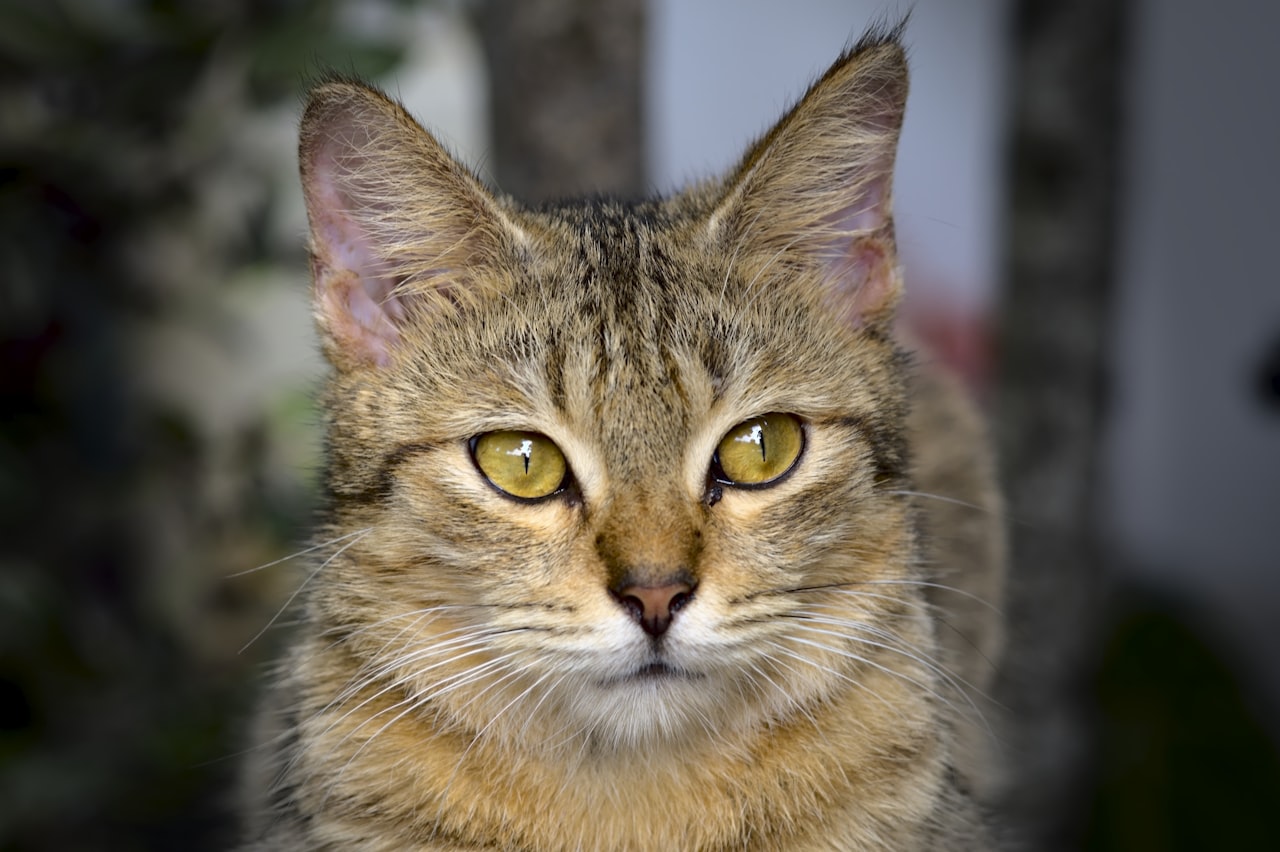
Cats are obligate carnivores: evolution built them to eat other animals, and their biochemistry never developed the shortcuts an omnivore relies on. Dogs manufacture taurine from other amino acids; cats barely can, and they lose it constantly through their bile. Plants contain effectively none. For a cat, taurine is not a nice-to-have — it must arrive, pre-made, in the diet. And it comes from animal tissue.
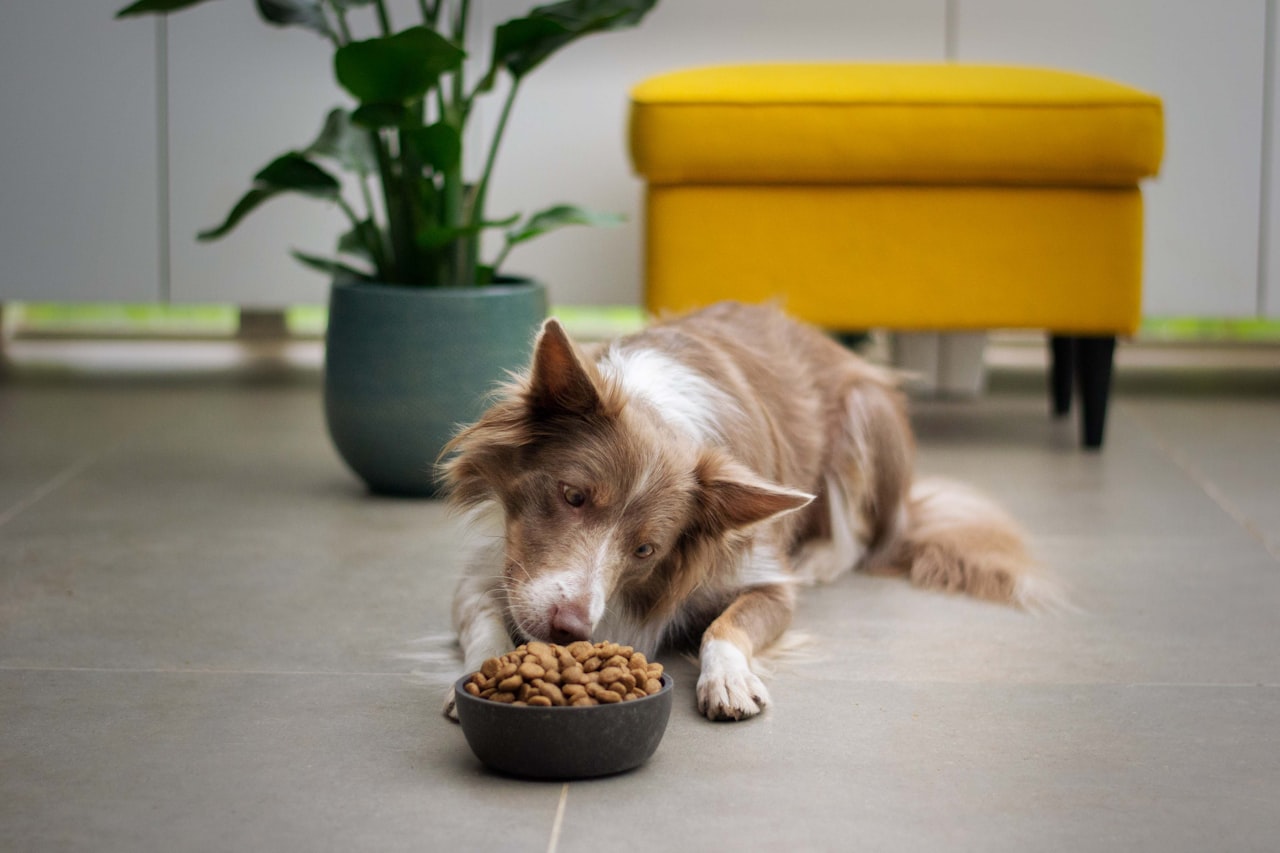
Taurine gets the headline, but it has company. Cats also need preformed vitamin A (they can't convert the beta-carotene in plants), arachidonic acid (an animal-sourced fatty acid), and a steady supply of high-quality protein their metabolism assumes will always be there. Each one is a door that only animal tissue opens.
Did you know?
The reason a cat can be poisoned by a vegetarian diet but a dog often can't comes down to a weak enzyme pathway plus constant taurine loss through bile. Dogs got flexible; cats got specialized. Ten thousand years of domestication didn't change the wiring.
Marketing can make a cat's dinner look like a salad. Biochemistry makes sure it never actually is.
The 4DW Angle
This is, quietly, one of the most durable demand signals in our business: 110 million-plus cats in Europe alone, each one hard-wired to require animal protein. No plant-based trend rewrites feline physiology — which keeps documented, high-quality animal raw materials firmly in the bowl.
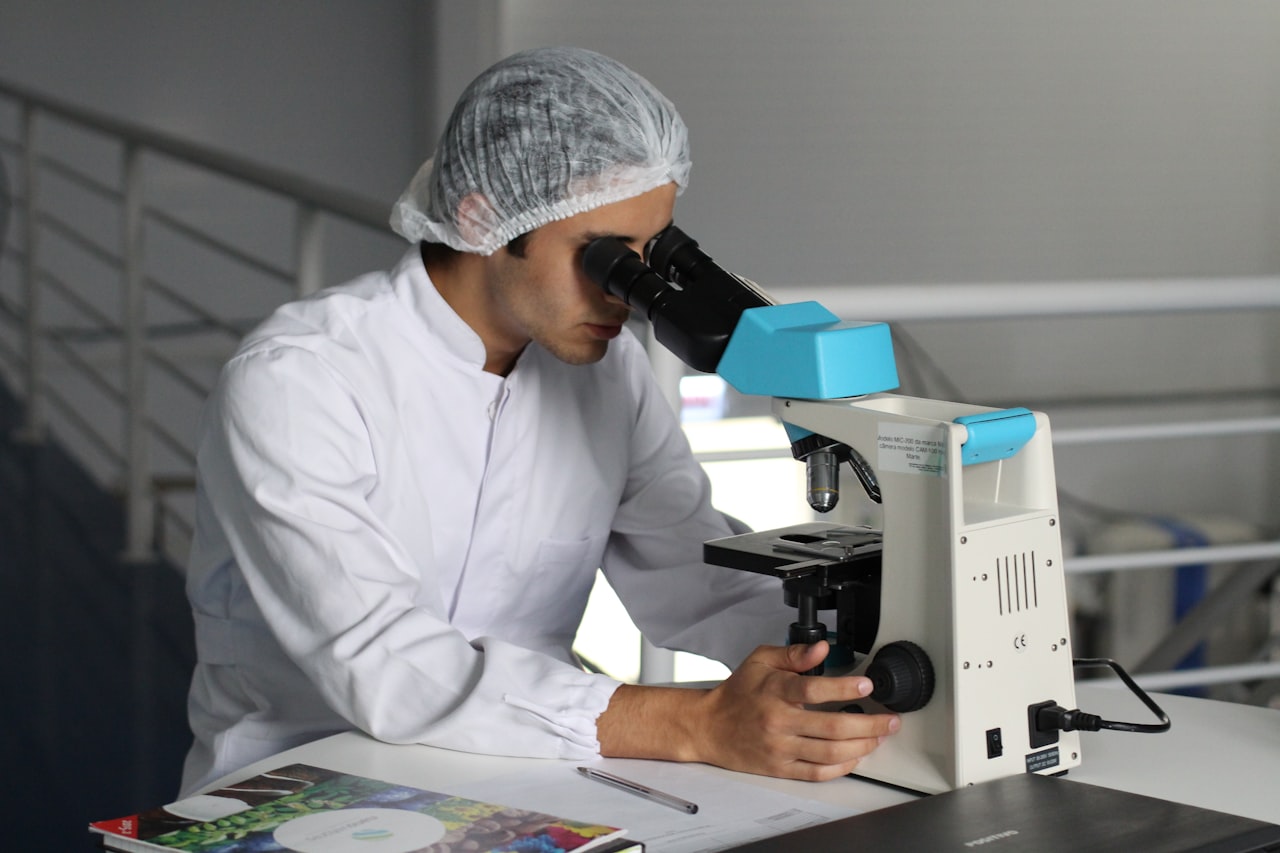
▮ Frequently asked questions
Why can't cats be vegetarian?
Cats are obligate carnivores that cannot make enough taurine, an essential amino acid they lose constantly through bile and that plants effectively lack. Without dietary taurine from animal tissue a cat slowly develops fatal heart disease. Cats also need preformed vitamin A and arachidonic acid, both animal-sourced.
What happens if a cat doesn't get enough taurine?
Taurine deficiency causes feline dilated cardiomyopathy, a fatal heart condition. A landmark 1987 study proved the link and showed that supplementing taurine could reverse it. Since the late 1980s, pet food makers add taurine to all cat diets, and deficiency-driven feline heart failure has all but vanished.
Why do cats need animal protein?
A cat's biochemistry assumes a meat diet: it cannot make enough taurine, cannot convert plant beta-carotene into vitamin A, and needs animal-sourced arachidonic acid. Each is a door that only animal tissue opens. Ten thousand years of domestication never rewired feline physiology away from meat.
Related from the desk
SOURCES