Key Takeaways
- ▸A palatant is a flavour system built from real animal protein and sprayed on kibble.
- ▸Extruded kibble comes out essentially flavourless; the palatant is applied last.
- ▸Enzymatic hydrolysis cuts proteins into savoury peptides and free amino acids.
- ▸The Maillard reaction builds roasted, cooked-meat aromas, like a seared steak.
- ▸A handful of specialist houses supply much of the world's palatants.
CURIOSITY FRIDAY
Extruded kibble comes out of the machine essentially flavourless. What makes a dog inhale it and a cat come back for more is sprayed on at the very end — a quiet science called palatants.
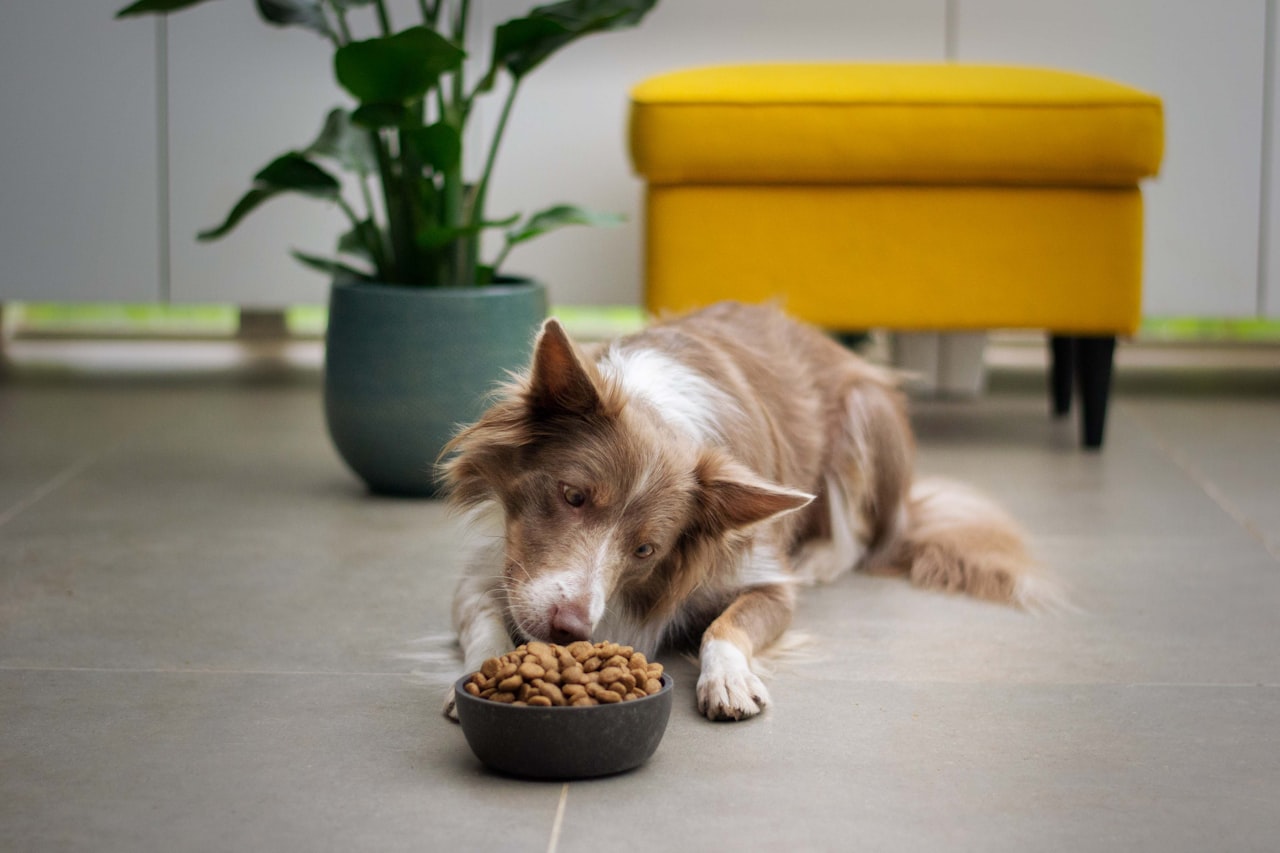
A palatant is a flavour system built from real animal protein and applied as a coating. Pets are the ultimate blind taste-testers — they cannot be persuaded by packaging — so palatant houses run formal animal-preference panels and reverse-engineer what a cat or dog actually chooses. The chemistry underneath is surprisingly close to what makes human food delicious.
▮ How a flavour gets made
The dose is tiny and the cost per bag is small, but no premium recipe ships without it — and a poor palatant can sink an otherwise excellent food. That combination of low cost and high necessity is what gives the category its leverage.
A small industry, big leverage
A handful of specialist houses supply much of the world's palatants. Control the flavour layer — the one thing standing between a good recipe and a rejected bowl — and you hold quiet pricing power over the whole shelf above you.
The owner reads the front of the bag. The pet only ever tastes the last thing sprayed on.
The 4DW Angle
Palatants begin where our book lives: with real poultry protein and viscera. The flavour industry's appetite for consistent, high-quality animal raw material is one more reason documented origin keeps gaining value all the way up the chain.
▮ Frequently asked questions
How are pet food palatants made?
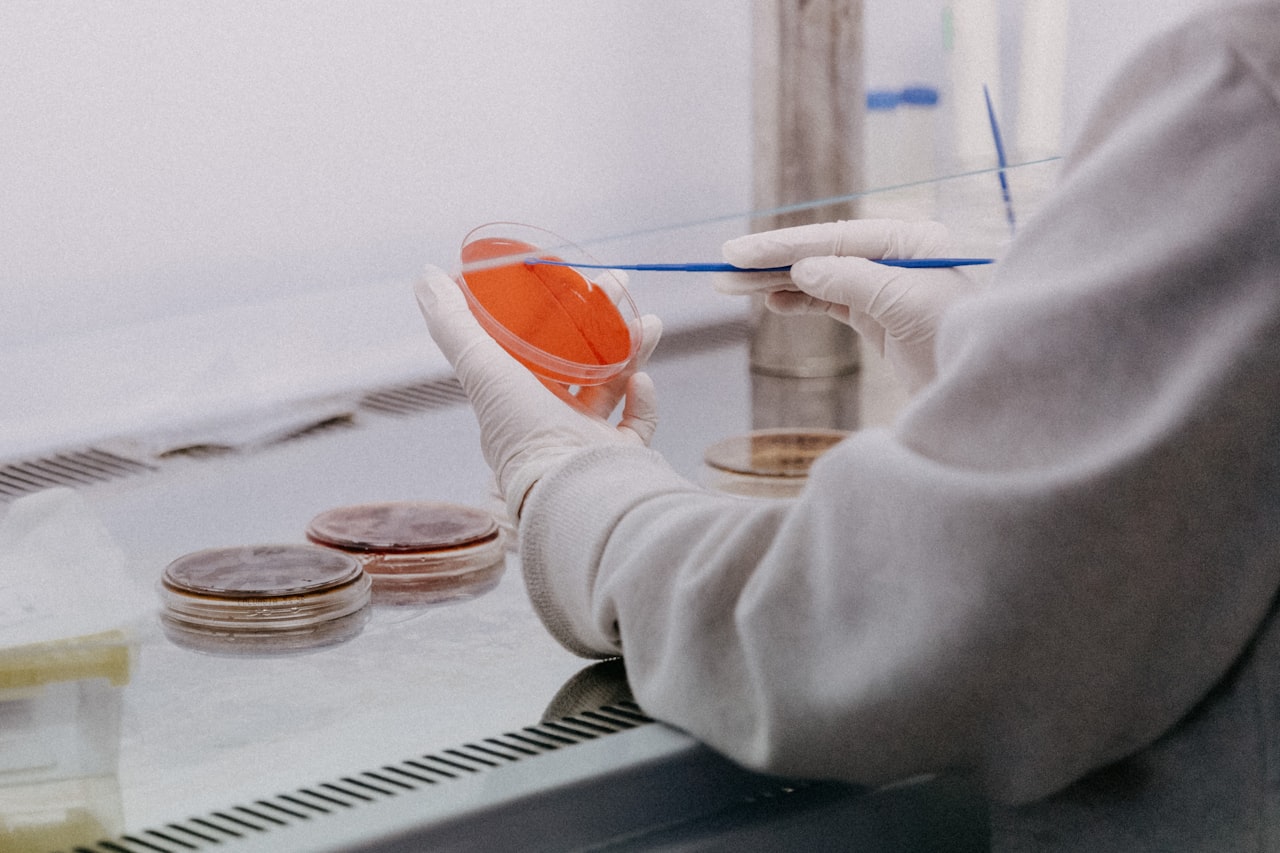
Palatants start with real animal protein - poultry, liver and viscera. Enzymatic hydrolysis cuts the proteins into small peptides and free amino acids, then the Maillard reaction uses controlled heat to build roasted, cooked-meat aromas. The base is standardised into a liquid or dry palatant and sprayed onto kibble after extrusion.
What is a palatant in pet food?
A palatant is a flavour system built from real animal protein and applied as a coating on kibble. Extruded kibble comes out essentially flavourless, so the palatant sprayed on at the end is what makes a dog inhale its food. The chemistry is close to what makes human food delicious.
Why does the palatant industry have pricing power?
The dose is tiny and the cost per bag is small, but no premium recipe ships without a palatant, and a poor one can sink an otherwise excellent food. That combination of low cost and high necessity, plus a market held by a handful of specialist houses, gives the category quiet leverage.
Related from the desk
SOURCES