
Key Takeaways
- ▸The US cattle herd hit 86.2 million head, the smallest since 1951
- ▸Live cattle topped $250/cwt in April, a record high
- ▸The US Beef Demand Index hit a record 138 despite record prices
- ▸Drought, high feed costs and aging ranchers shrank the herd
MARKET PULSE · Nº 4
On January 1, 2026, the United States counted 86.2 million head of cattle — the smallest national herd since 1951. Seventy-five years of growth, quietly unwound.
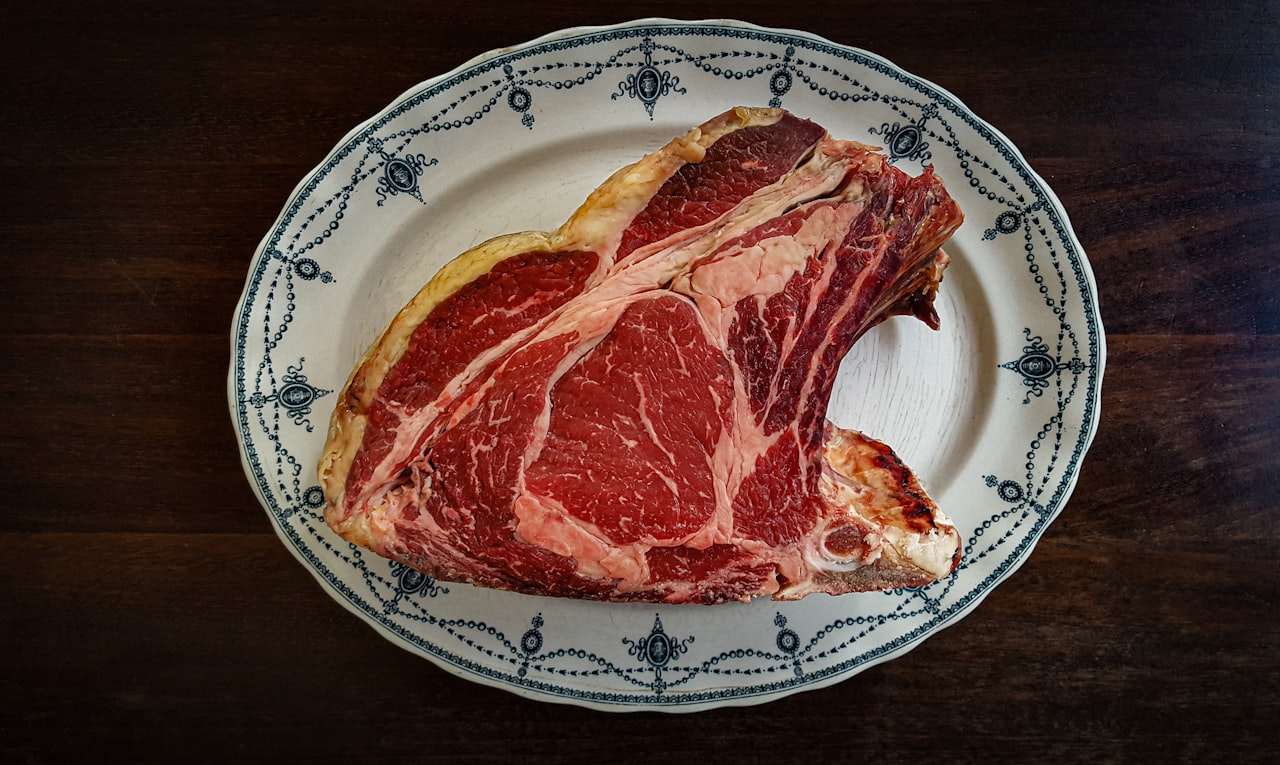
Here is the part that breaks the usual economics. With supply this tight, live cattle punched through $250 per hundredweight in April — an all-time record — and yet the US Beef Demand Index hit 138, also a record. Sky-high prices were supposed to destroy demand. Instead, American consumers kept reaching for beef anyway.
▮ Why the herd shrank

Years of drought scorched grazing land and pushed up feed costs; ranchers, squeezed and aging, sent cows to slaughter rather than keep them for breeding. Rebuilding is not a switch you flip — a rancher who decides today to expand needs a couple of years just to raise replacement heifers and get calves to market. The cattle cycle turns slowly, and this trough is deep.
Why this matters beyond the steak
Tight cattle supply lifts the price of everything attached to a steer — the trimmings, the offal, the fats and the rendered meals that feed pet food and biofuel markets. When the herd shrinks, the ripple reaches bowls and fuel tanks, not just dinner plates.
The world's biggest beef seller is turning into a beef buyer — and its shoppers haven't blinked. That resets the floor under prices everywhere.
The 4DW Angle
We treat the US herd as a barometer even for business that never touches America: when the world's largest market bids for protein, it lifts the reference price for trimmings and by-products globally. A diversified book captures that lift; a single-market book just watches it go by.
▮ Frequently asked questions
How small is the US cattle herd?
The US cattle herd stood at 86.2 million head on January 1, 2026 — the smallest since 1951, quietly unwinding 75 years of growth. Years of drought, high feed costs and aging ranchers sending cows to slaughter rather than breeding drove the decline, and rebuilding it will take years.
Why haven't record beef prices reduced demand?
They haven't. Live cattle topped $250 per hundredweight in April while the US Beef Demand Index hit a record 138. Sky-high prices were supposed to destroy demand, but American consumers kept reaching for beef anyway — the contradiction that has come to define the whole 2026 market.
Why did the US cattle herd shrink?
Years of drought scorched grazing land and pushed up feed costs, so squeezed, aging ranchers sent cows to slaughter rather than keep them for breeding. Rebuilding is slow: a rancher who decides today to expand needs a couple of years just to raise replacement heifers and get calves to market.
Related from the desk
SOURCES