
Key Takeaways
- ▸A Cycle-2 beneficiador is the certified, SIF-listed plant anchoring the paperwork.
- ▸The plant sources conforming raw material from qualified, documented suppliers.
- ▸A DCPOA documents that each input meets required origin and health conditions.
- ▸Everything converges on one certified plant that issues export documentation.
- ▸The model multiplies volume without diluting accountability; it is not a loophole.
INSIDE THE INDUSTRY
One of the least understood advantages in Brazilian protein is also one of the most practical: a Cycle-2 processing plant can legally widen its raw-material base far beyond its own intake — with the right paperwork holding it all together.
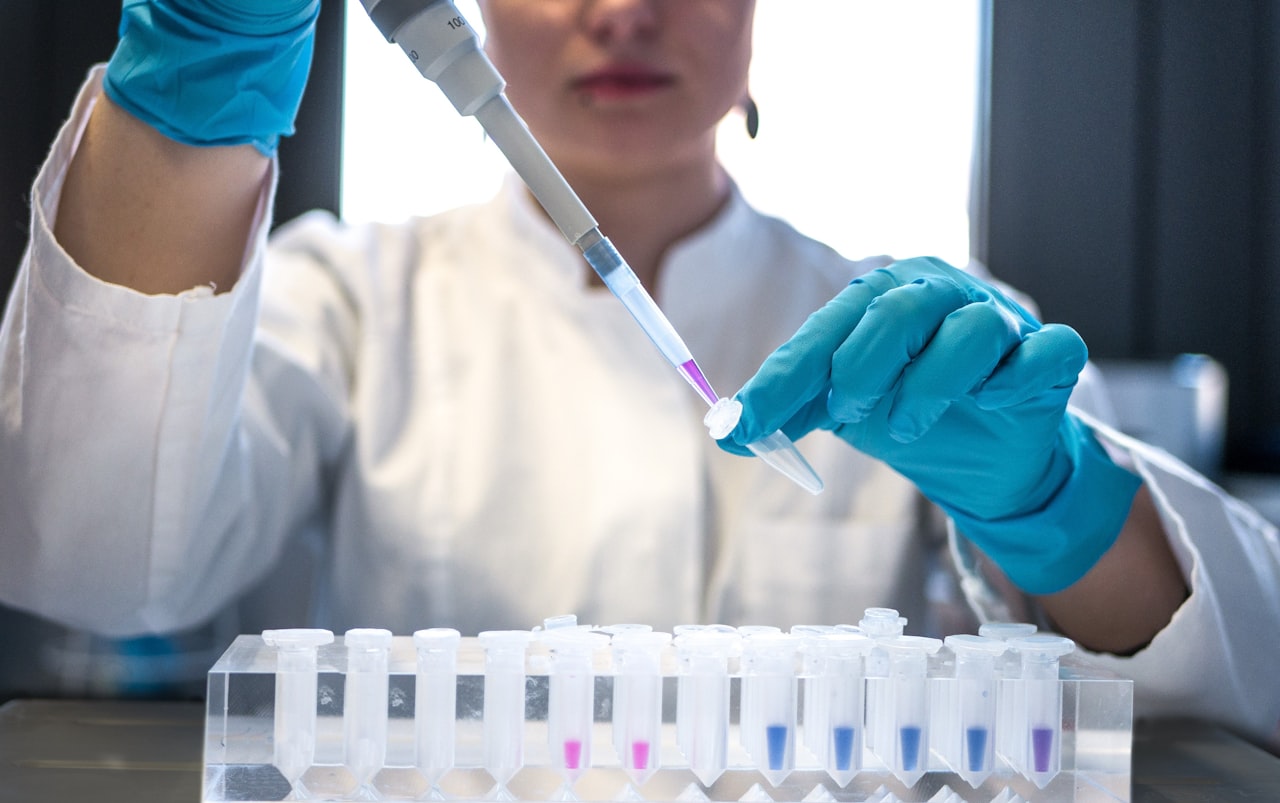
The constraint is obvious. A single certified plant only slaughters or intakes so much on its own. In a tight cattle cycle, that limits how much a supplier can offer. The Cycle-2 model exists precisely to lift that ceiling without cutting a single corner on origin.
▮ How the backstop works
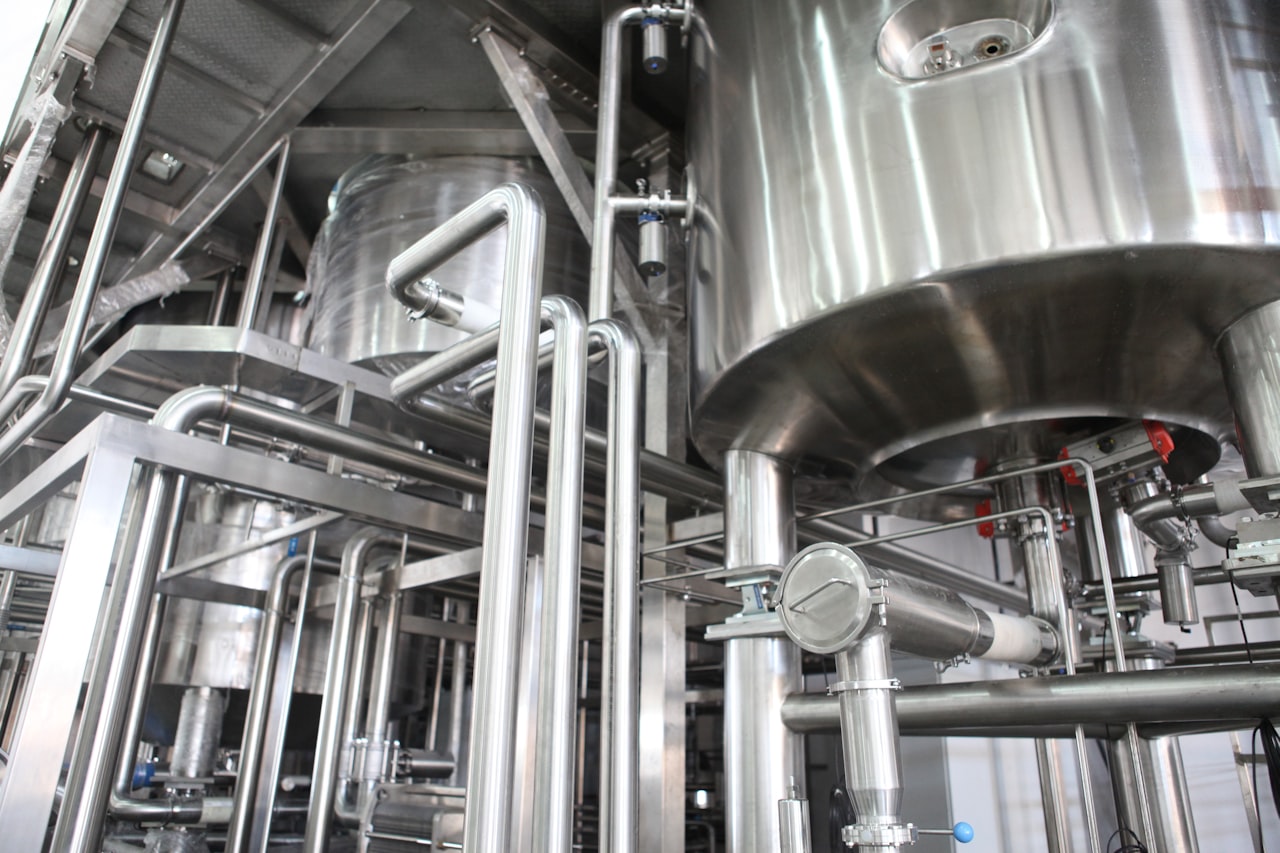
The key point for a buyer is that this is not a loophole. The certified plant remains fully responsible; the DCPOA makes the wider supplier base traceable and auditable rather than opaque. It multiplies volume without diluting accountability.
Why importers should care
A supplier who can legally widen its raw-material base is a supplier who can hold volume and price through a tight cattle cycle. The DCPOA is the origin paper trail that keeps that wider base fully auditable — resilience you can verify.
The 4DW Angle
Nutre Meat operates on exactly this logic: the certified plant as anchor, a documented supplier network around it, DCPOA discipline holding the origin chain intact. For a buyer, that is the difference between a source that runs dry and one that keeps delivering.
▮ Frequently asked questions
What is a Cycle-2 beneficiador?
A Cycle-2 beneficiador is a certified, SIF-listed processing plant that acts as the anchor on export paperwork. Rather than relying only on its own intake, it buys conforming raw material from qualified, documented suppliers, then processes and ships everything under federal inspection through one accountable exit door that issues the export documentation.
What does a DCPOA do in Brazilian meat sourcing?
A DCPOA, a conformity declaration of animal origin, documents that each input a Cycle-2 plant buys meets the required origin and health conditions. It makes a wider supplier base traceable and auditable rather than opaque, letting the certified plant multiply volume without diluting accountability. It is not a loophole but a documented backstop.
Why should importers care about the Cycle-2 model?
A supplier that can legally widen its raw-material base can hold volume and price through a tight cattle cycle. The DCPOA is the origin paper trail that keeps that wider base fully auditable, while the certified plant stays responsible. For buyers, that is the difference between a source that runs dry and one that keeps delivering.
Related from the desk
SOURCES