Key Takeaways
- ▸The pet food ingredients market is projected to approach US$64.5 billion by 2036.
- ▸Pet humanization pushes owners toward higher-quality, human-grade protein ingredients.
- ▸Named proteins like real chicken or beef signal quality and command premium prices.
- ▸Traceability from farm to bowl is becoming a baseline expectation for premium brands.
- ▸Reliable, certified protein suppliers are strategic partners in the premium pet food race.
4DW DESK · MARKET NOTE
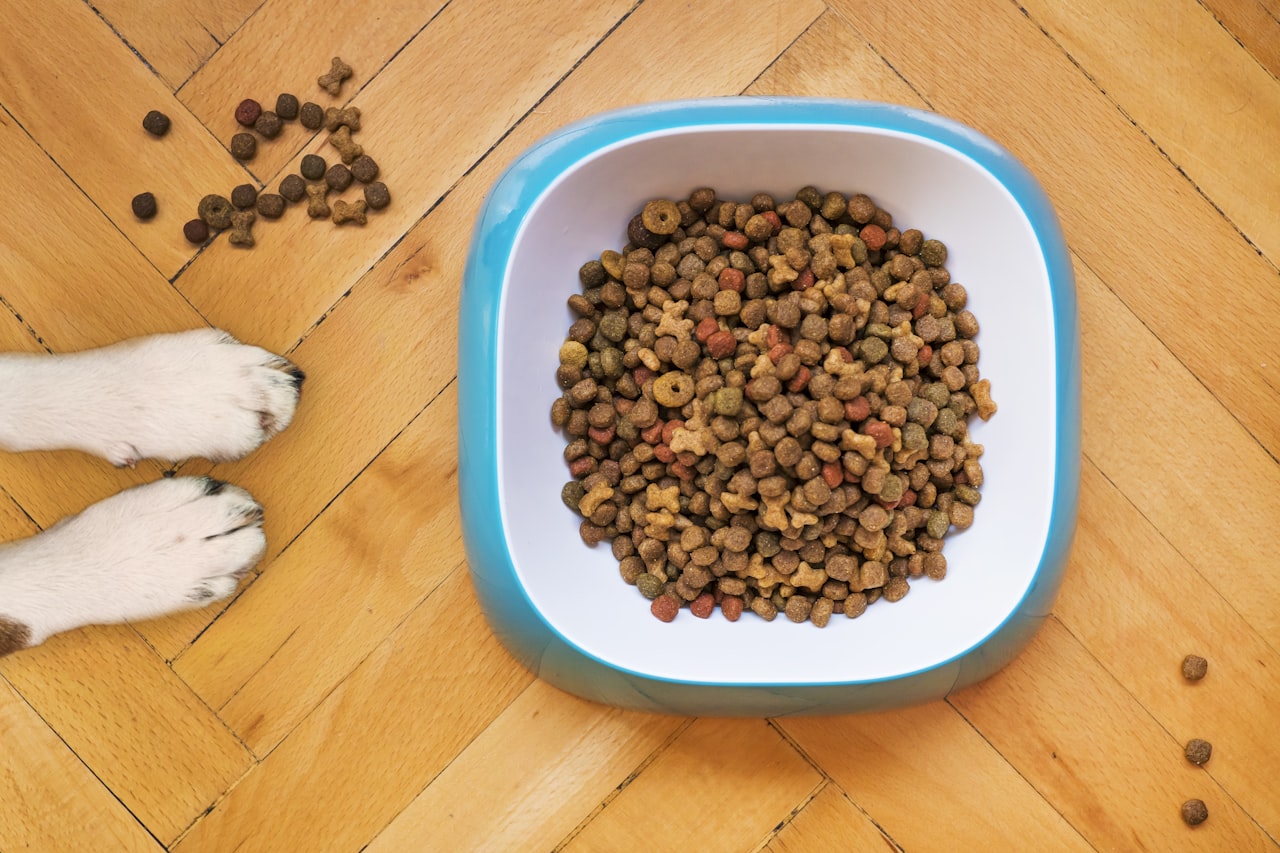
Somewhere between "pet" and "family member", an industry was born — and it eats very, very well.
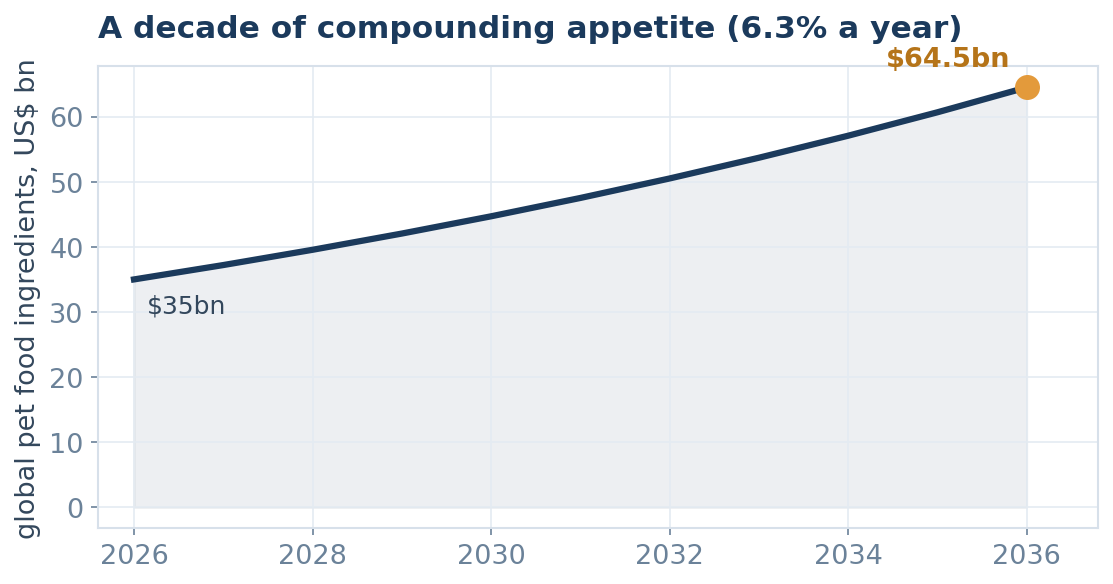
The global pet food ingredients market is projected to reach US$ 64.5 billion by 2036, growing 6.3% a year. The driver has a name: humanization. Owners read labels now. They want named proteins, functional ingredients, traceable origins — the same demands human food went through a generation ago, replayed at pet-food speed.
What the buyers are actually asking for
Talk to procurement desks in Europe and three specs keep coming up: high-protein meals with consistent digestibility, foreign-body control you can audit, and documentation that survives a recall drill. Premiumization isn't about exotic ingredients — it's about boring, verifiable discipline done monthly, at scale.
The premium in premium pet food is not the raw material. It is the paperwork wrapped around it.
That is good news for South American origin: the region has the protein base, and the plants that invested in European-grade traceability are already collecting the margin.

THE 4DW ANGLE
Pet food is where our group started: our own plant specializes in pet-food and pharma-grade raw materials for the European market, with foreign-body control as a house discipline. Ask us about yearly programs — spec-consistent, delivered at your door.

▮ Frequently asked questions
How big is the pet food ingredients market?
The global pet food ingredients market is large and growing, with projections suggesting it could approach US$64.5 billion by 2036. Growth is driven by rising pet ownership, premiumization, and the humanization trend, as owners increasingly seek high-quality, protein-rich ingredients comparable to the food they eat themselves.
What is pet humanization and why does it matter?
Pet humanization is the trend of treating pets as family members and feeding them accordingly. It matters because it shifts demand toward premium, human-grade ingredients, named single-source proteins, and clean labels. This drives pet food makers to source higher-quality, traceable animal proteins, reshaping ingredient supply chains and boosting market value.
Why do named proteins and traceability matter in premium pet food?
Named proteins, such as real chicken or beef rather than generic meat, signal transparency and quality that premium buyers demand. Traceability lets brands prove where ingredients come from, supporting safety and marketing claims. Together they justify premium pricing and make certified, reliable protein suppliers strategically valuable to pet food manufacturers.
Related from the desk
SOURCES