
Key Takeaways
- ▸MDM is a finely textured protein paste recovered from poultry backs and necks.
- ▸High pressure forces the meat-and-bone mix through a fine screen, leaving bone behind.
- ▸Processors blend MDM into sausages, nuggets, luncheon meats and ready meals.
- ▸The Philippines imported 170,053 tonnes of MDM in H1 2026.
- ▸MDM made up about 58% of all Philippine chicken imports in H1 2026.
INGREDIENT SPOTLIGHT · Nº 5
Most people have eaten it this week without ever seeing it on a label. Mechanically deboned meat — MDM — is the quiet engine of affordable protein, and much of the world runs on it.
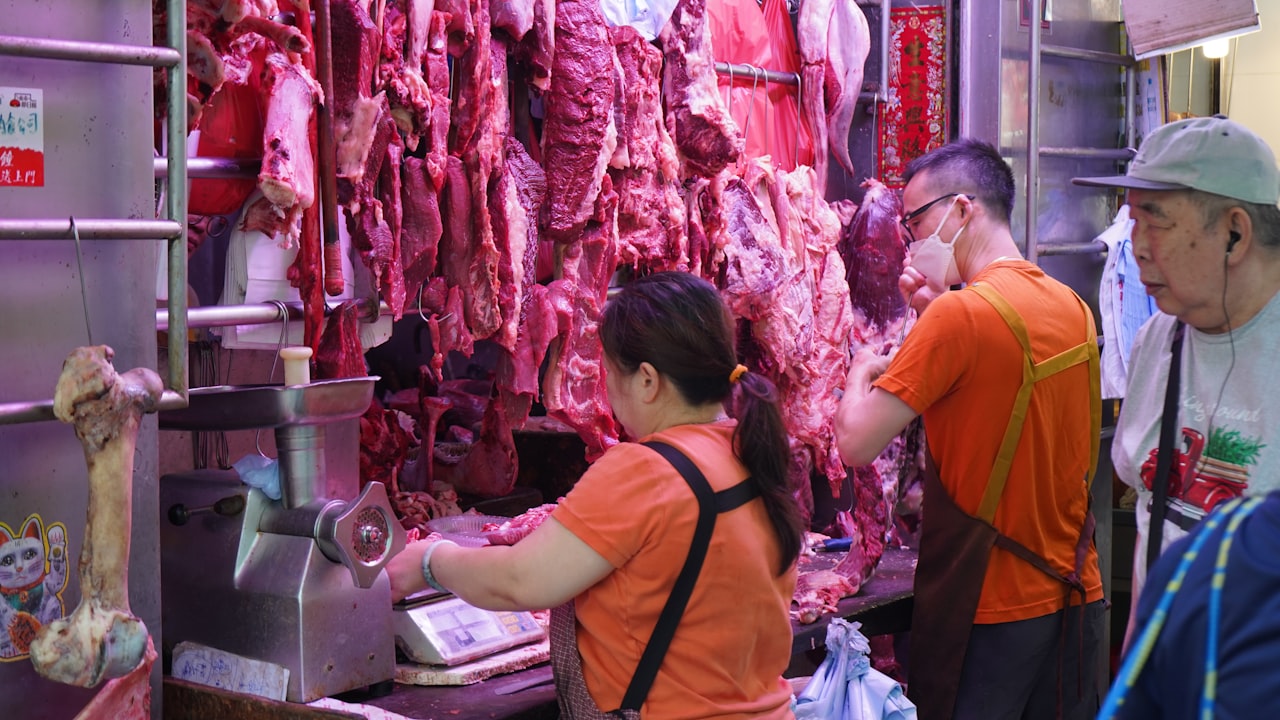
After the prime cuts come off a carcass, plenty of good meat still clings to the frame. MDM is how that meat is recovered: a soft, finely textured protein paste, most commonly made from chicken backs and necks. It is not a lesser meat so much as a fully used one.
▮ How it's made
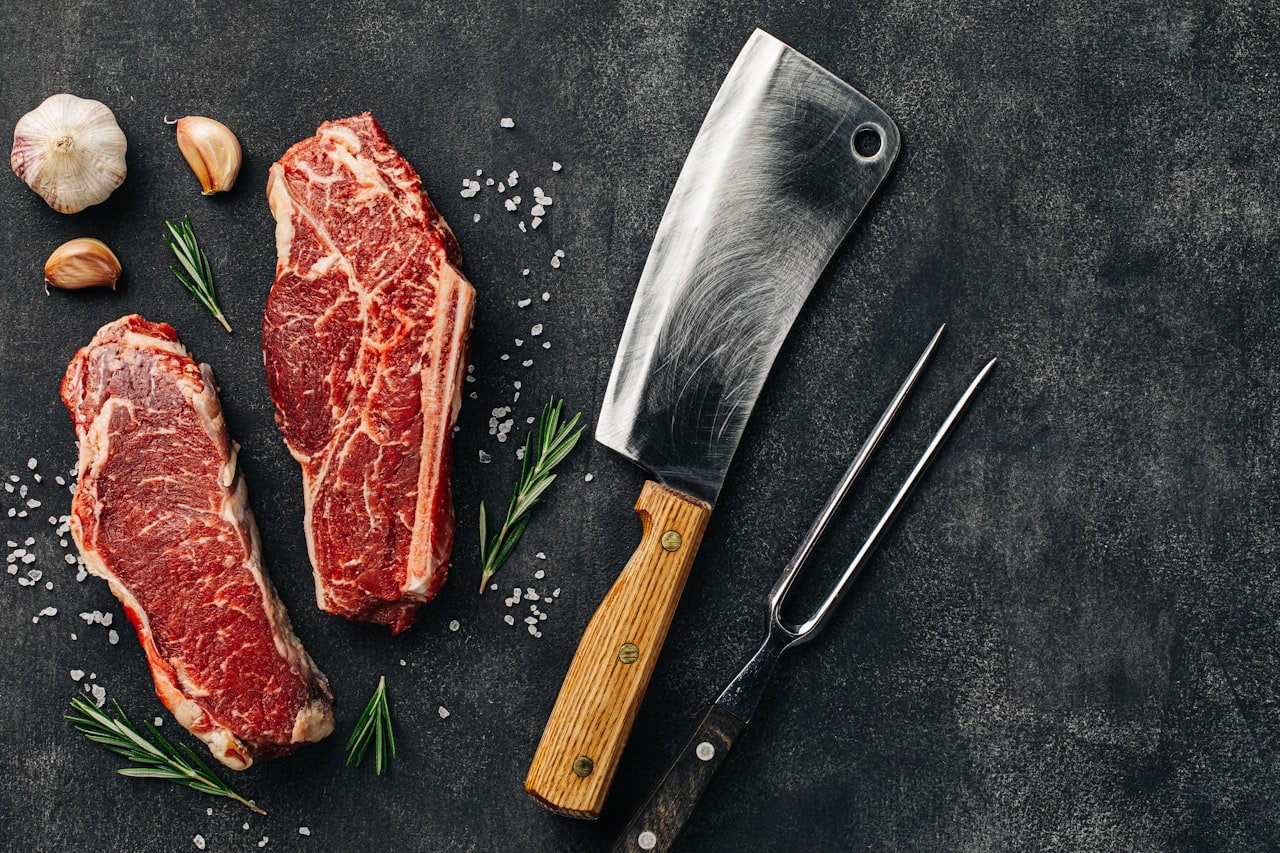
Its value is economic democracy: MDM lets a factory hit a protein and price point that whole-muscle meat simply cannot reach. For fast-growing, price-sensitive markets, that is the difference between meat on the table and no meat at all.
The Philippines, by the number
In the first half of 2026 the Philippines imported 170,053 tonnes of MDM — about 58% of all its chicken imports. When a country buys affordable protein at scale, it very often buys it as MDM.
MDM is not a lesser meat. It is the reason protein is affordable at all.
The 4DW Angle
MDM sits where our world lives: the by-product stream that turns a whole animal into full value. It is a volume game built on consistency and cold chain — exactly the disciplines a trading desk is built to manage.
▮ Frequently asked questions
What is mechanically deboned meat (MDM)?
Mechanically deboned meat (MDM) is a soft, finely textured protein paste recovered from poultry carcass frames, most commonly chicken backs and necks. High pressure pushes the meat-and-bone mix through a fine screen; bone stays behind and a smooth paste comes through, later blended by processors into sausages, nuggets and ready meals.
How is mechanically deboned meat made?
After the prime cuts are removed, meat still clings to backs, necks and carcass frames. High pressure forces this mix through a fine sieve, separating bone from a smooth protein paste. The paste is then chilled or frozen into blocks for refrigerated shipping and folded into emulsified foods by processors worldwide.
Why is MDM so important for the Philippines?
MDM lets factories hit a protein and price point that whole-muscle meat cannot reach, making it vital for price-sensitive markets. In the first half of 2026 the Philippines imported 170,053 tonnes of MDM, about 58% of all its chicken imports, showing how heavily affordable protein at scale relies on it.
Related from the desk
SOURCES