Key Takeaways
- ▸Extrusion forces a grain, protein and water dough through a heated pressurised barrel.
- ▸The pressure drop at the die makes kibble expand, cook and shape in one pass.
- ▸Extrusion cooks and gelatinizes starch, kills pathogens and forms the pellet.
- ▸The cereal-puffing idea was turned on pet food in the 1950s.
- ▸A finishing spray of fat and palatant delivers browned Maillard aromas pets crave.
CURIOSITY FRIDAY
The little brown pellet in your dog's bowl has a surprisingly explosive ancestry. Modern kibble owes its existence to the same technology that once puffed breakfast cereal out of a cannon.
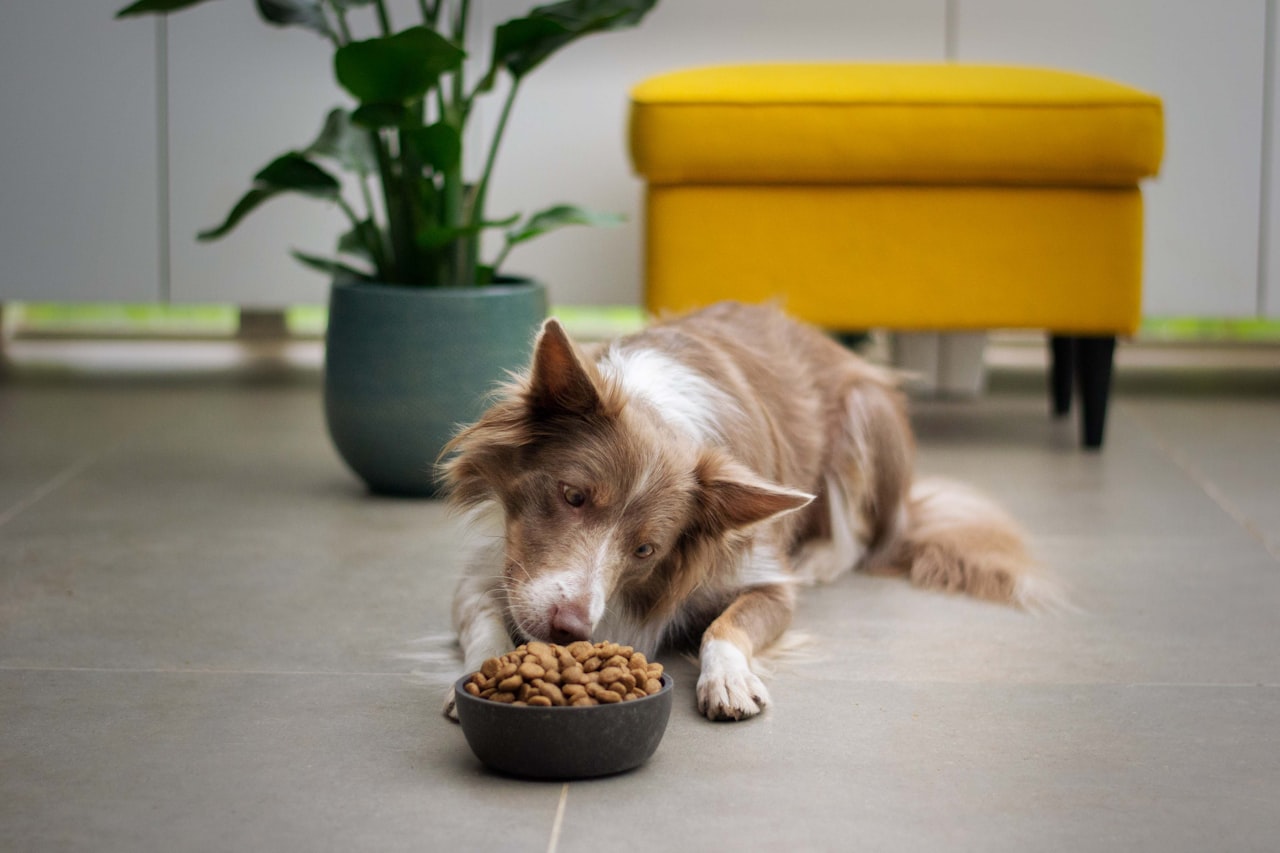
Extrusion is the trick. A dough of ground grains, protein and water is forced through a heated barrel under pressure, then pushed out through a shaped die. As it hits normal air, the sudden pressure drop makes it expand — cooked, shaped and puffed in a single continuous pass.
Extrusion changed everything because it did four jobs at once: it cooked and gelatinized the starch, killed pathogens, shaped the pellet, and set it up for a finishing spray of fat and palatant. Cheap, safe, storable and tasty — the recipe for an entire industry.
Why extrusion won
In one pass the extruder cooks, sterilizes, gelatinizes starch and forms the kibble; a coating of fat and palatant finishes it. Cheap, shelf-stable, and tuned to deliver the browned Maillard aromas pets are drawn to.
The technology that puffed the breakfast aisle quietly went on to build a hundred-billion-dollar bowl.
The 4DW Angle
The machine is downstream of us — but what goes into it is our business. Every extruder needs a reliable feed of animal protein and fat, and the quality of that raw material sets the ceiling on everything the technology can do.
▮ Frequently asked questions
How is dry pet food made by extrusion?
A dough of ground grains, protein and water is forced through a heated barrel under pressure, then pushed out through a shaped die. As it hits normal air, the sudden pressure drop makes it expand, so it is cooked, shaped and puffed in one continuous pass, then coated with fat and palatant.
When did extrusion start being used for pet food?
Puffing guns and early extruders created expanded breakfast cereals in the 1930s and 40s. In the 1950s the same extrusion idea was turned on pet food, producing the first genuinely modern dry kibble. By the 1960s extruded kibble had gone mainstream, shelf-stable, easy to ship and cheap to produce at scale.
Why did extrusion transform the pet food industry?
Extrusion does four jobs in a single pass: it cooks and gelatinizes the starch, kills pathogens, shapes the pellet, and sets it up for a finishing spray of fat and palatant. Cheap, safe, shelf-stable and tuned to deliver the browned Maillard aromas pets are drawn to, it built an entire industry.
Related from the desk
SOURCES