
Key Takeaways
- ▸The UAE was a top-3 buyer of Brazilian chicken in June 2026 (~46,200 t)
- ▸Halal runs from slaughter method through segregation to storage
- ▸Certification must be recognized by the destination authority, not just issued
- ▸Gulf demand spikes seasonally around Ramadan and Eid
REGION FOCUS · MIDDLE EAST
The Middle East is one of the most reliable homes for exported protein on earth — and access to it turns on a single, non-negotiable word: halal.
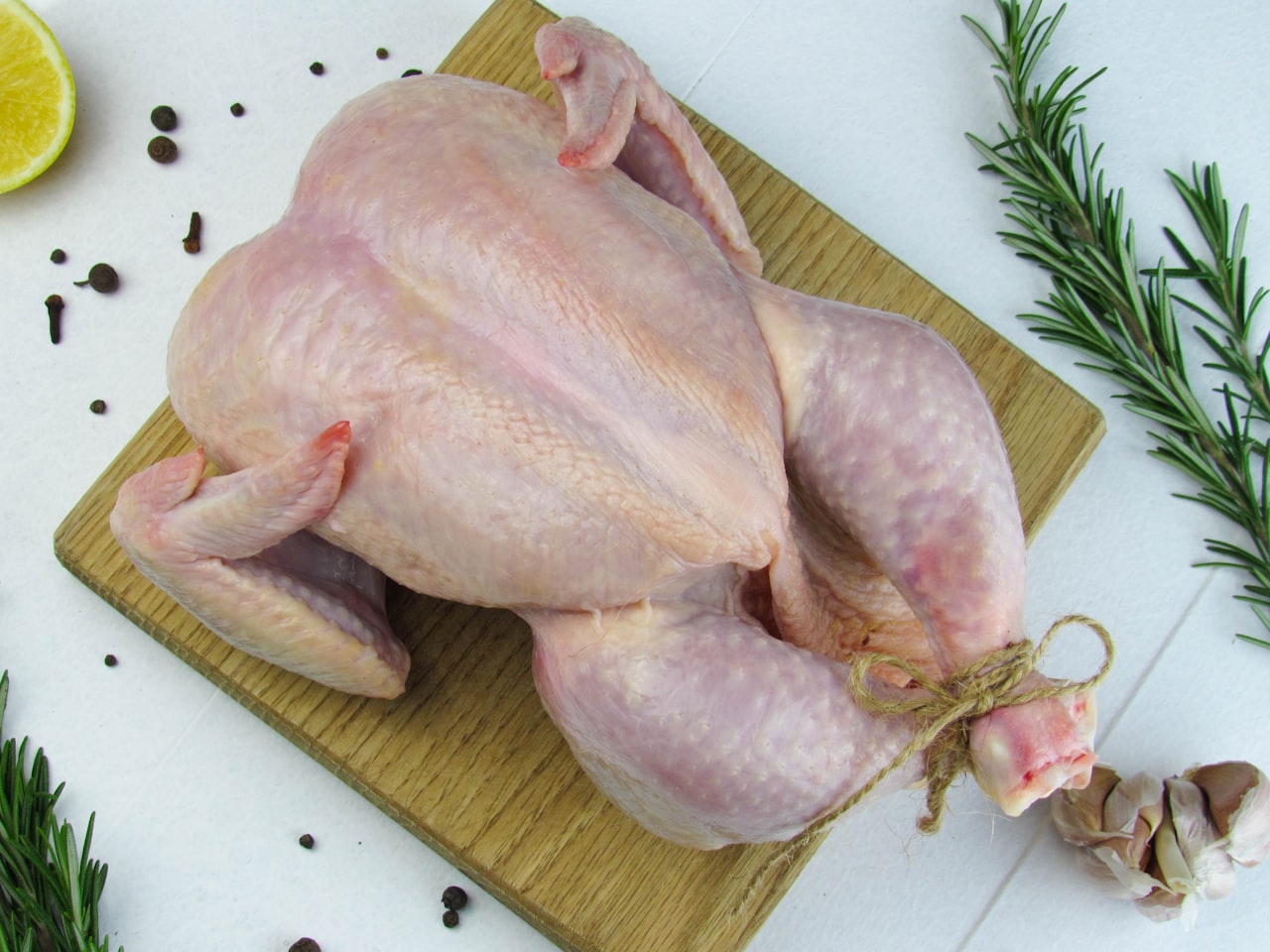
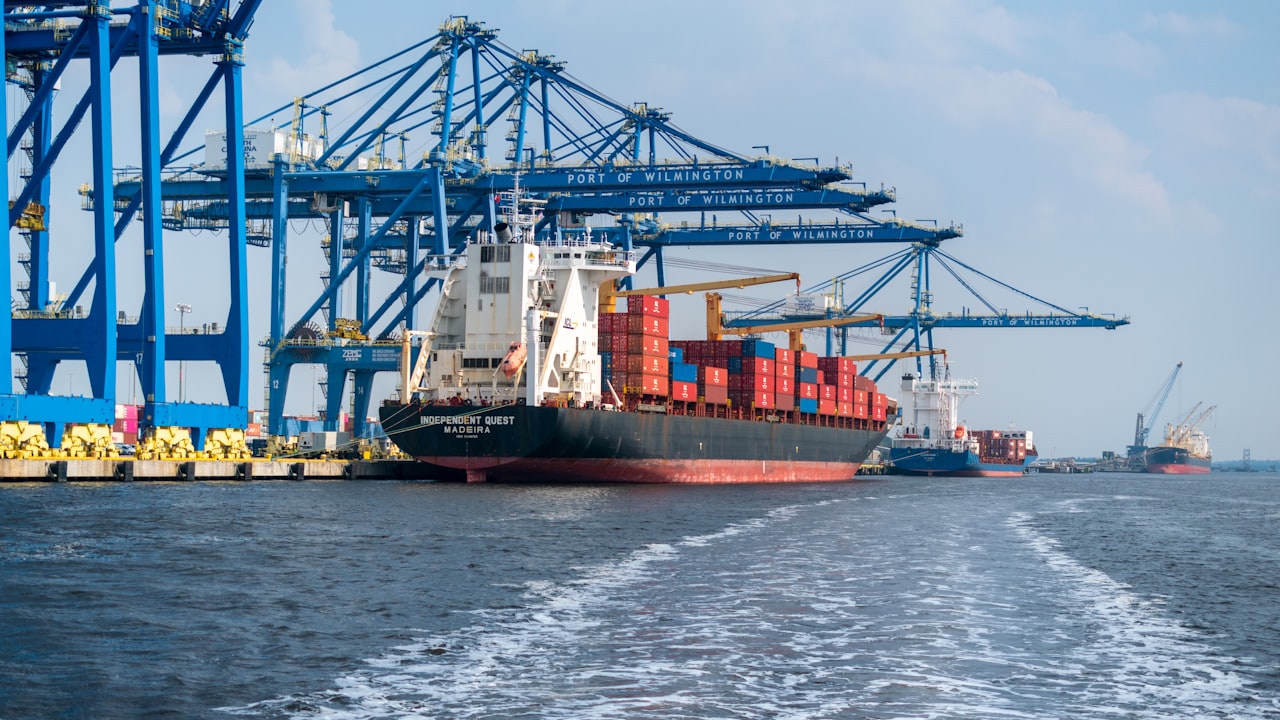
The scale is real. In June 2026 the United Arab Emirates was a top-three buyer of Brazilian chicken, taking around 46,200 tonnes in the month. Across the Gulf, growing populations, high import reliance and a strong preference for both poultry and variety meats make the region a structural customer — but only for suppliers who get the certification right.
▮ What halal actually requires
Time your cargo to the calendar
Gulf demand is seasonal in a way few markets are: consumption swings sharply around Ramadan and the Eid holidays, when both retail and food-service protein demand spike. Programs that plan around the Islamic calendar, not just the Gregorian one, avoid being caught short.
The 4DW Angle
Halal is not a label you add at the end — it is a discipline that has to run from the slaughter line to the seal on the container. Producing under recognized halal certification and delivering DDP into the Gulf is exactly the kind of end-to-end control a trading desk exists to guarantee.
▮ Frequently asked questions
What does halal certification require for meat?
Halal requires compliant slaughter — a healthy, live animal dispatched by a Muslim slaughterman with the ritual invocation and fully bled out — plus certification recognized by the destination authority, strict segregation from non-halal product, and a halal certificate that travels alongside the veterinary health certificate.
How much Brazilian chicken does the UAE buy?
In June 2026 the United Arab Emirates was a top-three buyer of Brazilian chicken, taking around 46,200 tonnes in the month. Across the Gulf, growing populations, high import reliance and strong demand for poultry and variety meats make the region a structural customer for suppliers who get certification right.
When is Gulf demand for protein highest?
Gulf protein demand spikes seasonally around Ramadan and the Eid holidays, when both retail and food-service consumption surge. Programs that plan around the Islamic calendar, not just the Gregorian one, avoid being caught short. Reefer cargo typically routes through hubs like Jebel Ali, with DDP delivery highly prized.
Related from the desk
SOURCES