
Key Takeaways
- ▸Glucosamine is an amino sugar the body uses to build and maintain cartilage.
- ▸The classic source is shellfish shells, which carry a shellfish-allergen flag.
- ▸Bovine cartilage and connective tissue offer a non-shellfish sourcing route.
- ▸Fermentation yields an allergen-free, plant-friendly glucosamine option.
- ▸Glucosamine is usually paired with chondroitin, riding aging pet and human demand.
INGREDIENT SPOTLIGHT · Nº 6
Look at the joint-support aisle — for pets or people — and one name keeps appearing: glucosamine. It is one of the most bought supplement ingredients in the world, and it comes straight from the animal by-product economy.
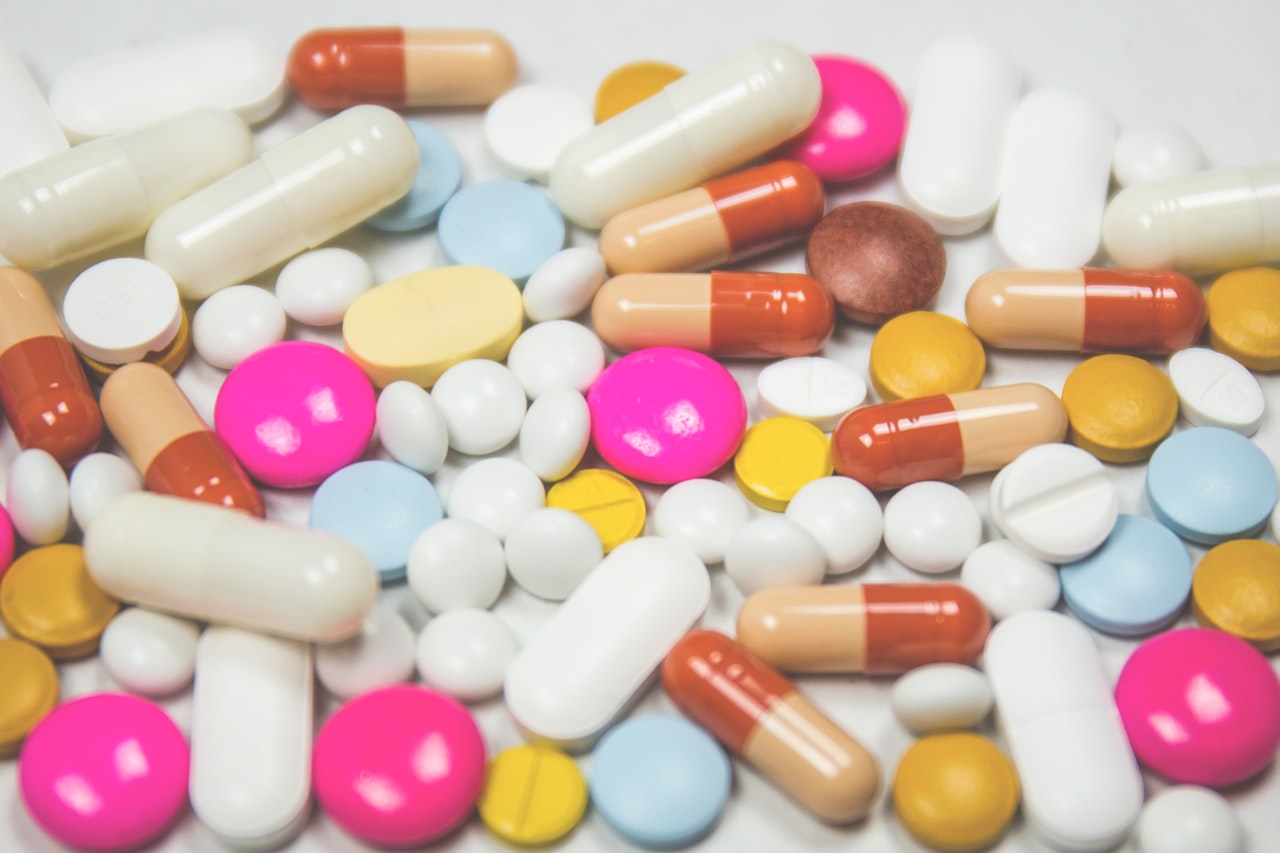
Chemically, glucosamine is an amino sugar — a building block your body uses to make and maintain cartilage. The theory behind the supplement is simple: as joints wear, give the body more raw material to work with. Demand rests on that promise, and on demographics.
▮ Where it comes from
| Source | What it is | Notes |
|---|---|---|
| Shellfish | Shells of shrimp, crab and lobster | The classic route; carries a shellfish-allergen flag on labels |
| Bovine / animal | Cartilage and connective tissue | A non-shellfish alternative that fits existing by-product streams |
| Fermentation | Microbial, grain-based production | Newer, plant-friendly and allergen-free — a growing option |
Sourcing routes vary by market, label claim and religious or dietary requirement.
The demand curve is demographic and double-sided. Populations of both pets and people are aging, and joint health is one of the first things to go. Glucosamine is usually paired with chondroitin in the same capsule — two by-product-derived molecules riding the same trend.
One molecule, two markets
The same joint-support story sells to pet owners and to people. Aging on both sides of the leash keeps demand structurally firm, and that dual market is what makes the ingredient so resilient through economic cycles.
Cartilage was once trimmed off and discarded. Joint health turned it into a shelf full of capsules.
The 4DW Angle
This is the pharma-and-rendering adjacency we watch closely: cartilage and connective tissue are by-products with a second, higher-value life in health supplements. Turning a trimming into a functional ingredient is the whole-animal logic at its most profitable.

▮ Frequently asked questions
Where does glucosamine come from?
Glucosamine is an amino sugar sourced three main ways: from the shells of shrimp, crab and lobster, the classic route that carries a shellfish-allergen flag; from bovine cartilage and connective tissue, a non-shellfish alternative; and from newer grain-based microbial fermentation, which is plant-friendly and allergen-free. The route varies by market and label claim.
What does glucosamine do for joints?
Glucosamine is an amino sugar the body uses to make and maintain cartilage. The supplement theory is simple: as joints wear, giving the body more raw material may help. It is usually paired with chondroitin in the same capsule, two by-product-derived molecules riding the same joint-health trend across pets and people.
Why is glucosamine demand so resilient?
Demand rests on demographics and is double-sided. Populations of both pets and people are aging, and joint health is one of the first things to go. The same joint-support story sells to pet owners and to people, and that dual market keeps demand structurally firm through economic cycles, making the ingredient resilient.
Related from the desk
SOURCES