
Key Takeaways
- ▸Foreign-body control layers defences rather than relying on a single check.
- ▸HACCP starts by designing out contamination: guarded blades, no glass on the floor.
- ▸Rare-earth magnets pull ferrous fragments before metal detectors flag contaminants.
- ▸X-ray catches denser risks like bone, stone, some plastics and glass.
- ▸Importers audit detection records and CCP logs before the first container ships.
INSIDE THE INDUSTRY
Everything a premium protein plant does well is invisible when it works. Nowhere is that truer than foreign-body control — the quiet, layered discipline of guaranteeing that nothing is in the box except the product.
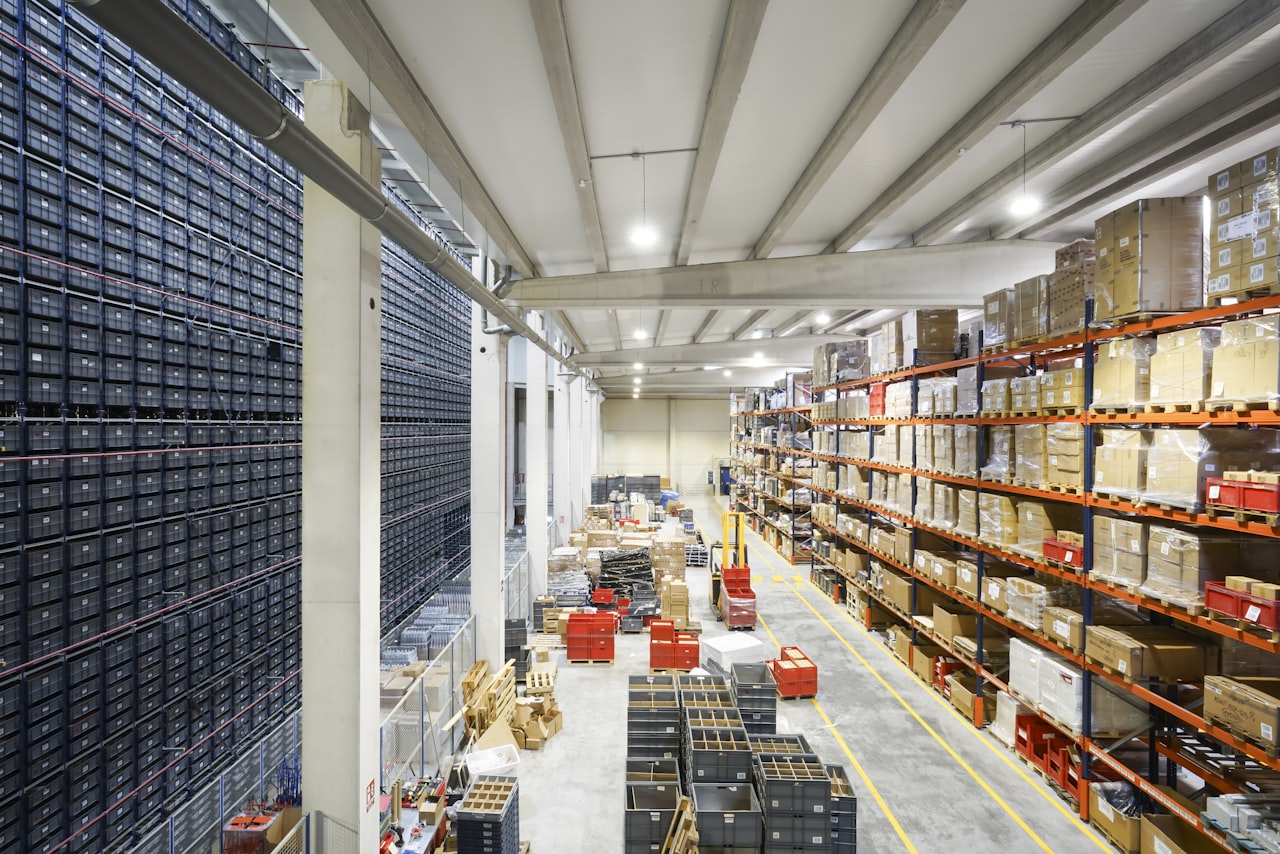
A single metal fragment or shard of bone can trigger a recall, reject a container and end a customer relationship in one phone call. So serious plants do not rely on a single check. They build a chain of defences and prove each one, shift after shift.
Why buyers care
A foreign body is the fastest way to lose a customer and trigger a recall. Serious importers audit detection records and CCP logs before the first container ships — it is a condition of doing business, not a courtesy.
The best foreign-body programme is the one whose results are boring, container after container after container.
The 4DW Angle
At Nutre Meat this is treated as a house discipline, not a box to tick. When a buyer audits it, we want the answer to be a shrug and a stack of records — because the interesting stories in this business are the ones that never happen.
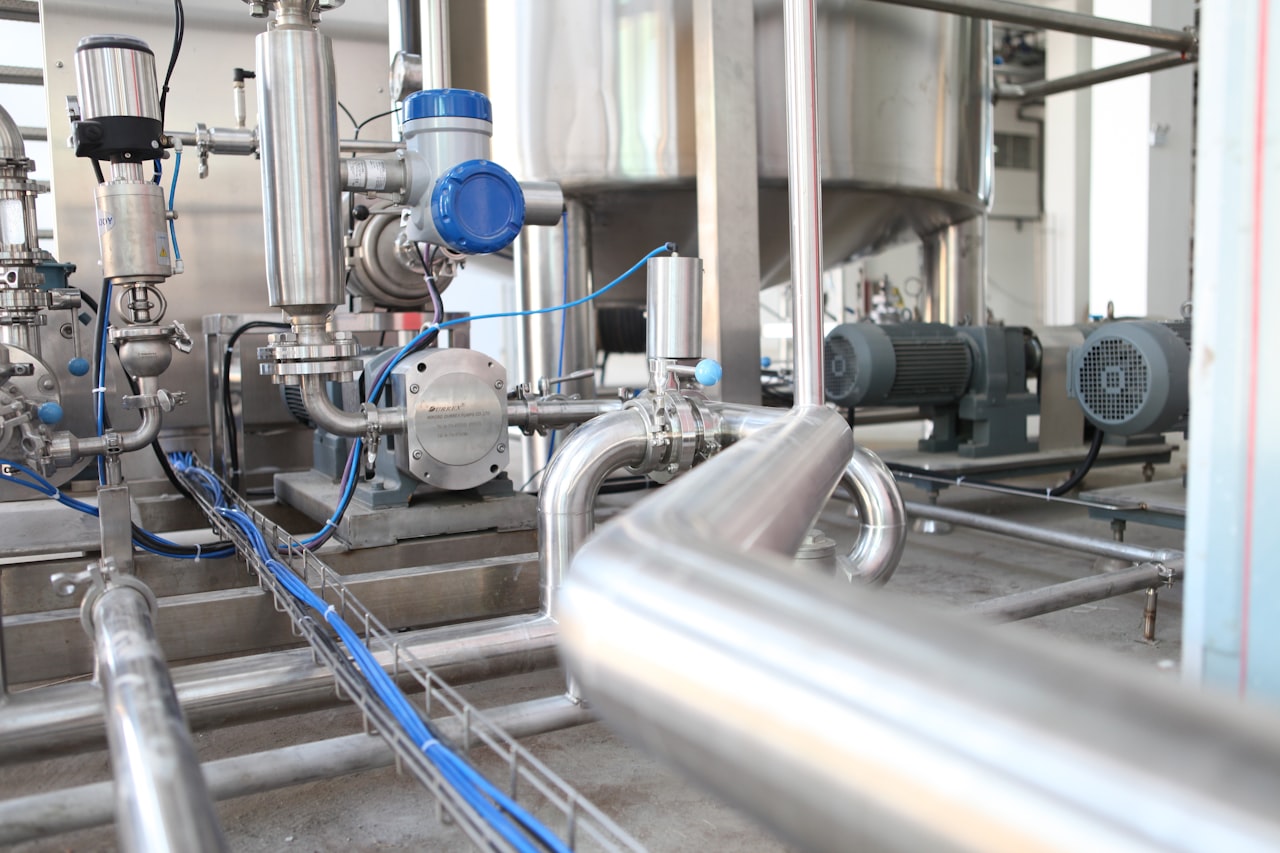
▮ Frequently asked questions
How do meat plants keep foreign bodies out of products?
Serious plants build a chain of layered defences rather than one check. HACCP first designs out contamination with guarded blades and no glass; rare-earth magnets then pull ferrous fragments, calibrated metal detectors flag contaminants, and X-ray catches denser risks like bone, stone, plastics and glass. Every critical control point is logged.
Why do buyers audit foreign-body control before purchasing?
A single metal fragment or shard of bone can trigger a recall, reject a container and end a customer relationship in one phone call. Because a foreign body is the fastest way to lose a customer, serious importers audit detection records and CCP logs before the first container ships, as a condition of business.
What is the difference between metal detection and X-ray inspection?
Calibrated metal detectors flag ferrous, non-ferrous and stainless contaminants and divert any suspect pack off the line. X-ray inspection sees denser risks a metal detector physically cannot, such as bone, stone, some plastics and glass. Serious plants run both because each layer catches what the other misses, then log every check.
Related from the desk
SOURCES