
Key Takeaways
- ▸Ancestral-diet marketing sells the wolf, but dogs are adapted omnivores.
- ▸Dogs carry extra copies of a starch-digesting gene wolves lack (Axelsson, 2013).
- ▸Domestication reshaped dogs to digest starch far better than wolves.
- ▸Ancestral-diet marketing helped drive the grain-free food boom.
- ▸In 2018 the FDA opened a probe into grain-free diets and canine DCM.
CURIOSITY FRIDAY
Walk the premium pet aisle and you'll meet the same animal on bag after bag: the wolf. Steel eyes, snowy ridgeline, a promise that this recipe honours what your dog really is. It's a beautiful story. It's also, biologically, a bit of a stretch.
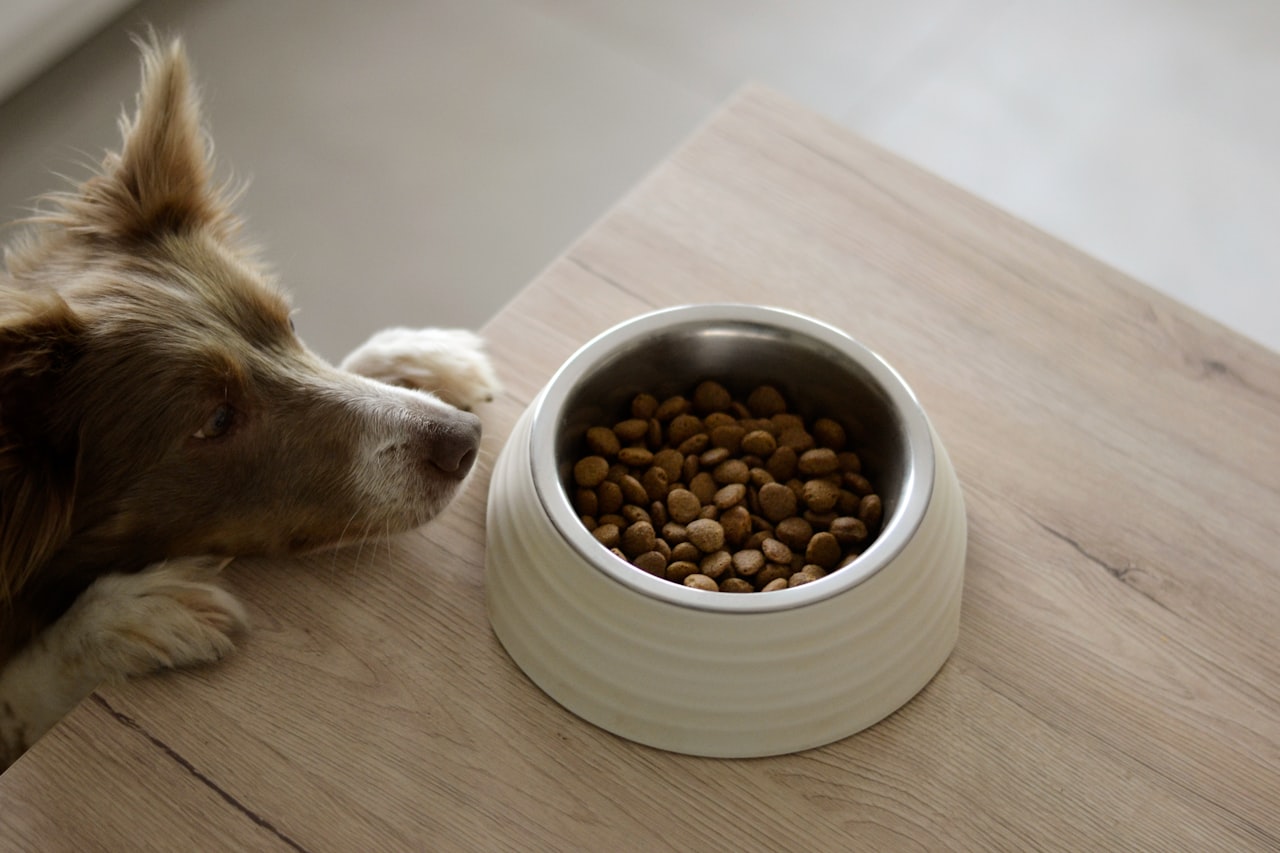
The pitch is called the ancestral diet, and it rests on a simple syllogism: dogs descend from wolves, wolves eat meat, therefore dogs should eat like wolves. The first two clauses are true. The conclusion is where marketing outruns the biology.
▮ What domestication actually did
| Trait | Wolf | Domestic dog |
|---|---|---|
| Ancestry | Wild predator | Descended from wolves, then reshaped by humans |
| Starch digestion | Limited | Enhanced — extra copies of a starch-digesting gene |
| Best description | Carnivore | Adapted omnivore |
| Time alongside humans | None | Many millennia of co-evolution |
Genetics of canine starch adaptation: Axelsson et al., Nature (2013).

That second row is the crux. As dogs evolved alongside farming humans, they picked up the genetic machinery to digest starch far better than wolves can. A modern dog is not a captive predator making do with kibble — it is an omnivore built, in part, by the human table. 'Just like a wolf' sells; 'metabolically rather different from a wolf' is the science.
The grain-free caveat
Ancestral-diet marketing helped drive the grain-free boom. In 2018 the US FDA opened an investigation into a possible link between certain grain-free diets and canine dilated cardiomyopathy (DCM). The findings remain complex and unsettled — but it's a live reminder that 'ancestral' is a marketing frame, not a guarantee of better nutrition.
Your dog shares a common ancestor with the wolf. It also shares your sofa, your schedule and, genetically, some of your own ability to live on more than meat.
The 4DW Angle
We trade the real protein behind these recipes — named organs, muscle meat, honest by-products — so we're the last to knock a good story on a bag. But the ingredient that earns the repeat purchase is nutrition that fits the animal in front of you, documented and consistent. The wolf sells the first bag; the formulation keeps the customer.

▮ Frequently asked questions
Are dogs really just domesticated wolves that need meat?
Not quite. Dogs descend from wolves but were reshaped by living alongside farming humans, gaining extra copies of a starch-digesting gene (Axelsson et al., Nature, 2013). A modern dog is best described as an adapted omnivore, not a captive predator, metabolically rather different from the wolf pictured on the premium bag.
What is the ancestral diet for dogs?
The ancestral diet is a marketing frame resting on a simple syllogism: dogs descend from wolves, wolves eat meat, so dogs should eat like wolves. The first two clauses are true, but the conclusion outruns the biology, because domestication gave dogs enhanced starch digestion that wolves never had, reshaping their metabolism.
Is grain-free dog food safe?
It remains unsettled. Ancestral-diet marketing helped drive the grain-free boom, and in 2018 the US FDA opened an investigation into a possible link between certain grain-free diets and canine dilated cardiomyopathy (DCM). The findings stay complex, a live reminder that 'ancestral' is a marketing frame, not a guarantee of better nutrition.
Related from the desk
SOURCES