Key Takeaways
- ▸VAFO Group is investing €14 million (US$16 million) in a wet pet-food plant.
- ▸The plant sits near Slupsk in northern Poland and targets 100 million pouches yearly.
- ▸Phase-one operations begin at the end of 2027, creating 50-plus jobs.
- ▸The site is about 30 km from VAFO's Carry dry-food plant.
- ▸It lies roughly 120 km from the Port of Gdynia, a Baltic gateway.
EUROPE PET FOOD WATCH · Nº 6
A dry-food heavyweight is placing a wet bet. VAFO Group is building a €14 million (US$16 million) wet pet-food plant near Słupsk in northern Poland — its entry into the pouches and trays that pet owners increasingly want.
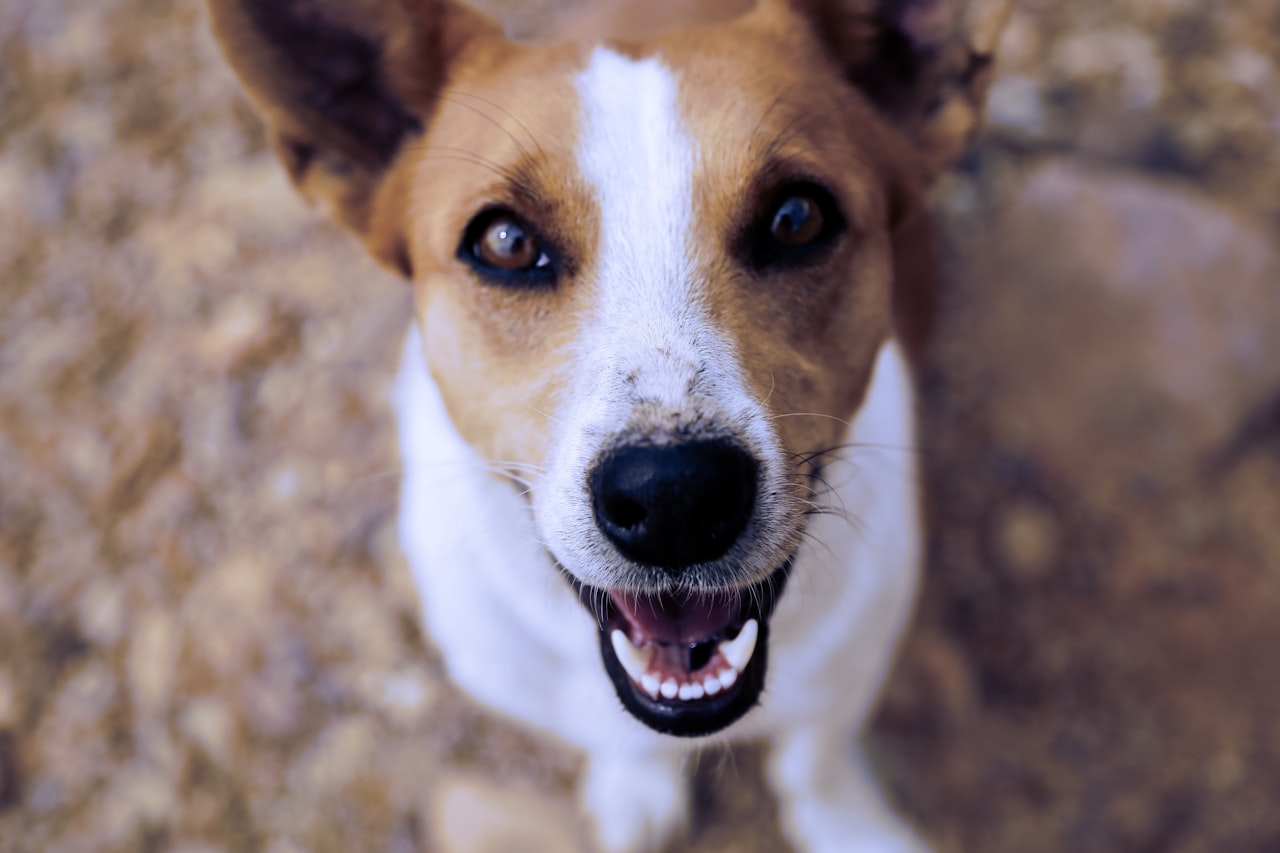
The first phase targets up to 100 million pouches a year, with operations from the end of 2027 and 50-plus jobs. It is a classic humanization move: wet food carries higher meat inclusion, premium positioning and the 'looks like real food' appeal that drives the fastest-growing shelves in Europe.
▮ Why wet, why Poland
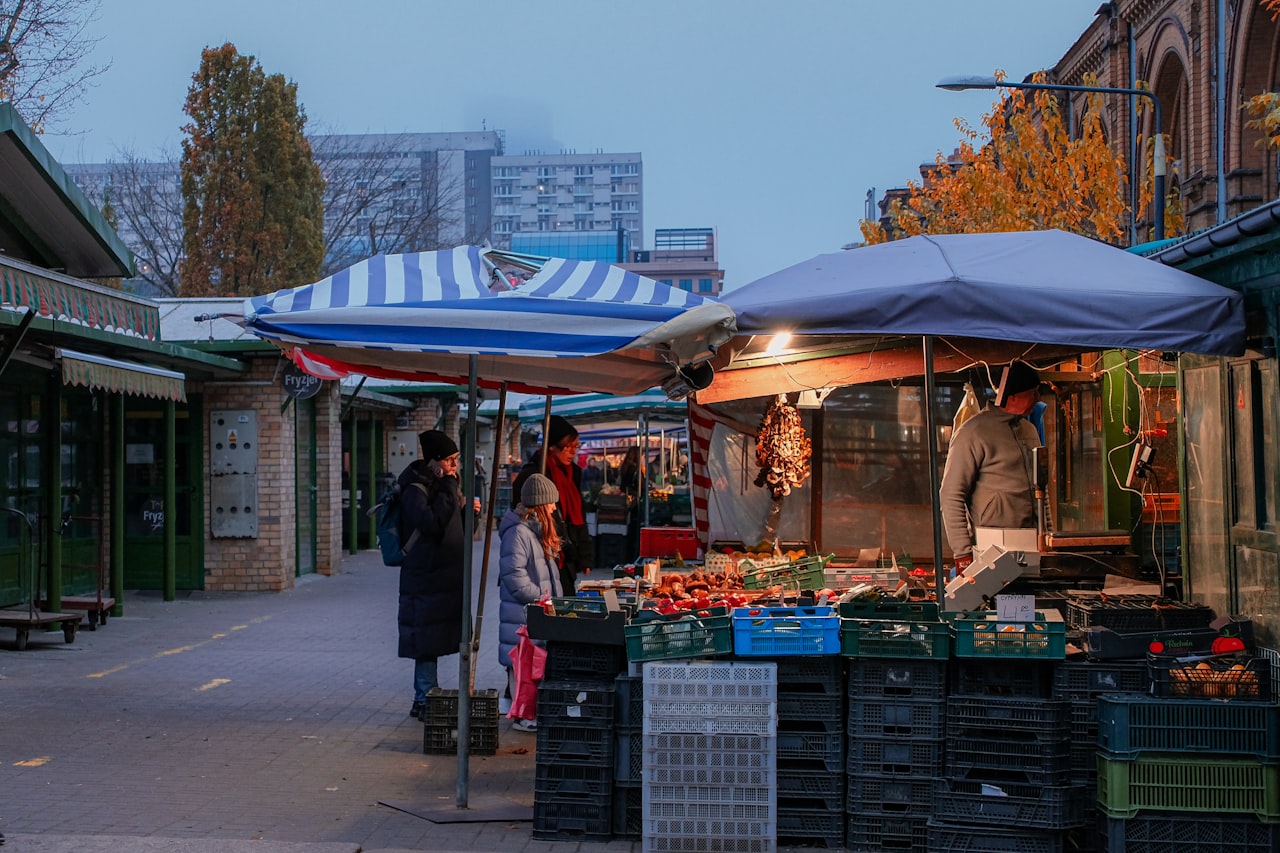
Geography is the quiet argument. The new site sits about 30 km from VAFO's existing Carry dry-food plant and roughly 120 km from the Port of Gdynia — close to inputs, close to labour, and close to a Baltic gateway for both imports and exports. Poland has become one of Central Europe's pet-food manufacturing hubs for exactly these reasons.
What it means for suppliers
Wet food is protein-hungry. Pouches and trays lean on fresh and frozen meat, organs and broths rather than dry meals — so every new wet line is fresh demand for spec-consistent, traceable animal raw material.
Dry food built the industry's scale. Wet food is where humanization spends its money — and where the protein content climbs.
The 4DW Angle
New wet-food capacity in Europe maps almost directly onto the frozen protein and organ streams we ship into the continent. A plant like this, 120 km from a major port, is the kind of customer our CAT 3 book is built around: growing, premium, and dependent on reliable imported raw material.
▮ Frequently asked questions
What is VAFO building in Poland?
VAFO Group is building a €14 million (US$16 million) wet pet-food plant near Slupsk in northern Poland, its entry into the pouches and trays owners increasingly want. Phase one targets up to 100 million pouches a year, with operations beginning at the end of 2027 and more than 50 new jobs.
Why is VAFO betting on wet pet food?
Wet food is a classic humanization move: it carries higher meat inclusion, premium positioning and the 'looks like real food' appeal driving Europe's fastest-growing shelves. It is also protein-hungry - pouches and trays lean on fresh and frozen meat, organs and broths, so each new wet line is fresh demand for animal raw material.
Why did VAFO choose northern Poland for the plant?
Geography is the quiet argument. The site sits about 30 km from VAFO's existing Carry dry-food plant and roughly 120 km from the Port of Gdynia - close to inputs, labour and a Baltic gateway for imports and exports. Poland has become one of Central Europe's pet-food manufacturing hubs for these reasons.
Related from the desk
SOURCES