Key Takeaways
- ▸Prime cuts are only the visible fraction of an animal's value
- ▸Offal feeds pet food, food and pharma; fats go to biofuel and oleochemicals
- ▸Hide and bone become leather, gelatin, collagen and meals
- ▸Rendering kept the meat industry circular long before it was fashionable
THE BIG PICTURE
Ask most people what a beef animal is for and they will say steak. Ask the industry, and the honest answer is: steak, and about a hundred other things you never see.
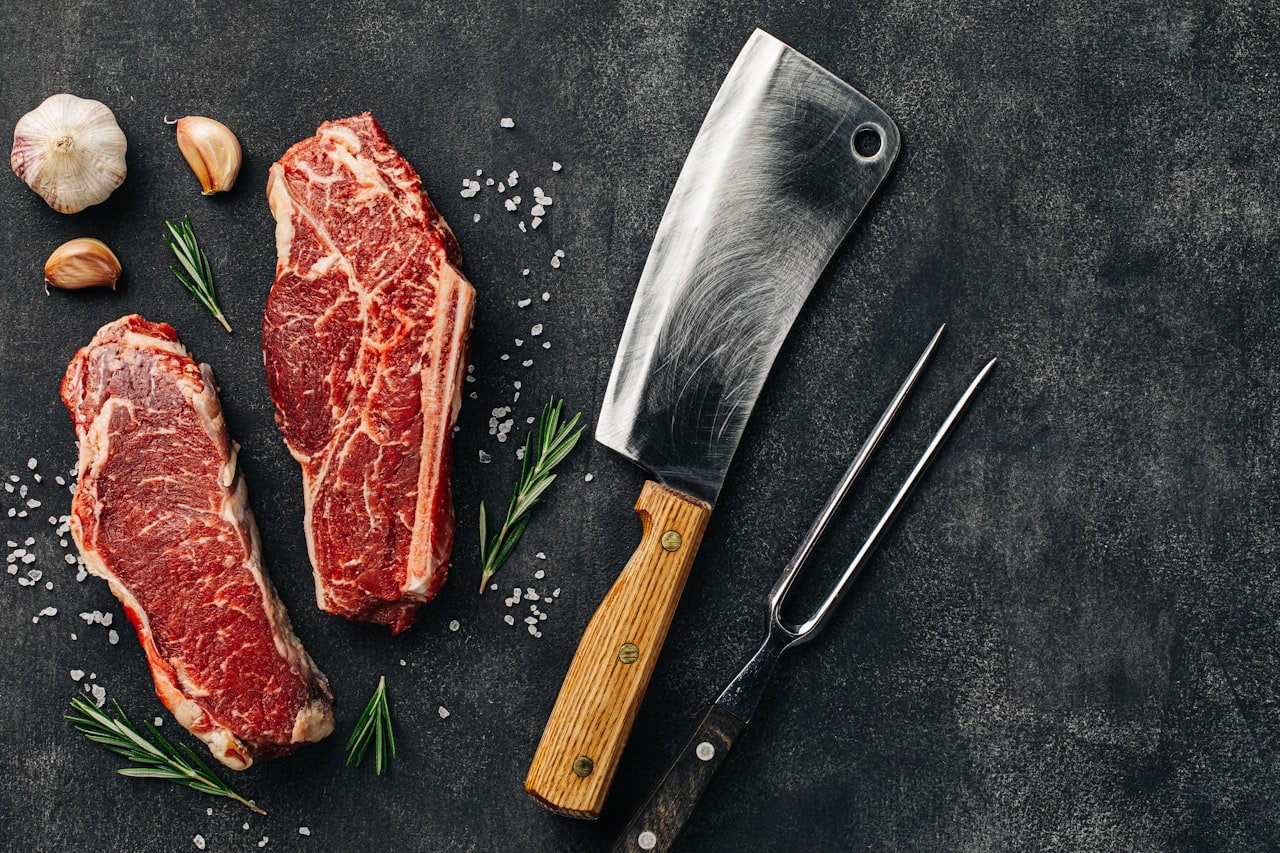
The prime cuts are only the visible fraction of an animal's value. Everything else — organs, fats, bones, blood, hide — has a destination, a buyer and a price. Butchers once called this the 'fifth quarter,' the part beyond the four quarters of meat. For our industry, the fifth quarter isn't a leftover; it's a portfolio.
▮ The streams one animal feeds
WHERE ONE ANIMAL'S VALUE LANDS (ILLUSTRATIVE)
Illustrative only — real splits vary widely by species, market and day. Shown to make a point, not to price a steer.
Follow the streams and you have described four businesses at once. Hearts and livers go to pet food; tripe and paws to tables across Asia; cartilage and glands to pharmaceutical labs; fats to biofuel and oleochemicals; bone and blood to meals for aquaculture and feed. The same animal, sorted by its highest-value use, becomes food, pet food, medicine and fuel.
The oldest circular economy
Rendering — the processing of by-products into fats and proteins — kept the meat industry circular long before the word was fashionable. Without it, material that is now revenue would be waste, and a great deal of it would go to landfill. Sustainability here wasn't invented; it was always priced by the tonne.
The 4DW Angle
Our four verticals — food, pet food, pharma and rendering — are really one idea wearing four hats: give every part of the animal its highest-value home. The whole-animal economy isn't a sideline for us. It's the business plan.
▮ Frequently asked questions
What is the 'fifth quarter' of a beef animal?
The 'fifth quarter' is the butcher's old term for everything beyond the four quarters of meat — organs, fats, bones, blood and hide. For the industry it isn't a leftover but a portfolio: each stream has a destination, a buyer and a price, turning one animal into food, pet food, medicine and fuel.
What products come from one beef animal?
One steer becomes far more than steak: hearts and livers go to pet food; tripe and paws to tables across Asia; cartilage and glands to pharmaceutical labs; fats to biofuel and oleochemicals; and bone and blood to meals for aquaculture and feed. The same animal, sorted by its highest-value use.
What is rendering and why does it matter?
Rendering is the processing of animal by-products into fats and proteins. It kept the meat industry circular long before the word was fashionable — without it, material that is now revenue would be waste, much of it bound for landfill. Sustainability here wasn't invented; it was always priced by the tonne.
Related from the desk
SOURCES