
Key Takeaways
- ▸Wolves began scavenging at human camps roughly 30,000 years ago.
- ▸Clear evidence of domesticated dogs appears about 15,000 years ago.
- ▸A 2013 genome study pinpointed starch-digestion genes as a domestication signature.
- ▸The AMY2B gene codes for a starch-digesting enzyme; wolves carry two copies.
- ▸Dogs carry several times more AMY2B copies, letting them thrive on farming leftovers.
CURIOSITY FRIDAY
The oldest partnership in the food business is not between two companies — it is between our species and the wolf. And the terms of that deal, struck over tens of thousands of years, are written into the dog's digestive system.
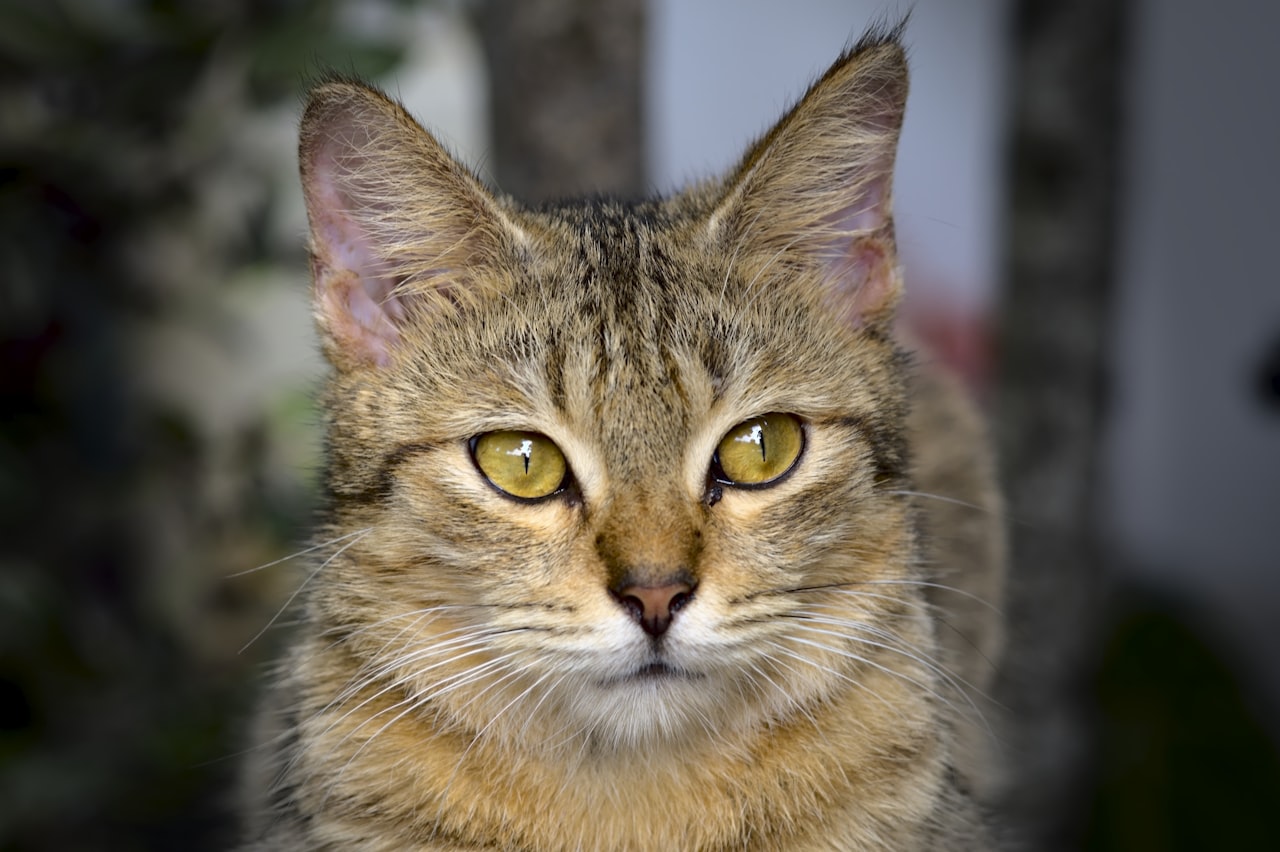
Domestication did not start in a lab or a kennel. It started at the edge of firelight, where the boldest wolves crept in to scavenge what humans left behind. The animals that tolerated people, and that people tolerated, ate better and bred more. Diet, not decree, did the taming.
▮ The gene that proves it
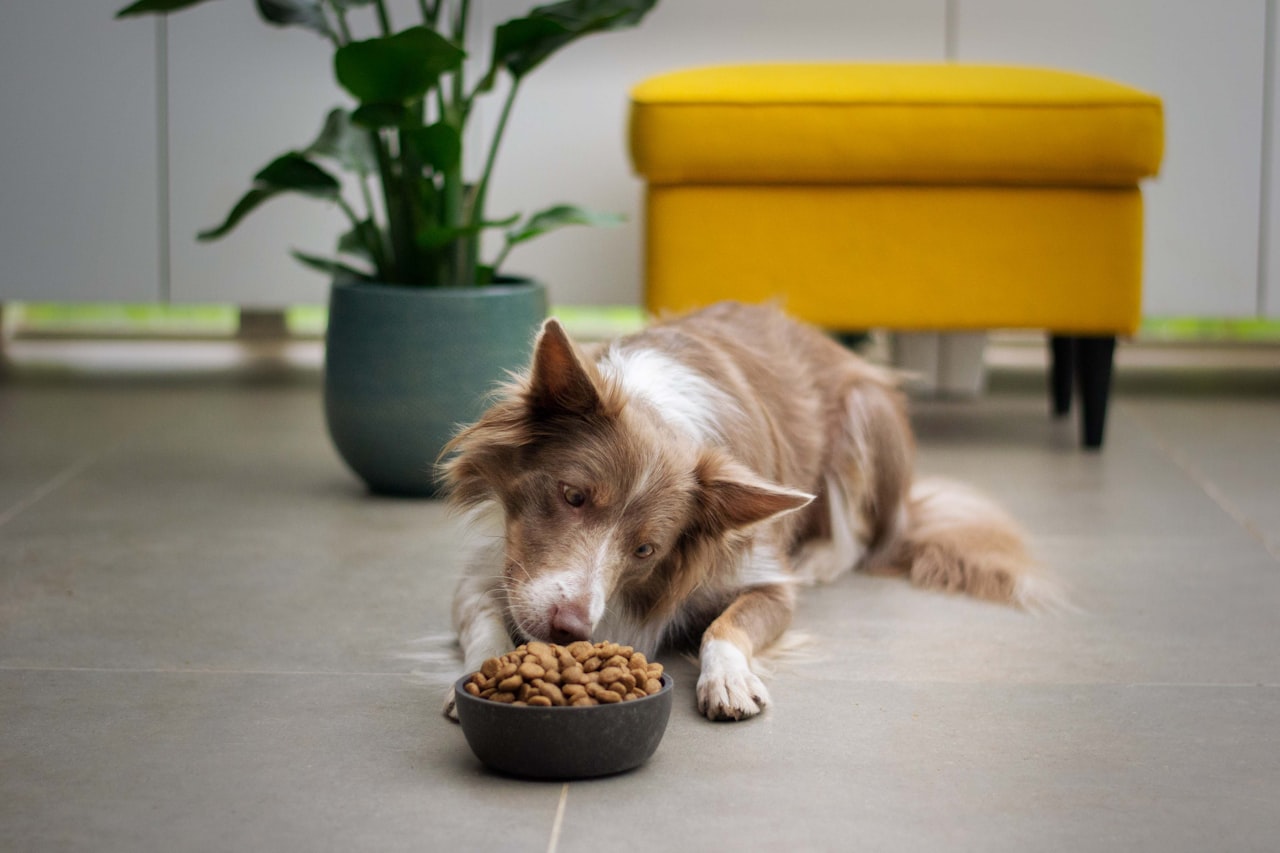
The clearest evidence is a gene called AMY2B, which codes for an enzyme that breaks down starch. Wolves carry the ancestral two copies. Dogs carry several times more — an expansion that let them thrive on the carbohydrate-rich leftovers of farming humans. They did not just live with us; they evolved to eat with us.
Did you know?
The pattern tracks history. Dog breeds from ancient high-starch farming regions tend to carry more AMY2B copies, while those from hunting and herding cultures like the husky carry fewer — genetics echoing thousands of years of local dinners.
We did not simply feed dogs for 30,000 years. We changed what a dog is. Every recipe on the shelf today is a footnote to that bargain.
The 4DW Angle
For all the co-evolution, one thing never shifted: animal protein remains the anchor of the canine diet and the driver of palatability and nutrition. The starch story explains the carbohydrate debate around the edges of the bowl — but the meat at its center is still the part we trade every week.
▮ Frequently asked questions
How did dogs evolve to digest starch?
As farming spread about 10,000 years ago, dogs sharing human scraps met far more starch, and natural selection favoured those who could digest it. A 2013 Nature genome study by Axelsson identified the AMY2B gene as key: dogs carry several times more copies than wolves' ancestral two.
What is the AMY2B gene in dogs?
AMY2B is a gene that codes for an enzyme breaking down starch. Wolves carry the ancestral two copies; dogs carry several times more - an expansion that let them thrive on the carbohydrate-rich leftovers of farming humans. It is among the clearest genetic signatures of dog domestication.
When did dogs become domesticated?
Domestication was gradual. Wolves began lingering at human camps around 30,000 years ago, and clear archaeological evidence of domesticated dogs living alongside humans appears about 15,000 years ago. Diet, not decree, did the taming: the wolves that tolerated people ate better and bred more.
Related from the desk
SOURCES