
Key Takeaways
- ▸A Cycle-2 (beneficiamento) plant lawfully stamps its own production date on finished product.
- ▸Re-processing resets the shelf-life clock from the plant's line, not a supplier's date.
- ▸Buyers demand a minimum share of shelf life remaining on arrival.
- ▸Under Brazil's RIISPOA, a genuine processing step establishes a new production date.
- ▸The same physical protein qualifies for more markets and longer transit.
INSIDE THE INDUSTRY
In frozen protein, the most valuable thing a plant can own is not a particular cut of meat — it is a date.

Buyers rarely accept cargo simply because it is 'in date'. They demand a minimum share of shelf life remaining on arrival, and that requirement quietly decides which product qualifies for which contract. And the clock everyone is measuring against starts from one thing: the production date printed on the box.
▮ Where the date resets
| Origin lot (Cycle 1) | Beneficiamento (Cycle 2) | |
|---|---|---|
| Production date | The raw-material supplier's date | The processing plant's own date |
| Shelf-life clock | Runs from the original production | Resets at re-processing |
| Traceability | Controlled by the supplier | Controlled by the Cycle-2 plant |
| Buyer benefit | Whatever life remains on arrival | Maximum remaining life for minimum-shelf-life rules |
Simplified — under Brazil's RIISPOA, a genuine processing step (beneficiamento) establishes a new date of production for the finished product.
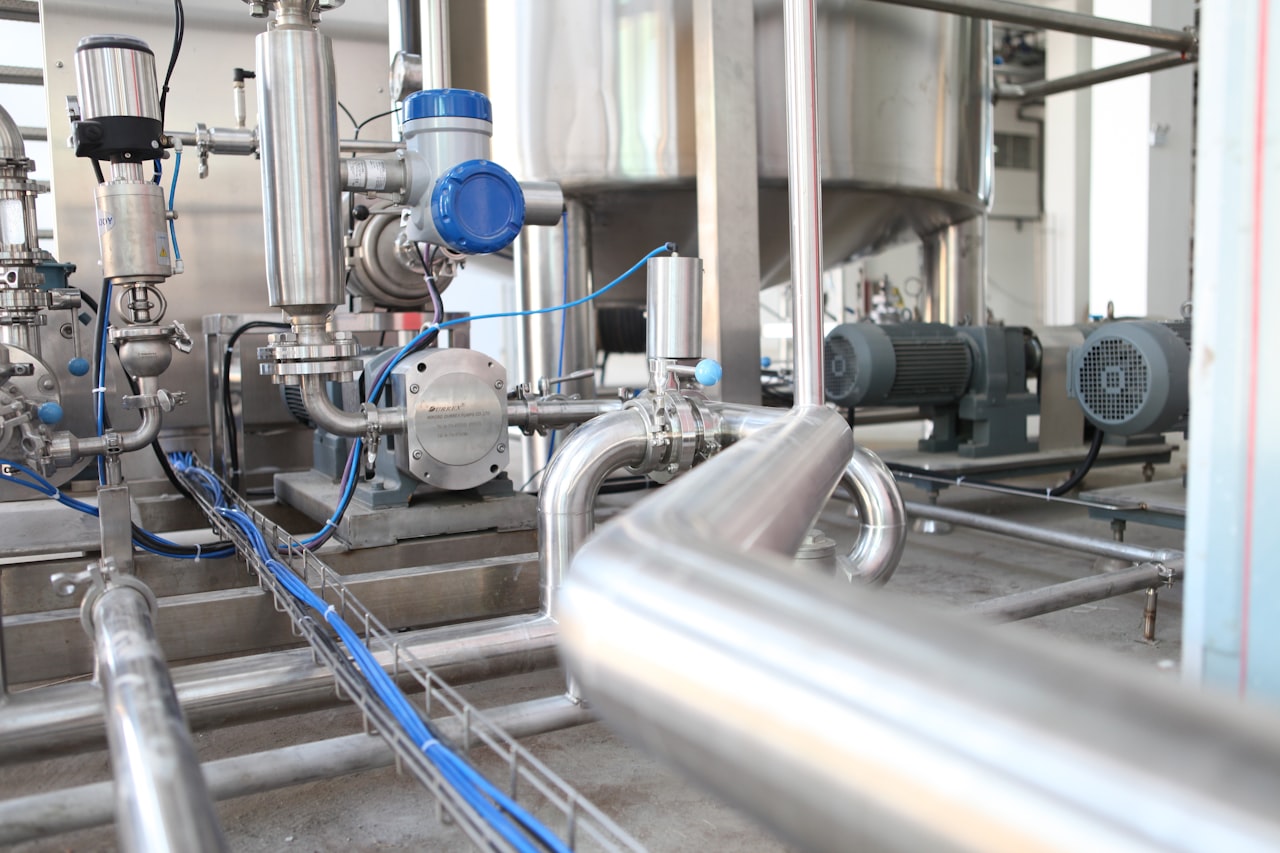
This is not relabelling, and it is not a trick. A Cycle-2 establishment performs a real processing operation — reworking, transforming, re-packing under inspection — and therefore lawfully assigns a fresh production date to the finished product it creates. The effect is that effective shelf life is measured from the plant's own line, not from a supplier's earlier date.
The regulatory logic
A Cycle-2 plant that transforms raw material owns the resulting product — including its date of production. Where minimum-shelf-life rules bite, that ownership is a genuine commercial edge: the same physical protein qualifies for more markets and longer transit.
Whoever stamps the production date controls the shelf life — and whoever controls the shelf life controls the sale.
The 4DW Angle
This is precisely why our own plant, Nutre Meat (SIF 4075), matters to the book: operating as a Cycle-2 processor lets us set the production date, hold the traceability chain end to end, and structure shipments around each destination's shelf-life demands rather than around a supplier's calendar.
▮ Frequently asked questions
How does beneficiamento reset shelf life on frozen meat?
A Cycle-2 (beneficiamento) establishment performs a real processing operation - reworking, transforming and re-packing under inspection - and therefore lawfully assigns a fresh production date to the finished product it creates. Under Brazil's RIISPOA, effective shelf life is then measured from the plant's own line, not a supplier's earlier date.
Why does the production date matter for meat exports?
Buyers rarely accept cargo just because it is in date - they demand a minimum share of shelf life remaining on arrival, which decides what product qualifies for which contract. Since the clock starts from the production date on the box, whoever stamps that date controls the shelf life and the sale.
Is resetting the production date just relabelling?
No. It is not relabelling or a trick. A Cycle-2 plant that transforms raw material lawfully owns the resulting finished product, including its date of production, under Brazil's RIISPOA (Decreto 9.013/2017). Where minimum-shelf-life rules bite, that ownership is a genuine commercial edge for the same physical protein.
Related from the desk
SOURCES