Key Takeaways
- ▸Rendering turns material no one will eat into two tradable products: fat and meal.
- ▸Raw material is graded and kept separate by category; CAT 3 never mixes down.
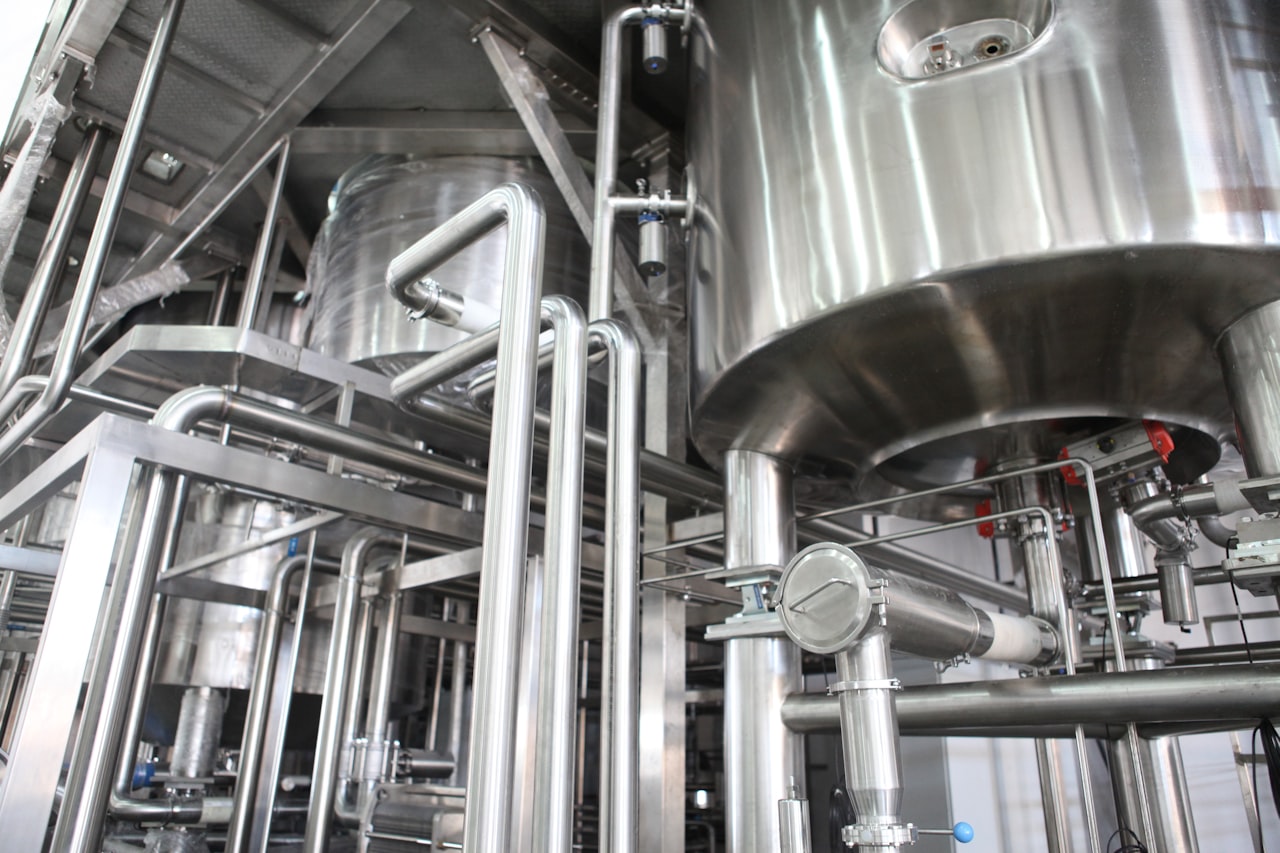
- ▸Cooking drives off water and frees the fat from the protein solids.
- ▸Presses and centrifuges split melted fat from the solid protein fraction.
- ▸Validated time-temperature control sterilises the batch in the same cooking step.
INSIDE THE INDUSTRY
Every slaughter leaves behind material no one will eat. Rendering is the industrial art of turning that into two clean, tradable products: fat and meal.
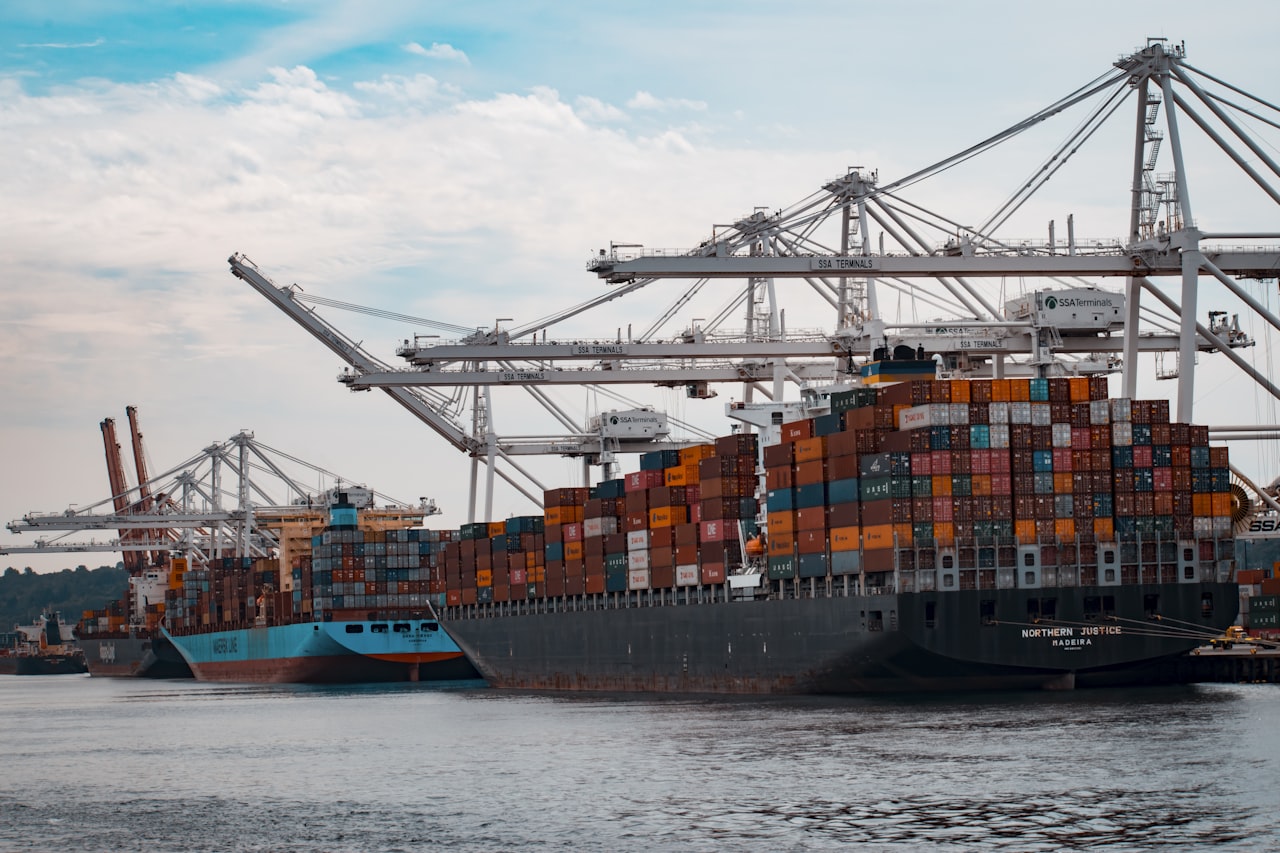
It looks like alchemy and runs on physics. The whole process is a controlled application of heat and mechanical separation — and, done to standard, it is also a food-safety operation. Here is the path from receiving dock to loaded container.
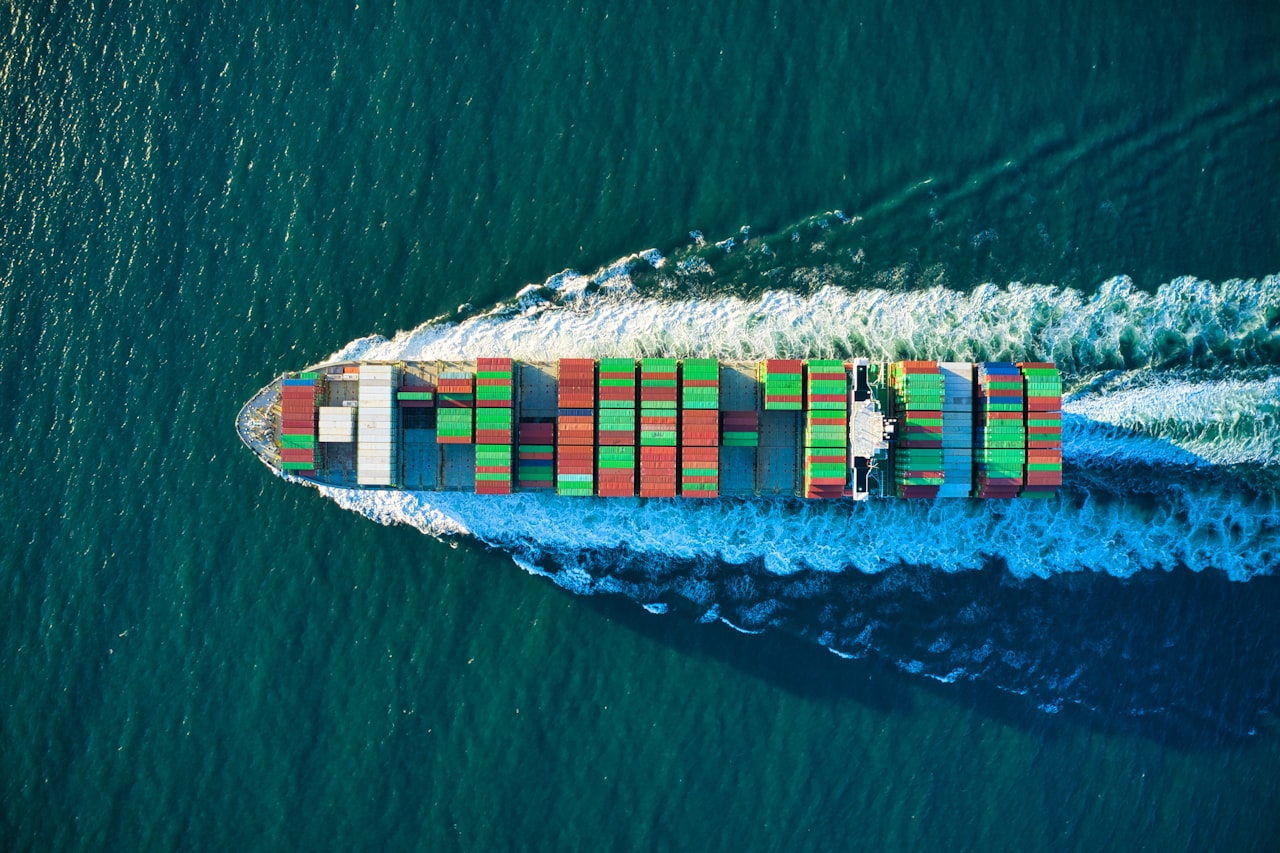
What comes off the line is not waste redeemed — it is two commodities with their own global markets, price curves and specifications. The renderer's skill is in yield and consistency: how much fat and meal per tonne of raw material, and how reliably it hits spec batch after batch.
Heat is the whole trick
Rendering runs on one principle: apply enough controlled heat and everything separates — water evaporates, fat melts and pours off, protein dries to a stable meal. Get the time and temperature right and you sterilise the batch in the same step.
A slaughterhouse decides what people eat. A renderer decides what happens to everything else.
The 4DW Angle
Rendering is where sustainability stops being a slogan and becomes a yield figure. It is also a core vertical for our desk — fats and meals moving from origin to feed, pet-food and technical buyers, with the category discipline that keeps CAT 3 material worth what it should be.
▮ Frequently asked questions
How does the rendering process work step by step?
Rendering runs in six controlled steps: receiving and sorting by category, size reduction to a uniform particle, cooking to drive off water and free the fat, fat separation by presses and centrifuges, grinding the dried solids into meal, and sterilisation with QC. The output is two commodities - fat and meal.
What products does rendering produce?
Rendering produces two clean, tradable commodities: fat, such as tallow or grease, and protein meal, such as meat-and-bone or poultry meal for feed and pet food. Each has its own global market, price curve and specifications. The renderer's skill is yield and consistency - how much fat and meal per tonne, hitting spec every batch.
Is rendering a food-safety process?
Yes. Done to standard, rendering is a food-safety operation as much as a recovery one. Raw material is kept strictly separate by category - CAT 3 never mixes with lower grades - and validated time-temperature control sterilises the material in the same step that drives off water and melts the fat.
Related from the desk
SOURCES