
Key Takeaways
- ▸A 40ft refrigerated container carries about 26 to 28 tonnes of frozen product.
- ▸The frozen set-point is -18C, fixed before any carton is loaded.
- ▸Floor-loading packs the most weight; palletizing is faster but carries less.
- ▸Dense cuts weigh out; bulky, lighter product cubes out first.
- ▸A single break in the temperature record can invalidate the health certificate.
INSIDE THE INDUSTRY
Every export sale eventually comes down to one physical question: how do you get the most protein into a steel box without breaking a rule, a budget or the cold chain? Welcome to container math.
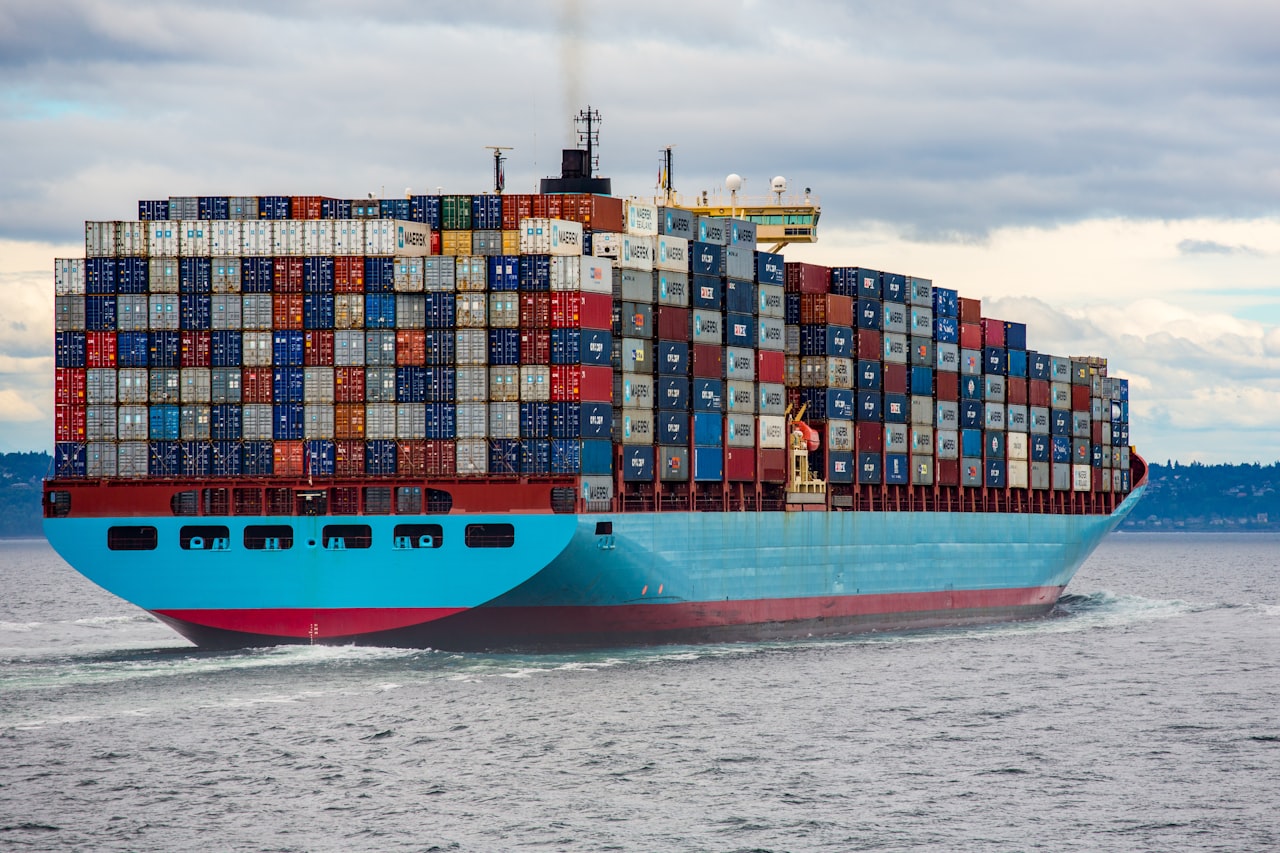
A 40-foot refrigerated container typically carries a payload of around 26 to 28 tonnes of frozen product. That ceiling, plus the box's internal volume, sets up the loader's central tension — a tradeoff every exporter learns to solve in their sleep.
▮ Weight versus cube: the loader's dilemma
| Loading method | Payload | Trade-off |
|---|---|---|
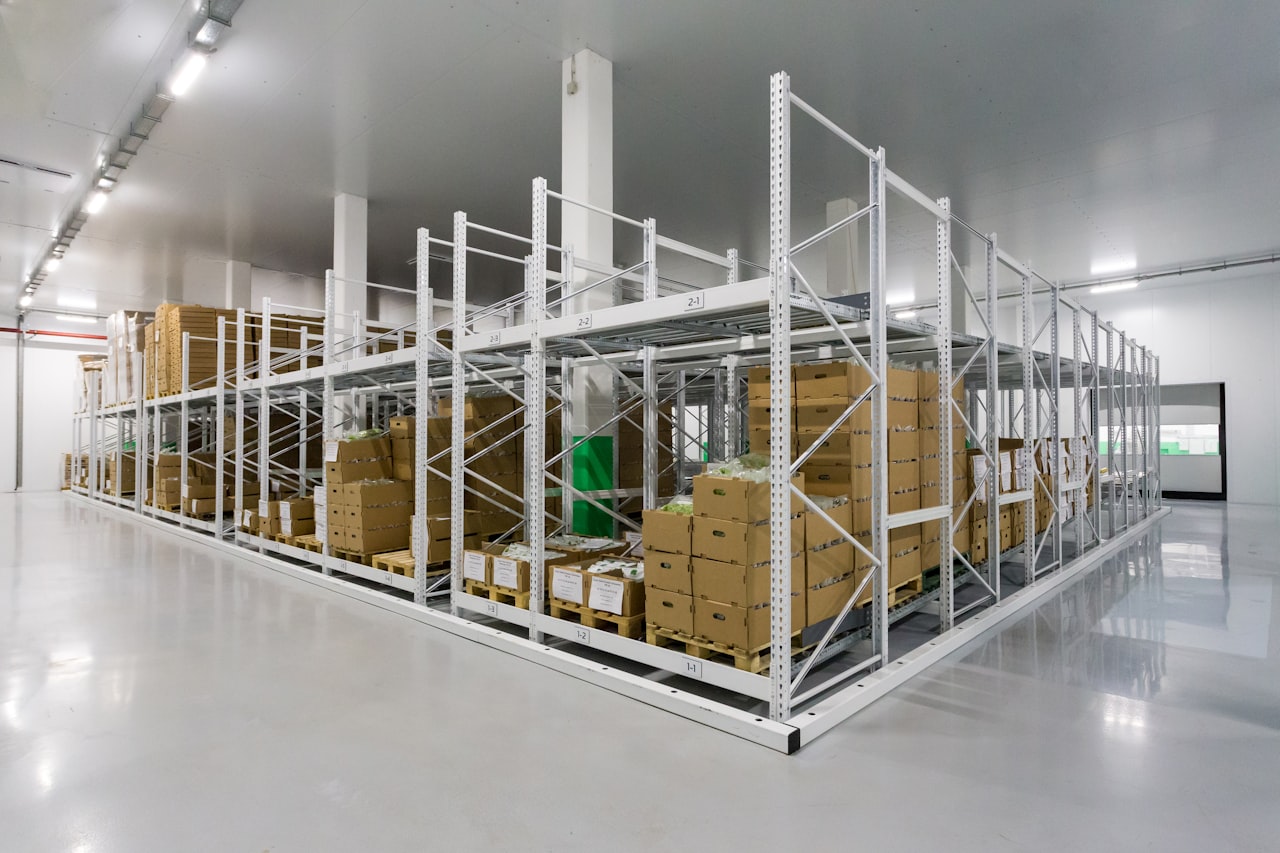
| Floor-loaded (loose cartons) | Highest — packs to ~26-28 t | Slow, manual; crush risk on bottom layers |
| Palletized | Lower — pallets add weight and gaps | Fast handling, cleaner counts, better protection |
Dense cuts tend to 'weigh out' (hit the tonne limit first); bulky, lighter product tends to 'cube out' (fill the volume first).
The detail that voids a shipment
A single break in the temperature record can invalidate the health certificate on arrival, regardless of how the meat looks. In frozen protein, the data logger is not paperwork — it is the product's passport.
The 4DW Angle
This is our daily reality, not a theory exercise: turning a sales contract into a correctly stowed, correctly documented reefer is where a trade is actually won or lost. Weight, cube and set-point discipline, load after load, are what let a shipment clear a border on the first attempt.
▮ Frequently asked questions
How much frozen meat fits in a 40ft reefer container?
A 40-foot refrigerated container typically carries a payload of around 26 to 28 tonnes of frozen product. That ceiling, plus the box's internal volume, creates the loader's central tension: dense cuts tend to hit the weight limit first, while bulky, lighter product fills the space first.
What is the difference between weighing out and cubing out?
A load 'weighs out' when dense product hits the 26-28 tonne payload limit before filling the space; it 'cubes out' when bulky, lighter cargo fills the volume before hitting the weight cap. Deciding which will happen first drives the entire stow - floor-loaded for weight, palletized for speed and protection.
Why do data loggers matter in frozen shipping?
In frozen protein, the data logger is the product's passport. Temperature loggers go in with the cargo, pulp temperatures are recorded, and the seal number is logged against the certificate. A single break in the temperature record can invalidate the health certificate on arrival, regardless of how the meat looks.
Related from the desk
SOURCES