Key Takeaways
- ▸China signed a protocol opening its market to Brazilian bovine gallstones.
- ▸Gallstones are the raw material behind niu huang, prized in Chinese medicine.
- ▸Only a small fraction of cattle carry usable gallstones, making them rare.
- ▸The opening was part of a late-July package with Paraguay and Palau.
- ▸Gram-for-gram, gallstones rank among a slaughterhouse's most valuable products.
RENDERING/PHARMA SPOTLIGHT · Nº 4
Some of the most valuable cargo we track isn't a cut of meat — it's a stone. This week China signed a protocol opening its market to Brazilian bovine gallstones, one of the highest-value by-products the beef industry produces.
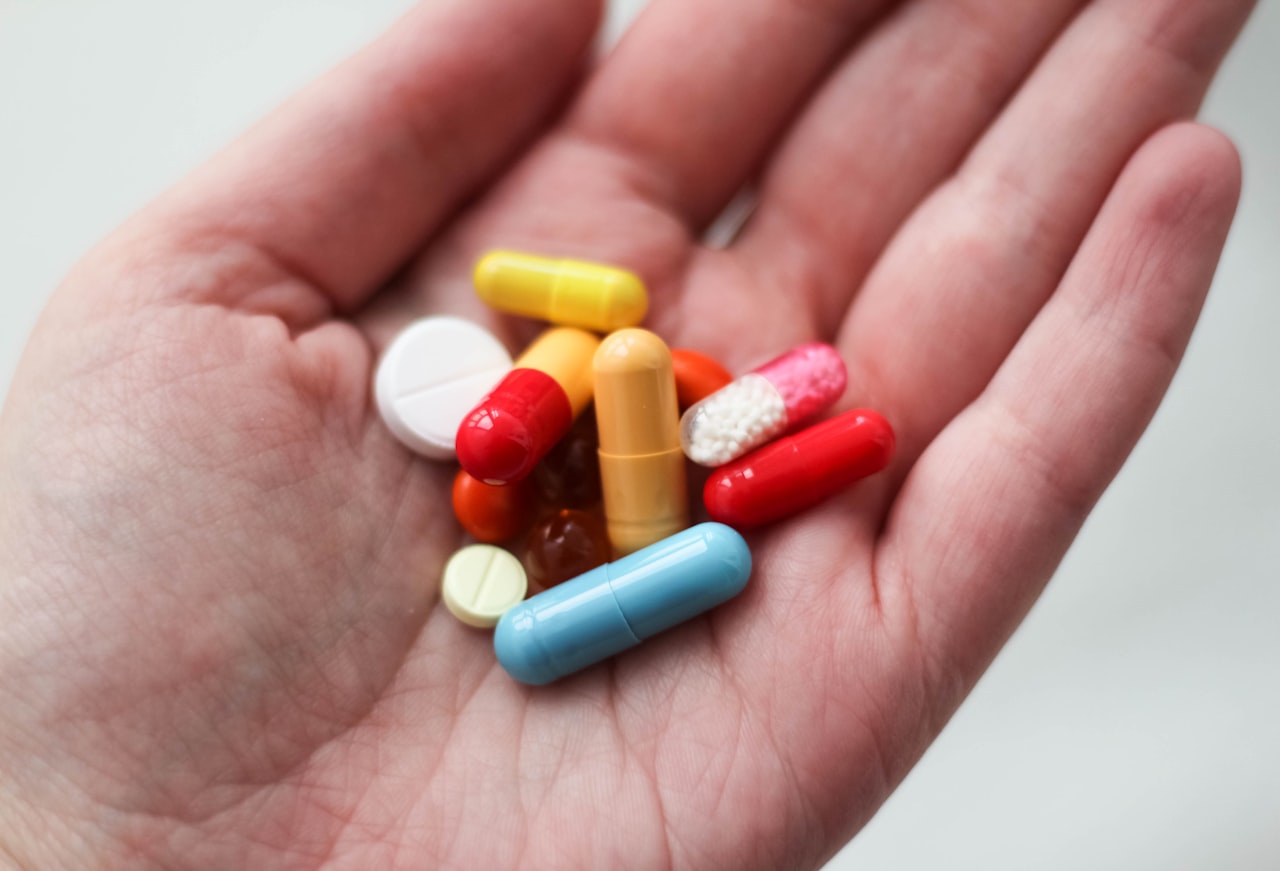
Bovine gallstones — calculi that form in cattle bile — are the raw material behind niú huáng, a prized ingredient in traditional Chinese medicine. They are rare (only a small fraction of cattle carry usable stones), painstaking to recover and clean, and priced accordingly: gram-for-gram, they rank among the most valuable products ever to leave a slaughterhouse.
▮ One steer, many markets
This is the by-product economy at its most extreme. A single animal yields beef for the freezer, fat for rendering, organs for pet food and pharma — and, occasionally, a gallstone worth a startling multiple of the carcass it came from. Opening a formal, protocol-backed channel to the world's biggest market for such ingredients turns an incidental find into a bankable export line.
| Destination | New Brazilian access |
|---|---|
| China | Bovine gallstones — pharma / TCM by-product |
| Paraguay | Live swine for slaughter |
| Palau | Beef, sheep, goat & pork |
Market openings announced by Brazil's MAPA and MRE, late July 2026.
Why a protocol matters
High-value by-products only travel legally when a sanitary protocol exists — agreed rules on eligibility, documentation and inspection. Without one, a gallstone worth a fortune is just contraband. The paperwork is the market.
Nothing is waste until the paperwork says so. The difference between a by-product and a premium export is a signed protocol.
The 4DW Angle
Pharma and rendering by-products are a core 4DW vertical — the high-value, low-volume streams that reward deep documentation and hard-won market access. A new China channel for a product like this is exactly the kind of opening we're built to serve: niche, technical and enormously valuable per kilo.

▮ Frequently asked questions
What did China open to Brazil in late July 2026?
China signed a protocol opening its market to Brazilian bovine gallstones, one of the highest-value by-products the beef industry produces. Announced by Brazil's MAPA and MRE, it was part of a wider late-July package that also saw Paraguay open to Brazilian live swine and Palau to Brazilian beef, sheep, goat and pork.
Why are bovine gallstones so valuable?
Bovine gallstones are calculi that form in cattle bile and the raw material behind niu huang, a prized ingredient in traditional Chinese medicine. They are rare, since only a small fraction of cattle carry usable stones, painstaking to recover and clean, and gram-for-gram among the most valuable products ever to leave a slaughterhouse.
Why does a sanitary protocol matter for gallstone exports?
High-value by-products only travel legally when a sanitary protocol exists, meaning agreed rules on eligibility, documentation and inspection. Without one, a gallstone worth a fortune is just contraband. The protocol China signed in late July 2026 turns an incidental find into a bankable, legal export line into the world's biggest market.
Related from the desk
SOURCES