
Key Takeaways
- ▸The Maillard reaction occurs when amino acids meet reducing sugars under heat.
- ▸It creates hundreds of new aroma molecules, brown colour and roasted flavour.
- ▸French chemist Louis-Camille Maillard first described the reaction in 1912.
- ▸Unlike caramelization, the Maillard reaction needs protein and sugar together.
- ▸Pet food extrusion has run Maillard chemistry at scale since the 1950s.
CURIOSITY FRIDAY
That mouth-watering smell of a steak hitting a hot pan — or a fresh bag of kibble opening — is not one thing. It is hundreds of aroma molecules that did not exist a minute earlier, all conjured by a single reaction.
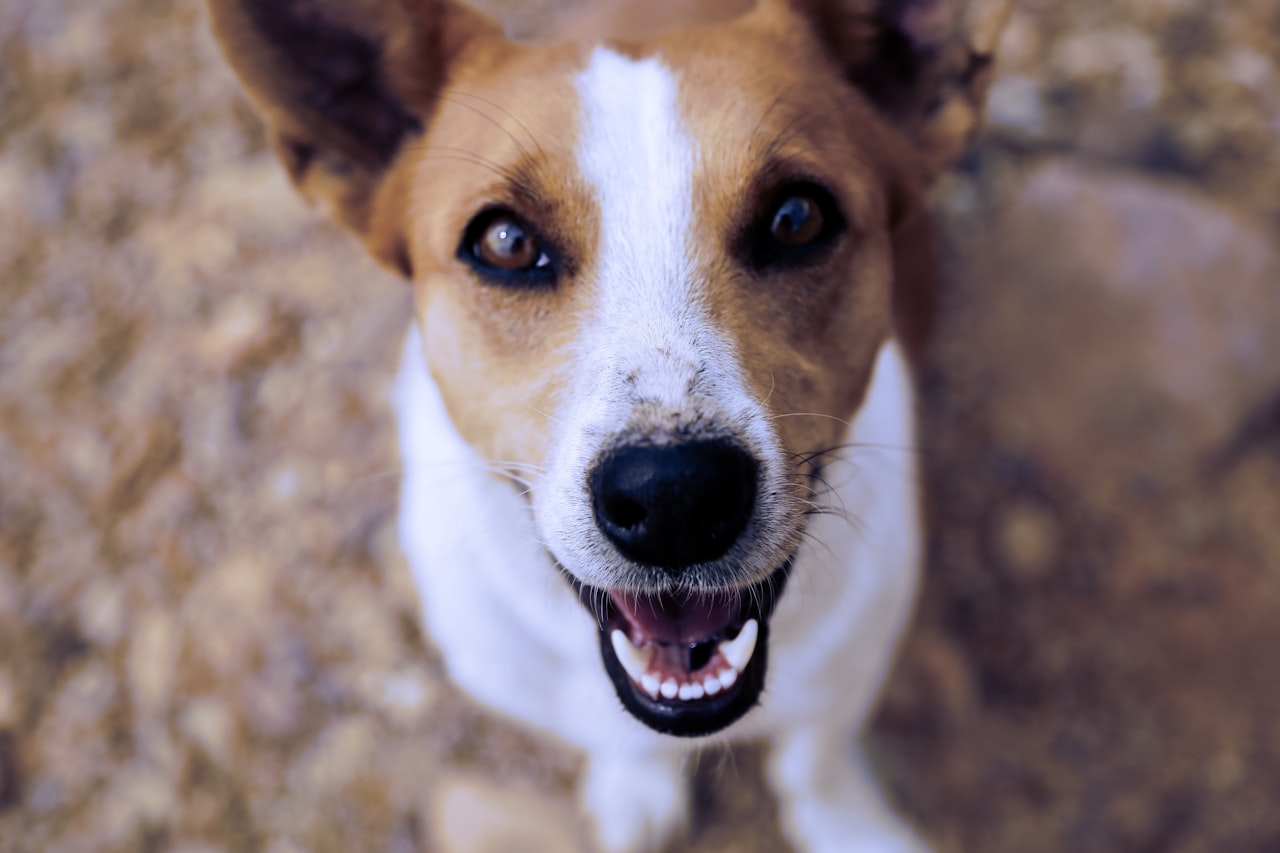
The Maillard reaction is what happens when amino acids meet reducing sugars under heat. They rearrange into a cascade of new compounds: brown colour, roasted flavour, and that unmistakable savoury aroma. It is browning, but it is chemistry, not caramel.
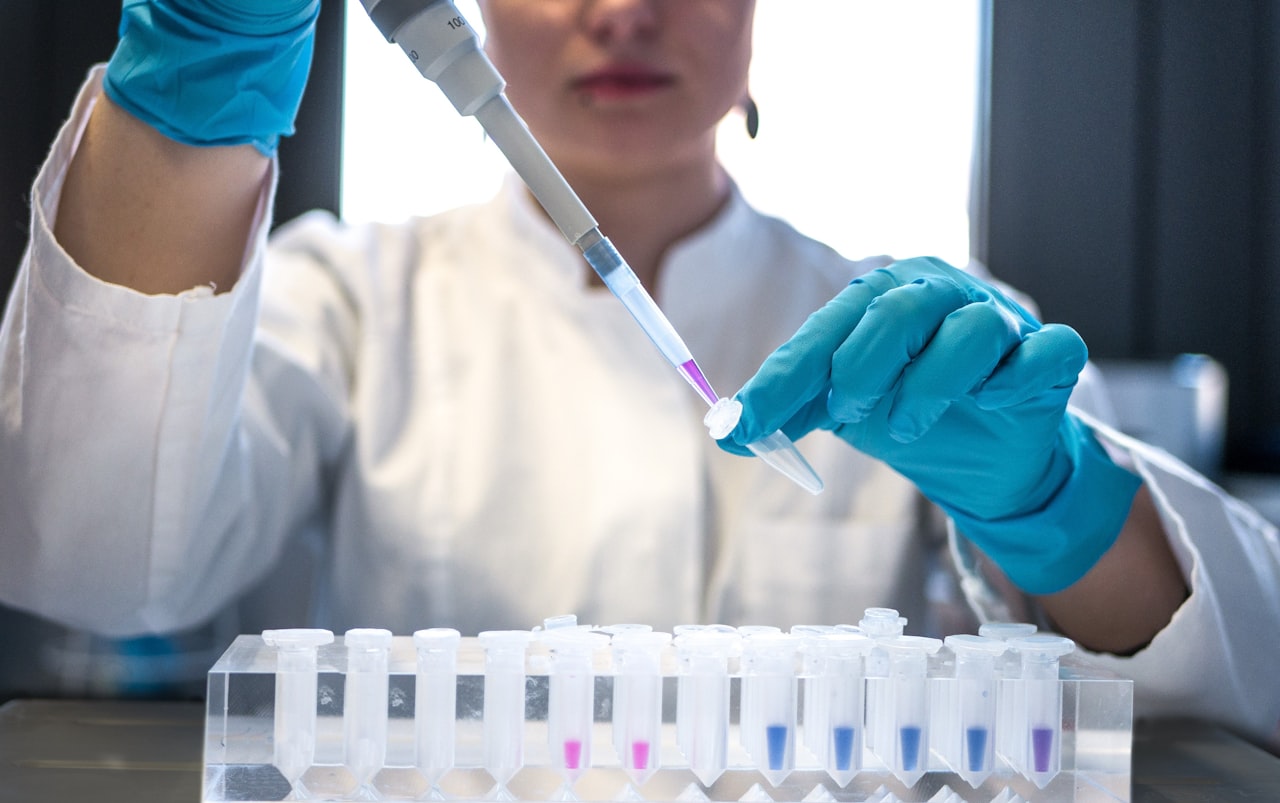
This matters enormously for pet food. Extrusion cooks starch and protein together under heat and pressure — a near-perfect Maillard machine. The aroma a pet smells when the bowl is filled is engineered, not accidental, and it is often what decides whether the food is eaten or ignored.
Not the same as caramelization
Caramelization browns pure sugar on its own. The Maillard reaction needs protein and sugar together — which is precisely why it dominates the flavour of meat-rich foods, human and animal alike.
Heat turns chemistry into appetite. That browned smell is hundreds of new molecules that were not there a minute ago.
The 4DW Angle
Palatability is where raw material meets craft. The protein we supply is the canvas; the Maillard reaction is what the formulator paints with. Understanding both is how you sell a second bag, not just a first.
▮ Frequently asked questions
What is the Maillard reaction?
The Maillard reaction happens when amino acids meet reducing sugars under heat, rearranging into hundreds of new compounds that produce brown colour, roasted flavour and savoury aroma. French chemist Louis-Camille Maillard first described it in 1912, and John Hodge mapped its pathways in 1953, turning a curiosity into rigorous food science.
How is the Maillard reaction different from caramelization?
Caramelization browns pure sugar on its own, while the Maillard reaction needs protein and sugar together under heat. That difference is precisely why the Maillard reaction dominates the flavour of meat-rich foods, both human and animal alike, generating the savoury browned aromas that caramelizing sugar on its own simply cannot produce.
Why does the Maillard reaction matter for pet food?
Extrusion cooks starch and protein together under heat and pressure, making it a near-perfect Maillard machine. The aroma a pet smells when its bowl is filled is engineered, not accidental, and often decides whether the food is eaten or ignored. Formulators tune heat, moisture and sugars to hit the exact aroma.
Related from the desk
SOURCES