
Key Takeaways
- ▸A 25% Section 301 duty on Brazilian goods took effect July 22, 2026.
- ▸Beef, coffee, rare earths and aircraft parts were carved out of the tariff.
- ▸Sugar, apparel and textiles, paper and steel were hit with the 25% duty.
- ▸The measure followed a Section 301 probe that ran about a year.
- ▸With the herd at a multi-decade low, the US is a net lean-beef buyer.
TRADE & REGULATION
The tariff everyone braced for arrived on schedule. From today, a 25% Section 301 duty applies to a long list of Brazilian goods entering the United States — capping a year-long investigation. But scan the exemptions, and one product is conspicuously absent from the firing line: beef.
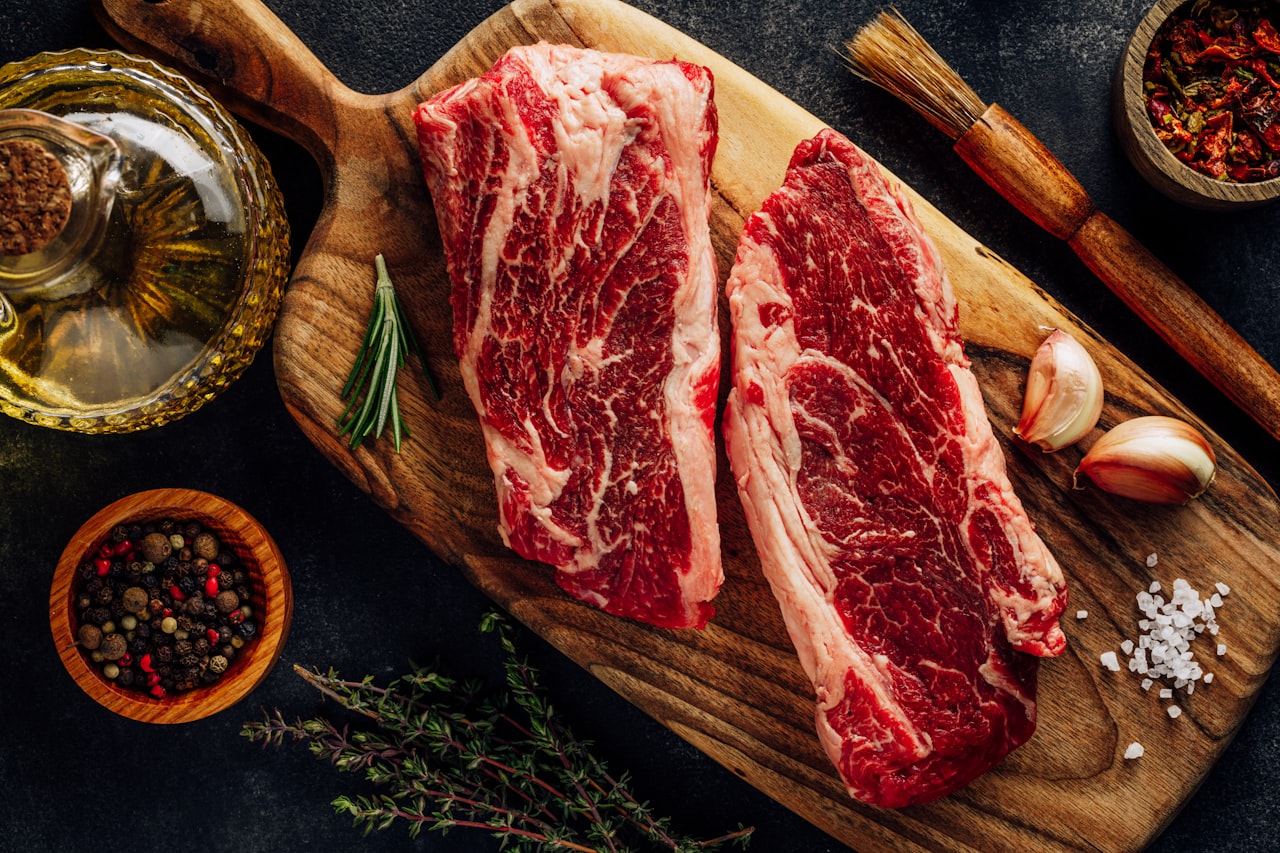
The US Trade Representative confirmed the measure after a 301 probe that ran for roughly a year. The politics are loud; the product list is what matters to a trading desk. Washington drew a line between goods it will tax and goods it decided to leave alone — and the carve-outs read like a map of what the US still needs to buy.
| Carved out (no new duty) | Hit with 25% |
|---|---|
| Beef | Sugar |
| Coffee | Apparel & textiles |
| Rare earths | Paper |
| Aircraft parts | Steel |
| Some oil & gas | — |
Simplified summary of the Section 301 action effective 22 July 2026.
The exemptions are not charity — they are supply math. With the domestic herd at a multi-decade low, the US is a net buyer of the lean beef that feeds its grinding demand; taxing Brazilian beef would tax the American hamburger. Coffee, rare earths and aircraft components tell the same story from different industries: you don't put a tariff on something you can't easily source at home.
Read it neutrally
This is not a verdict on the trade relationship — it's a snapshot of leverage. The included list (sugar, apparel, paper, steel) is where the US has domestic capacity; the excluded list is where it doesn't. Tariff design is revealed preference.
The 4DW Angle
For our book the headline is narrow and useful: the US beef lane is untouched, and the structural pull that turned America into a buyer in the first place is still there. We read tariff schedules the way we read quota notices — as routing information, not headlines.

▮ Frequently asked questions
Did the US 25% tariff on Brazil apply to beef?
No. The 25% Section 301 duty on Brazilian goods took effect on 22 July 2026, but beef was conspicuously carved out, along with coffee, rare earths, aircraft parts and some oil and gas. Goods hit with the new duty instead included sugar, apparel and textiles, paper and steel, where the US has domestic capacity.
Why was Brazilian beef excluded from the US tariff?
The exemptions are supply math, not charity. With the domestic herd at a multi-decade low, the US is a net buyer of the lean beef that feeds its grinding demand; taxing Brazilian beef would tax the American hamburger. The carve-out list maps exactly what the US still needs to import from abroad.
What does the tariff's product list reveal?
Tariff design is revealed preference. The included list, sugar, apparel, paper and steel, is where the US has domestic capacity; the excluded list, beef, coffee, rare earths and aircraft parts, is where it does not. The 25% Section 301 action, effective 22 July 2026, is really a snapshot of leverage.
Related from the desk
SOURCES