
INGREDIENT SPOTLIGHT · Nº 8
Every broiler carries two of them. In most of the world they are worth less than the box they ship in. In China they are called phoenix claws, they outsell breast meat per kilo, and they anchor a trade worth billions.
Key Takeaways
- ▸ China imports roughly US$2.3 billion of chicken feet a year; over 40% came from Brazil.
- ▸ Chinese wholesale chicken feet have cost more than twice regular chicken meat.
- ▸ US paw prices went from about US$1.00/kg in 2014 to US$5.00–6.00/kg by 2023.
- ▸ In 2025 China's heat-treated paw imports rose over 50% to US$252.8 million.
- ▸ Brazil shipped 50,100 t of chicken to China in June 2026 — its top destination that month.
The most instructive number in the poultry business is not the price of breast meat. It is the price of the part nobody in São Paulo, Chicago or Rotterdam wants to eat.

▮ A delicacy, not a leftover
In Cantonese cooking, fengzhua — phoenix claws — are braised, deep-fried, steamed with black bean sauce, and eaten with fingers. They appear on virtually every dim sum trolley in southern China, in hotpot, in noodle shops and on street grills, and in the last few years in specialised chains selling nothing else: tiger-skin fried feet, lemon boneless feet, vacuum-packed snack feet. They are also, correctly, marketed as rich in collagen.
Chinese production cannot cover it. So China buys, and it buys big: about US$2.3 billion of chicken feet in a year, with more than 40% coming from Brazil, according to trade figures reported by Fortune in July 2024. Brazil, Russia, Thailand and the United States together supply roughly 93% of China's poultry imports.
▮ The price story
What makes paws worth studying is the direction of travel. In 2014 American paws left the plant at roughly US$1.00/kg. By 2023 they were fetching US$5.00–6.00/kg. In 2022, frozen chicken feet made up more than 85% of all US poultry exported to China — a single off-cut carrying an entire bilateral trade line.
Supply shocks show up instantly. When Brazil suspended chicken exports to China in July 2024 after a Newcastle disease detection, Chinese wholesale prices for feet jumped about 10% within days. Prices had already climbed roughly a third since the start of 2022.
▮ The quiet shift: frozen out, cooked in
The 2025 import data contains the most useful signal of the decade for anyone selling paws. Frozen paw imports collapsed while heat-treated paws — cooked to a defined time-and-temperature standard before shipment — surged.
| China's paw imports, 2025 | Value | Change y/y |
|---|---|---|
| Frozen chicken paws | US$75.92m | −69.8% |
| Heat-treated chicken paws | US$252.8m | +50% and rising |
| All poultry & products | US$2.1bn+ | −32.7% |
Heat treatment is not a fashion. It is a sanitary key: cooked product can keep moving under protocols that pause raw trade during avian-influenza and Newcastle events, and it arrives closer to what the processor actually needs. For a plant, it means capex and a certificate. For a trader, it means the premium has moved one step down the line.
The same bird, the same foot. Frozen, it is a commodity hostage to the next outbreak. Cooked, it is a product.
The fifth quarter
Brazilian slaughterhouses call everything beyond the four main cuts the fifth quarter. Feet are its clearest lesson: an item with almost no domestic table value becomes a premium export the moment it reaches a market that prizes it. The margin is not in the carcass — it is in knowing who wants which piece of it.
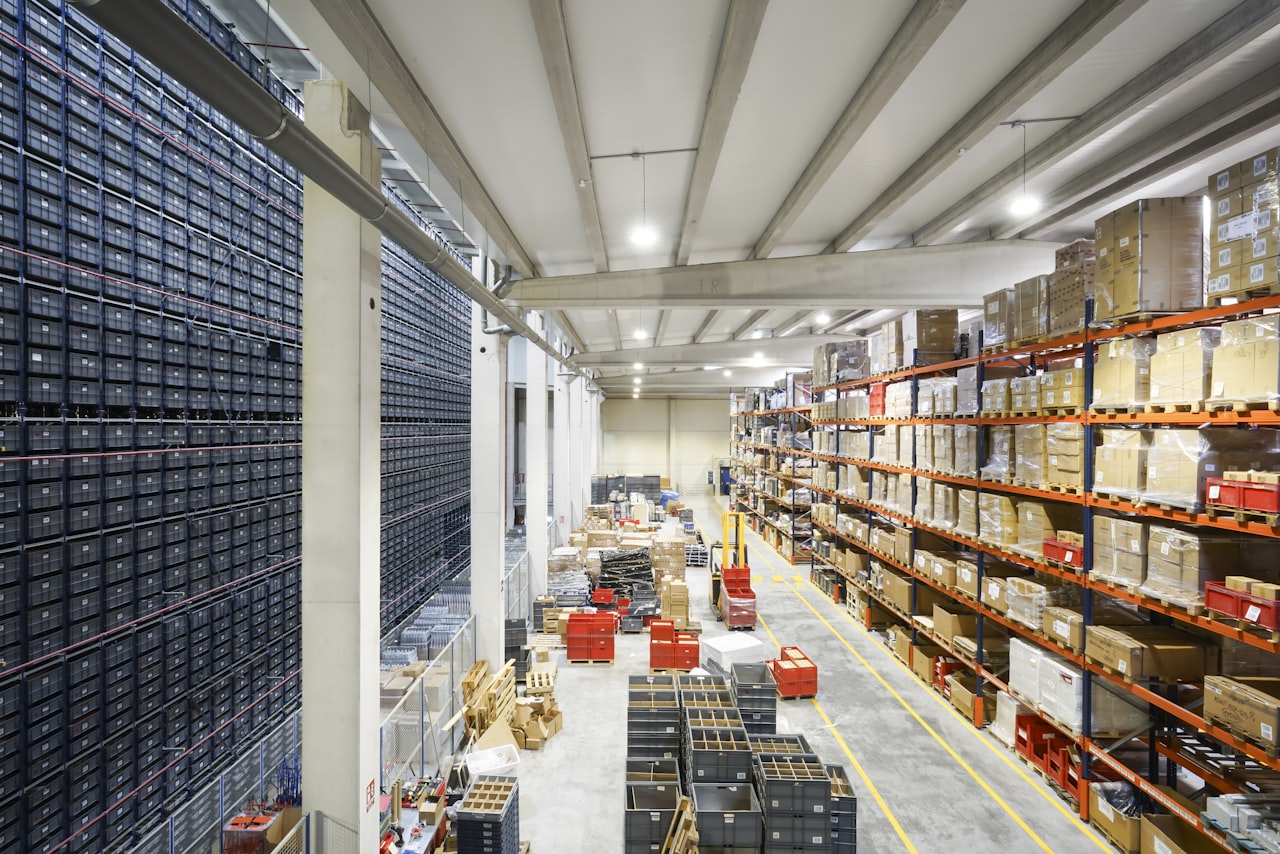
Brazil is shipping into this from strength. Chicken exports hit 2.94 million tonnes and US$5.7 billion in the first half of 2026, up 12.9% and 17% respectively, with June alone at 482,800 t — and China at the top of the destination table.
The 4DW Angle
4D World trades Brazilian poultry off-cuts — paws, feet, wings, MDM and offal — out of its own multi-protein plant, SIF 4075 / Nutre Meat, and through partner plants, with grading and packing specified to the destination rather than to the carcass. If you are buying paws to a Chinese or Southeast Asian spec, tell us the grade and the format; that is the conversation where the money actually is.
▮ Frequently asked questions
Why does China import so many chicken feet from Brazil?
Because Chinese demand vastly exceeds domestic supply. China buys roughly US$2.3 billion of chicken feet a year and more than 40% has come from Brazil, the world's largest chicken exporter. Feet are a culinary staple — dim sum, hotpot, street food — while in most Western markets they have almost no table value.
Are chicken feet worth more than chicken meat?
In China, yes. Wholesale chicken feet have traded at more than twice the wholesale price of regular chicken meat, and prices rose about a third between early 2022 and mid-2024. US paws went from roughly US$1.00/kg in 2014 to US$5.00–6.00/kg by 2023, according to Southern Ag Today.
What are heat-treated chicken paws?
Paws cooked to a defined time-and-temperature standard before export, rather than shipped raw frozen. The format is winning: in 2025 China's heat-treated paw imports rose more than 50% to US$252.8 million while frozen paw imports fell 69.8% to US$75.92 million, per Zia Commodities' May 2026 review.
Related from the desk
SOURCES