
Key Takeaways
- ▸Slaughterhouse blood yields two products: spray-dried plasma and blood meal.
- ▸Plasma is the premium fraction, valued for its bioactive proteins.
- ▸Blood meal is a dense, high-lysine protein source.
- ▸Whether blood becomes food-grade protein or waste is decided in the first hour.
- ▸Spray-dried plasma carries immunoglobulins supporting gut health in weaning piglets.
INGREDIENT SPOTLIGHT · Nº 4
It is the by-product almost nobody photographs, yet it yields one of the most prized functional proteins in modern feed: blood.
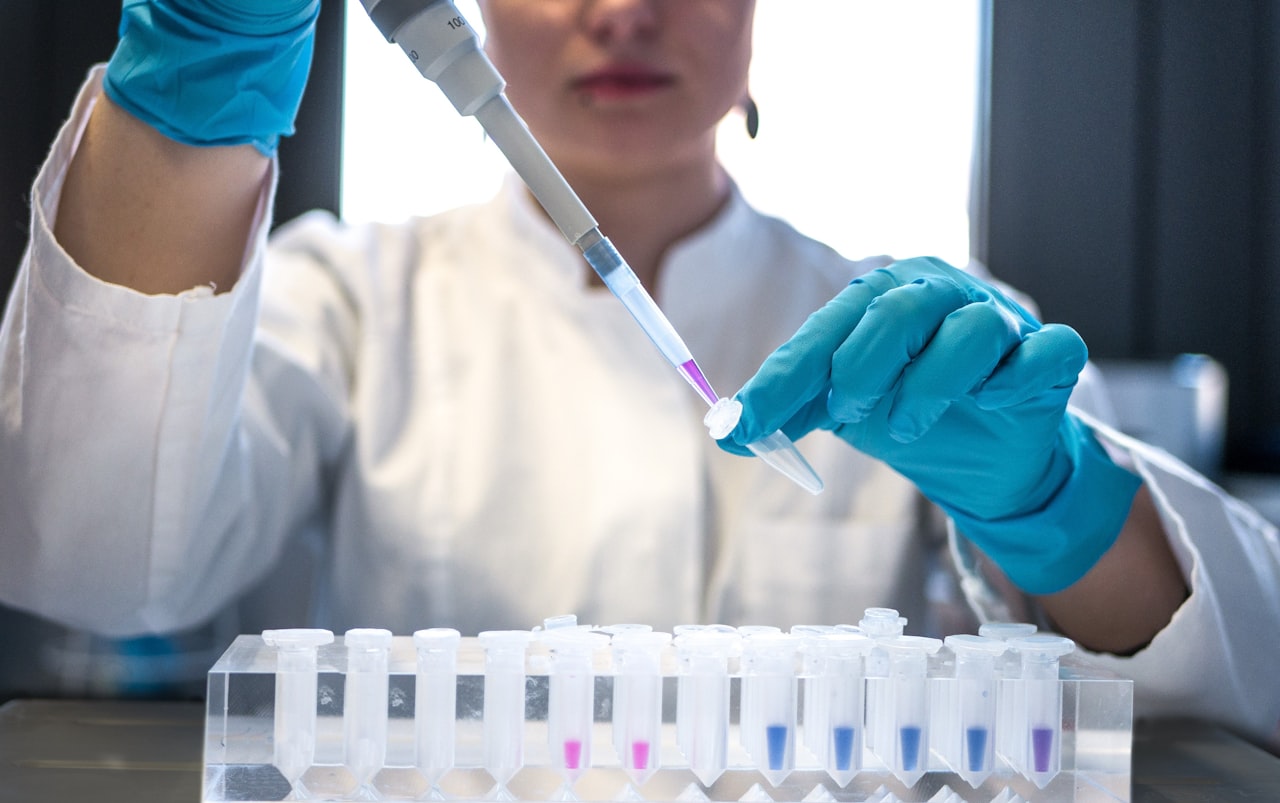
Handled well, blood becomes two distinct commercial products — spray-dried plasma and blood meal. Plasma is the premium fraction, valued not just for its protein content but for the bioactive proteins it carries. Blood meal is a dense, high-lysine protein source. Handled badly, the same blood is simply effluent. The entire difference is made in the first hour after slaughter.
▮ From vein to dryer

The reason plasma commands a premium far above commodity meal is biological, not nutritional bookkeeping. It carries immunoglobulins and other bioactive proteins that support gut health in young animals — which is why it earns a place in expensive weaning and starter diets where cheaper protein simply cannot substitute.
Why plasma is special
Spray-dried plasma is bought for what its proteins do, not just for how much protein it contains. Gut support and palatability in weaning piglets are worth paying for — the value is in the function, and function only survives if the blood was collected and dried correctly.
Nothing leaves a modern slaughterhouse without a market. Even the blood has a spec sheet.
The 4DW Angle
Whole-animal economics only work when the least glamorous streams are handled to the same standard as the prime cuts. A plant disciplined enough to make food-grade plasma is a plant disciplined enough to be trusted on everything else — which is the kind of origin our book is built on.

▮ Frequently asked questions
How is spray-dried plasma made from blood?
Blood is collected hygienically at slaughter, chilled with an anticoagulant, then centrifuged into a clear plasma fraction and red cells. The plasma is spray-dried - fine droplets meet hot air for a fraction of a second, so moisture flashes off while delicate functional proteins survive intact. The cells become blood meal.
Why is spray-dried plasma so valuable in feed?
Spray-dried plasma is bought for what its proteins do, not just how much protein it contains. It carries immunoglobulins and other bioactive proteins that support gut health in young animals, earning a place in expensive weaning and starter diets for piglets where cheaper protein simply cannot substitute.
What is the difference between plasma and blood meal?
Both come from slaughterhouse blood split by a centrifuge. Spray-dried plasma is the premium fraction, valued for bioactive proteins like immunoglobulins that support gut health in weaning piglets. Blood meal is the dried red-cell fraction - a dense, high-lysine protein source. Handled badly, the same blood is simply effluent.
Related from the desk
SOURCES