
Key Takeaways
- ▸A veterinary health certificate is signed by a government vet and travels with cargo.
- ▸It is a state-to-state guarantee, not commercial paperwork.
- ▸The certificate attests animal health status, approved establishments, fitness, treatment history and traceability.
- ▸No agreed bilateral certificate model means no legal trade at all.
- ▸A plant approved for Europe is not automatically approved for Japan.
INSIDE THE INDUSTRY
You can have the product, the buyer, the price and the ship. Move nothing without one piece of paper: the veterinary health certificate. It is the real key to every border in the animal protein trade.
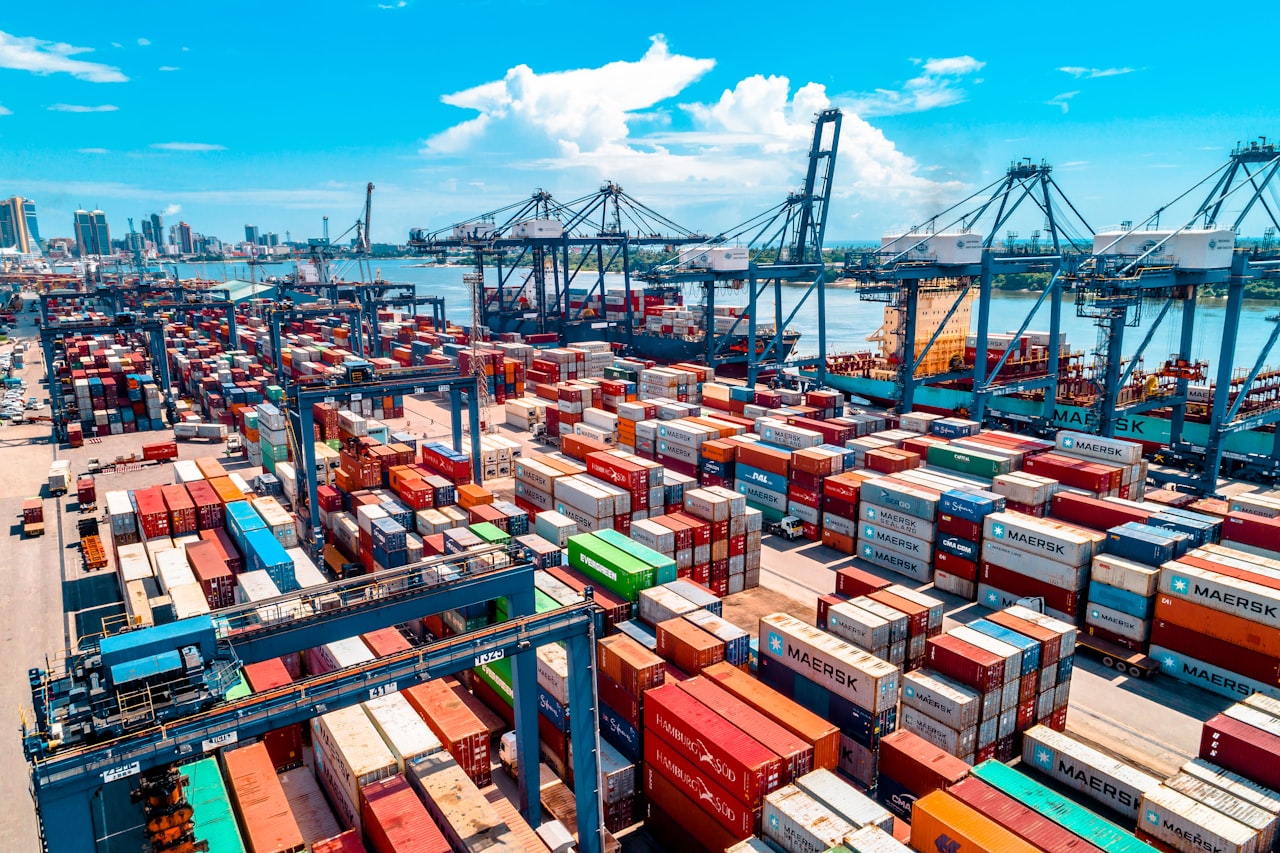
A health certificate (often a CSE or HC) is an official document, signed and stamped by a government veterinarian, that travels with the cargo and vouches for it to the importing country's authorities. It is not commercial paperwork — it is a state-to-state guarantee.
What a certificate actually attests
The animal health status of the region of origin; that the product comes from officially approved and listed establishments; that it is fit for its intended use; treatment and temperature history; absence of prohibited substances; and full traceability back to the plant and lot.
▮ How a market really opens
A trade deal sets the tariff. A certificate model decides whether a single box can legally cross the line. The second one is the market.
The 4DW Angle
Negotiating and holding these certificate models — plant by plant, market by market — is the unglamorous backbone of our access. Every new bilateral model our regulatory team helps unlock is quite literally a new lane opening for South American protein. It is where compliance turns into commercial reach.
▮ Frequently asked questions
What is a veterinary health certificate?
A veterinary health certificate is an official document, signed and stamped by a government veterinarian, that travels with a cargo and vouches for it to the importing country's authorities. It is not commercial paperwork but a state-to-state guarantee, attesting animal health status, approved establishments, fitness for use and full traceability.
How does a new export market actually open?
A market opens in four steps: exporting and importing veterinary authorities negotiate a bilateral certificate model; plants are specifically listed for that destination; an official vet inspects and issues a numbered certificate per consignment; and the certificate is verified at the border. No agreed model means no legal trade.
Does one plant approval cover every export market?
No. Only plants specifically listed for a given destination can be certified to ship there - a plant approved for Europe is not automatically approved for Japan. Each bilateral certificate model must be negotiated separately, which is why holding these models plant by plant is the real backbone of market access.
Related from the desk
SOURCES