
Key Takeaways
- ▸The OECD-FAO Agricultural Outlook 2026-2035 projects global meat output up 13% by 2035.
- ▸Most of the extra output comes from productivity and intensification, not larger herds.
- ▸Better genetics, feed and animal health mean more meat per animal.
- ▸Demand growth is concentrated in Asia, sub-Saharan Africa and Latin America.
- ▸The report launched on 29 June 2026.
MARKET PULSE · Nº 9
Once a year the OECD and FAO publish the closest thing the food world has to a ten-year weather forecast. The 2026 edition landed today — and the arrow points up.

The OECD-FAO Agricultural Outlook 2026-2035, launched June 29, projects global meat production rising 13% by 2035. Crucially, the report expects most of that extra output to come from productivity and intensification — more meat per animal, through better genetics, feed and animal health — rather than simply from larger herds. The growth is concentrated in Asia, sub-Saharan Africa and Latin America.
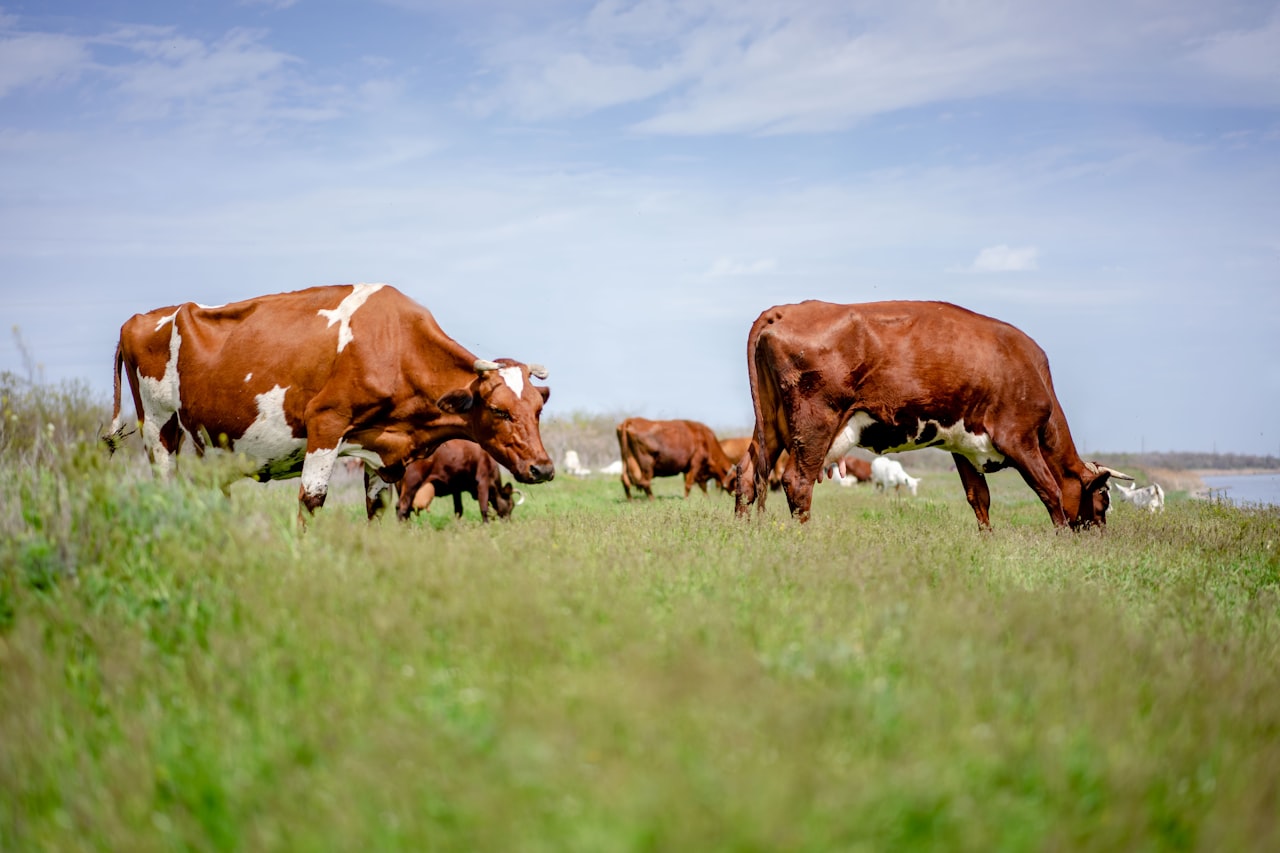
For anyone who trades protein, the geography is the actionable part. Demand growth clusters in regions that cannot fully feed themselves, while the exportable surplus stays concentrated in a handful of origins — South America foremost among them. A decade of the same mismatch that defines the business today, only larger.
Read the driver, not just the number
The Outlook expects the extra meat to come mainly from higher productivity, not simply bigger herds. For exporters, that quietly rewards origins that can lift output without lifting land use — the sustainability story and the supply story becoming the same story.
Demand is a map, not a total. The next decade of protein growth has an address: Asia, Africa and Latin America.
The 4DW Angle
Our book already runs from a surplus origin to exactly the deficit regions this Outlook flags. A ten-year forecast of widening, geographically concentrated demand is, in plain terms, a ten-year case for the diversified South-America-to-the-world model we operate.
▮ Frequently asked questions
How much will global meat production grow by 2035?
The OECD-FAO Agricultural Outlook 2026-2035, launched 29 June, projects global meat production rising 13% by 2035. Crucially, most of that extra output is expected to come from productivity and intensification - more meat per animal through better genetics, feed and health - rather than simply larger herds.
Where will most new meat demand come from?
Demand growth clusters in Asia, sub-Saharan Africa and Latin America, according to the OECD-FAO Outlook 2026-2035. These are largely regions that cannot fully feed themselves, while the exportable surplus stays concentrated in a handful of origins - South America foremost among them - extending today's supply-demand mismatch for another decade.
Will more meat come from bigger herds or productivity?
The OECD-FAO Outlook expects the extra meat to come mainly from higher productivity, not simply bigger herds - better genetics, feed and animal health lifting output per animal. For exporters, that quietly rewards origins that can raise output without raising land use, making the sustainability story and the supply story the same story.
Related from the desk
SOURCES