
Key Takeaways
- ▸Gelatin is collagen partly broken down and purified into a protein.
- ▸It gels when cool and melts when warm, a reversible, versatile trick.
- ▸Gelatin makes up roughly 66.4% of the collagen product market.
- ▸It is extracted mainly from bovine and porcine hides and bones.
- ▸Uses span gummies, capsule shells, film emulsion, cosmetics and adhesives.
INGREDIENT SPOTLIGHT · Nº 7
You have almost certainly eaten it today, and you may have swallowed it in a pill and watched a film shot on it — all without noticing. Gelatin is one of the most quietly ubiquitous ingredients on earth.
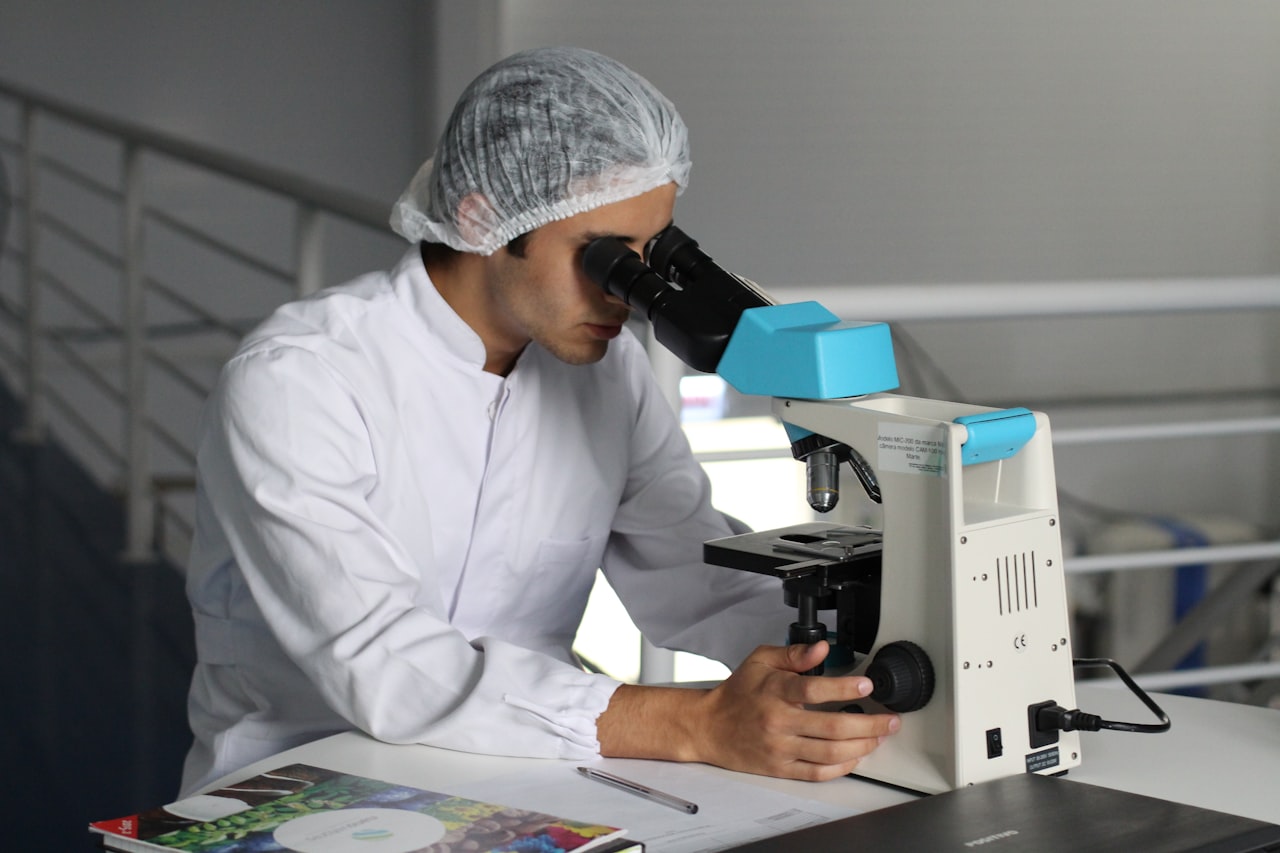
Gelatin is collagen that has been partly broken down and purified into a protein that gels when cool and melts when warm. That single reversible trick — set, melt, set again — is what makes it so useful across an astonishing range of industries.
▮ Where it turns up
| Sector | Where gelatin shows up |
|---|---|
| Food | Gummies, marshmallows, dairy desserts, and as a clarifying agent |
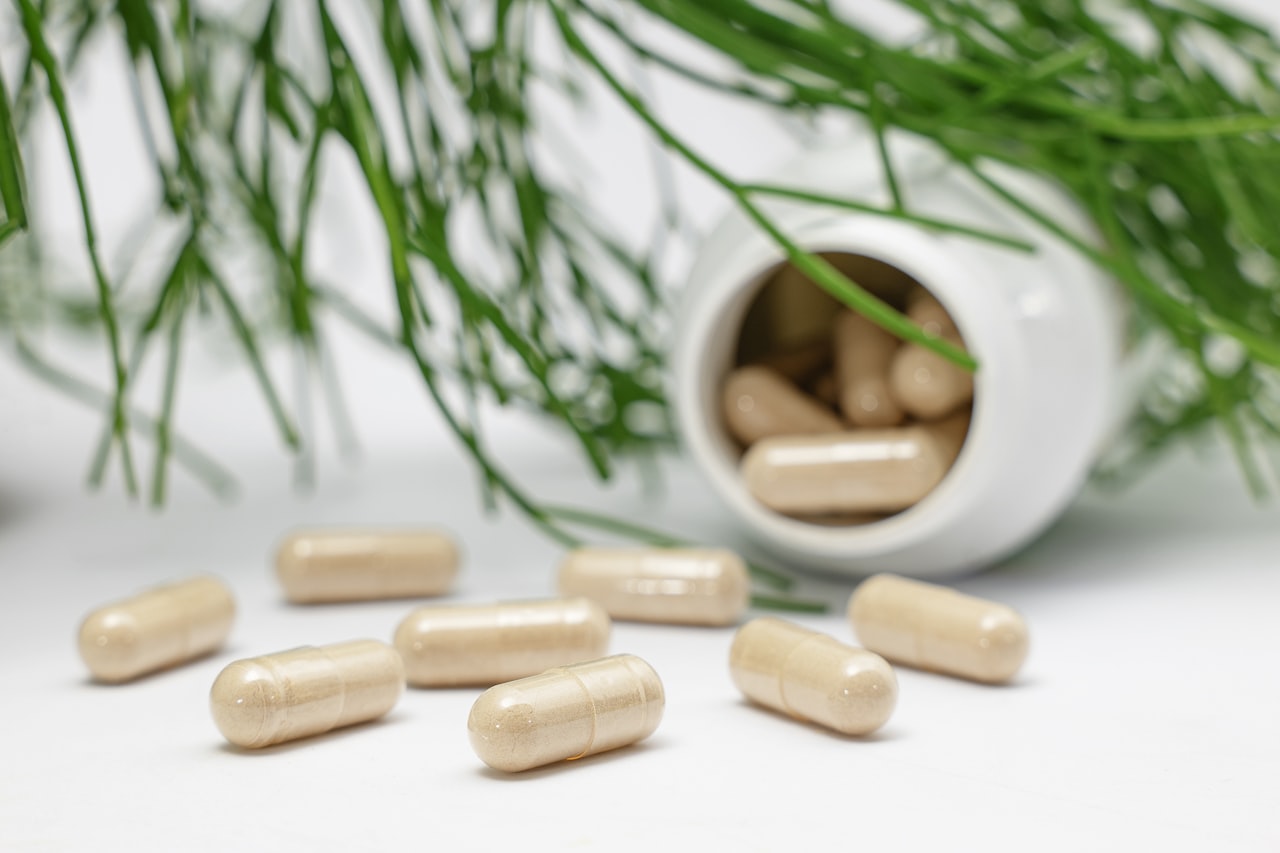
| Pharma | Hard and soft capsule shells, tablet coatings |
| Photography | The light-sensitive emulsion layer of traditional film |
| Other | Cosmetics, technical adhesives, nutrition products |
A single protein doing structural work across food, health and imaging.
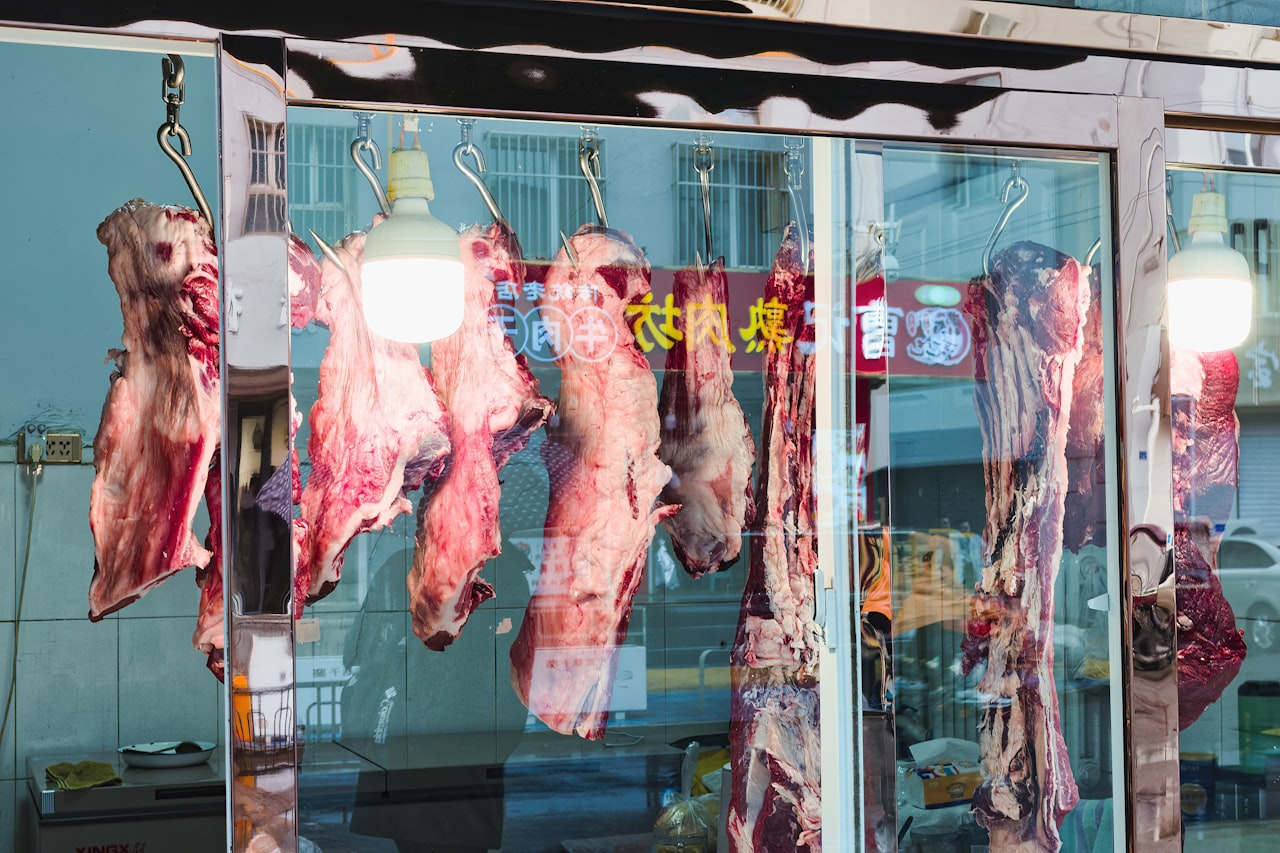
Almost all of it comes from one place: the by-product stream of the meat industry. Gelatin is extracted mainly from bovine and porcine hides and bones — which is why halal, kosher and species considerations sit at the centre of how it is sourced and labelled.
Two-thirds of a market
Gelatin makes up roughly 66.4% of the collagen product market — the workhorse form, long before collagen peptides became a wellness headline. Its raw material is mostly bovine and porcine hides and bones.
You have probably eaten it, swallowed it in a capsule, and watched a film shot on it — usually without ever knowing.
The 4DW Angle
Hides, bones and connective tissue are exactly the streams that feed gelatin — the by-products of the same animals our food and pet-food lines already move. It is the whole-animal economy in one ingredient: nothing wasted, everything valued.
▮ Frequently asked questions
What is gelatin made from?
Gelatin is collagen that has been partly broken down and purified into a protein. Almost all of it comes from the meat industry's by-product stream, extracted mainly from bovine and porcine hides and bones. That origin is why halal, kosher and species considerations sit at the centre of how it is sourced and labelled.
Where is gelatin used?
Gelatin works across food, health and imaging. In food it sets gummies, marshmallows and dairy desserts and clarifies drinks; in pharma it forms hard and soft capsule shells and tablet coatings; in photography it was the light-sensitive emulsion layer of traditional film. It also turns up in cosmetics, adhesives and nutrition products.
How much of the collagen market is gelatin?
Gelatin makes up roughly 66.4% of the collagen product market, the workhorse form, long before collagen peptides became a wellness headline. Its raw material is mostly bovine and porcine hides and bones, and it gels when cool and melts when warm, a reversible trick that makes it useful across many industries.
Related from the desk
SOURCES