
Key Takeaways
- ▸The FAO Meat Price Index reached 130.5 in May 2026, up 6.3% year on year
- ▸Brazil's May beef exports hit 297,000 tonnes, up 17.8%
- ▸May beef shipments were worth US$1.8bn at about $6,100 a tonne
- ▸53% of Brazil's May beef went to China
MARKET PULSE · Nº 3
The single most-watched thermometer for global meat prices ticked up again in May: the FAO Meat Price Index reached 130.5 points, up 6.3% on a year ago and sitting among the highest readings the series has ever printed.
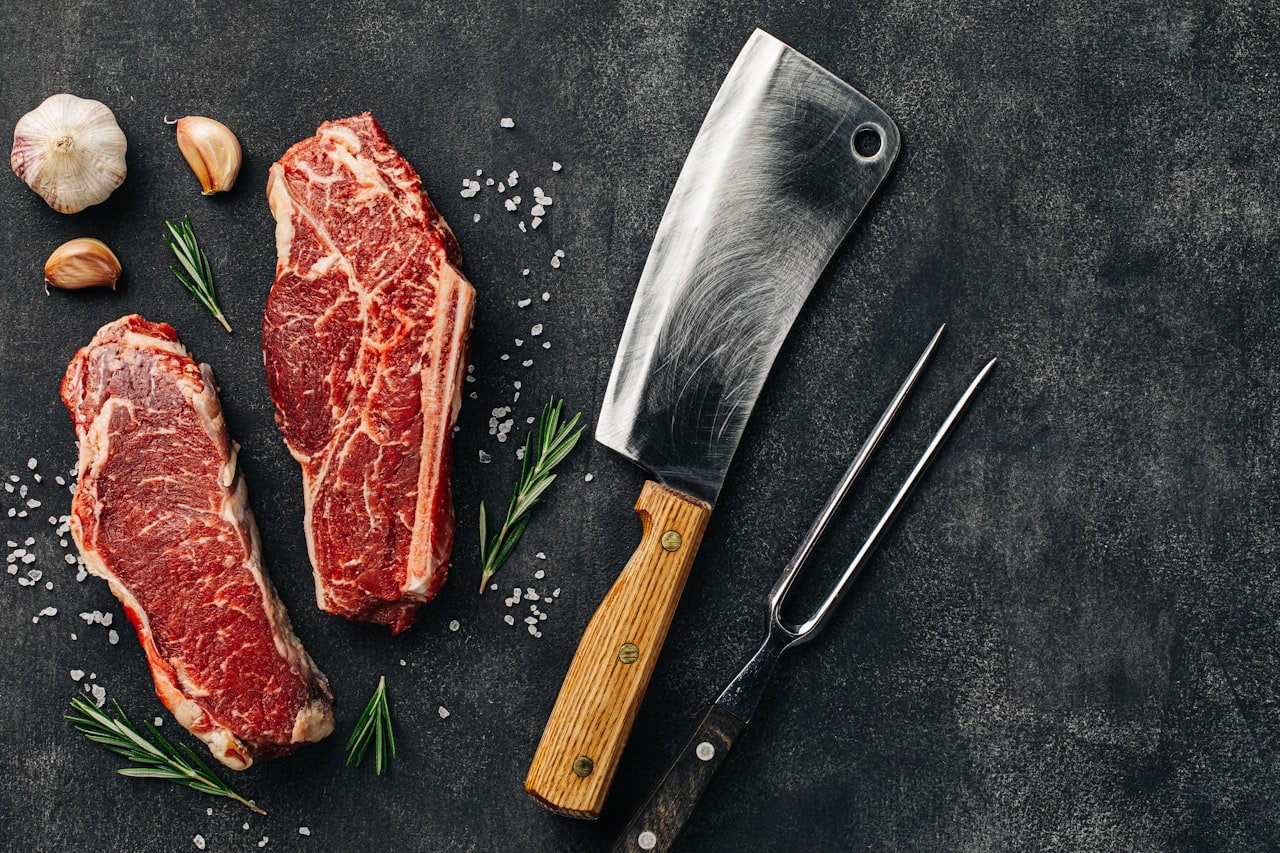
Meat is doing the heavy lifting inside the broader food index. Beef leads, tightened by the historic shortage of cattle in the United States; poultry is firm on the back of relentless Brazilian export demand. When the world's cheapest and most expensive proteins both push higher at once, that is a supply story, not a spike.
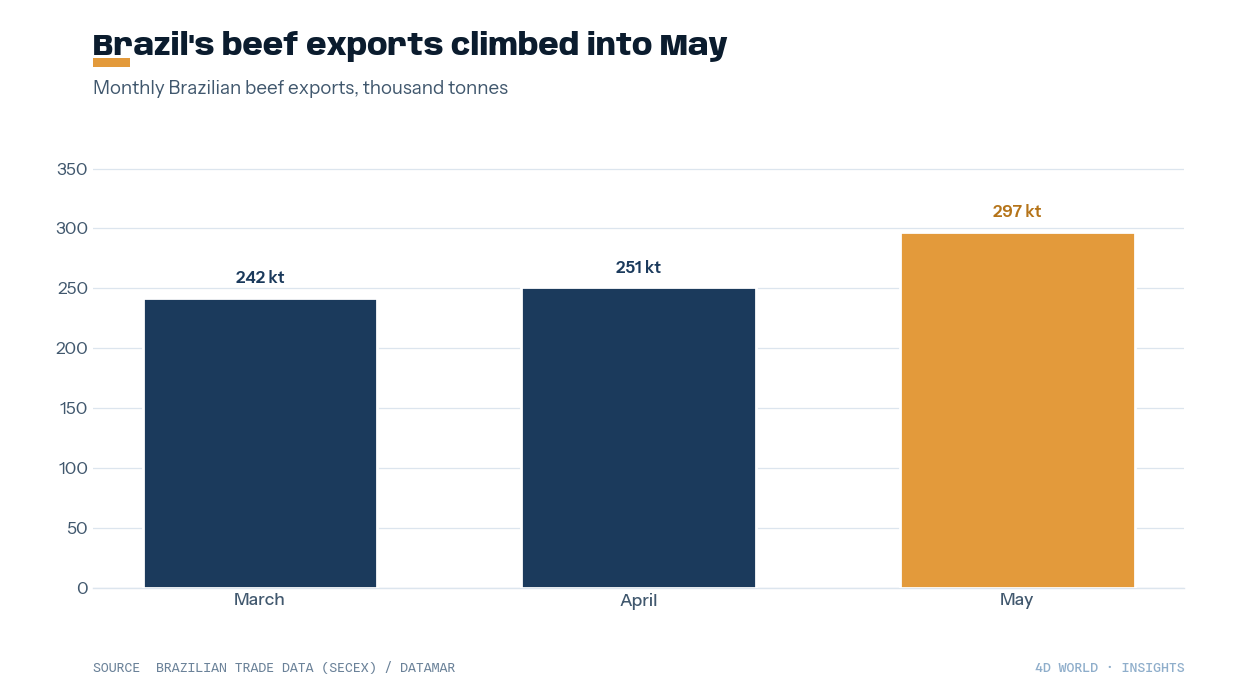
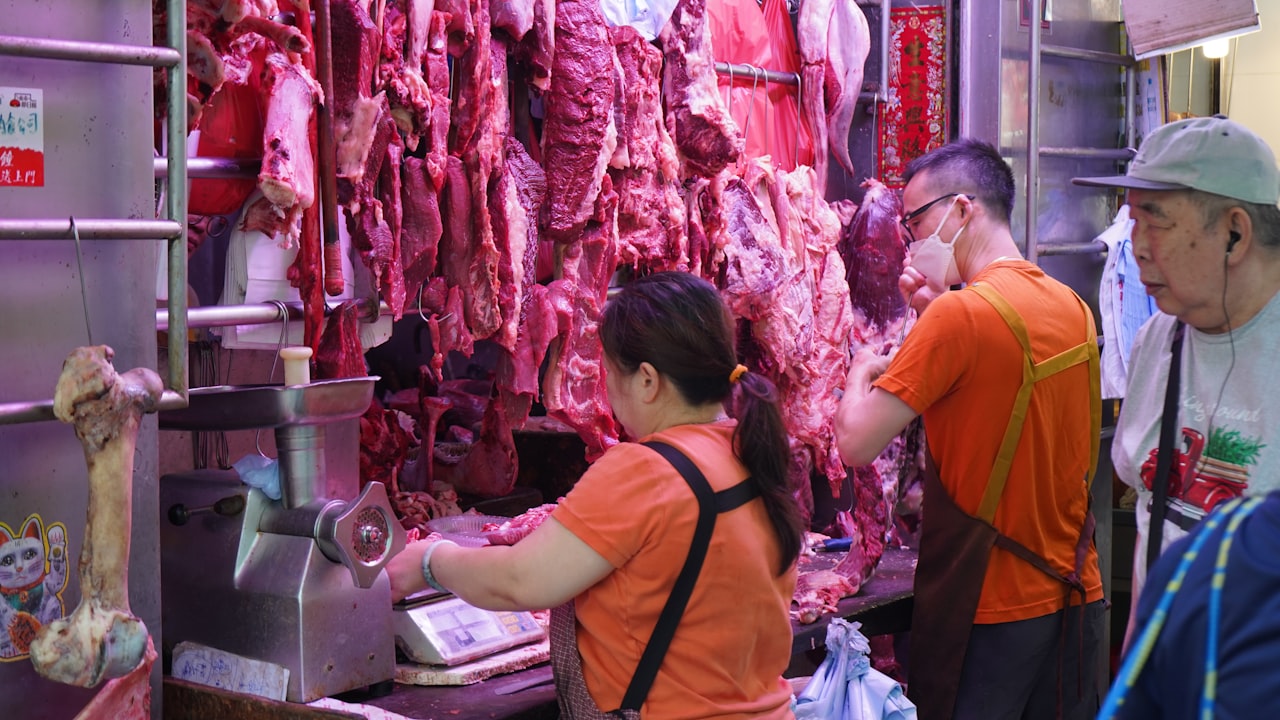
Brazil's May beef exports hit 297,000 tonnes, up 17.8% year on year, worth US$1.8 billion at an average of roughly $6,100 a tonne. More than half — 53% — went to China. Volume and value climbing together, with prices this firm, is the definition of a seller's market.
Watch the poultry line
Poultry prices are holding firm precisely because Brazilian shipments stay strong. In a tight beef world, chicken absorbs the demand that beef prices out — which keeps a floor under poultry too. The proteins move as a system, not in isolation.
When both the cheapest and the priciest protein rise together, stop calling it a spike and start calling it the cycle.
The 4DW Angle
We read the FAO index the way a sailor reads a barometer: not to predict tomorrow, but to know which way the pressure is building. A book spread across proteins and destinations turns a rising index from a cost into an opportunity. More on the numbers every Monday.
▮ Frequently asked questions
What was the FAO Meat Price Index in May 2026?
The FAO Meat Price Index reached 130.5 points in May 2026, up 6.3% year on year and among the highest readings the series has ever printed. Beef leads, tightened by the historic US cattle shortage, while poultry stays firm on the back of relentless Brazilian export demand.
How much beef did Brazil export in May 2026?
Brazil exported 297,000 tonnes of beef in May 2026, up 17.8% year on year, worth US$1.8 billion at roughly $6,100 a tonne. More than half — 53% — went to China. It was the strongest month of the quarter, after 242,000 tonnes in March and 251,000 in April.
Why are global meat prices rising in 2026?
Global meat prices are rising on supply, not a spike. Beef is tightened by a historic US cattle shortage, and poultry holds firm on strong Brazilian export demand. When both the world's cheapest and priciest proteins climb together, it signals the cattle cycle turning, not a temporary blip.
Related from the desk
SOURCES