
- Nestle Purina committed CHF 520 million to a wet pet food plant in Mantova, Italy on 20 July 2026.
- Vafo Group took 12 hectares in Slupsk, Poland for a EUR 14 million pouch line, live by end-2027.
- MHP opened Croatia's first wet pet food factory at Zlatar Bistrica, a EUR 43 million build.
- FEDIAF counts 306 million pets and EUR 29.4 billion of European pet food sales on 8.6 million tonnes.
- Wet food is meat-heavy: every new line is a standing order for Category 3 raw material.
Europe Pet Food Watch Nº 14 · 11 August 2026
Three pet food factories were announced or inaugurated in Europe inside ten weeks, in three different countries, by three companies with nothing in common. All three make the same product: wet food.
Capital expenditure is the most honest forecast a company ever publishes. A marketing deck chases a trend for a season; a plant producing from 2029 is a bet somebody defends to a board. So when Nestle Purina, a Czech mid-cap and a Ukrainian poultry group commit money to the same format in the same quarter, the format is saying something the retail data has not caught up to.
Ten weeks, three build-outs
Nestle announced the Mantova investment on 20 July 2026: an integrated site dedicated to super-premium wet food for cats and dogs in single-serve formats, with operations expected to start in 2029. Two weeks earlier, on 6 July, Vafo Group confirmed it had secured 12 hectares inside the Slupsk Special Economic Zone in northern Poland for a EUR 14 million (US$16 million) pouch facility, capable of up to 100 million units a year in its first phase and creating more than 50 jobs. And on 18 May, MHP - through its pet food arm - inaugurated Croatia's first wet pet food factory at Zlatar Bistrica, a EUR 43 million (US$47.5 million) build launching a brand called Proof.
Why wet, and why now
The backdrop is a market that grew without anybody shouting about it. FEDIAF's latest figures, covering 2024 and published in June 2026, put Europe at 306 million pets in 140 million households - 49% of all European households - buying EUR 29.4 billion of pet food across roughly 8.6 million tonnes. That is a mature market by volume. It is not a mature market by value per kilo, and that gap is precisely what wet food is built to close.
| Project | Announced | What it signals |
|---|---|---|
| Nestle Purina, Mantova | 20 Jul 2026 | Super-premium single-serve at multinational scale |
| Vafo, Slupsk | 6 Jul 2026 | Pouch capacity built for private label and brands alike |
| MHP, Zlatar Bistrica | 18 May 2026 | A meat group integrating forward into pet food |
| French sector data | 3 Aug 2026 | 1.844m tonnes, EUR 4.8bn, EUR 225m reinvested |
France makes the point in a single line. French producers turned out 1.844 million tonnes of pet food in 2025 worth EUR 4.8 billion, kept 52% at home and exported the rest, and ploughed EUR 225 million back into research and facilities - figures reported on 3 August 2026. Europe is not just consuming pet food. It is manufacturing it for export, and it is upgrading the lines it manufactures on.
The raw-material line nobody puts in the press release
Here is the part that matters upstream. Dry food is an extrusion business: cereal, meal, fat, a controlled moisture curve. Wet food is a meat business. A retorted pouch or tray - chunks in jelly, pate, a high-meat recipe - needs raw material with consistent species declaration, consistent lean-to-fat ratio, predictable particle behaviour after cooking, and paperwork that survives an audit. MHP said the quiet part out loud when it framed its Croatian plant around high meat content, grain-free recipes and controlled-origin raw materials from its own integrated poultry supply.
18 MAY 2026
MHP inaugurates Zlatar Bistrica, Croatia's first wet pet food plant, and launches the Proof brand.
6 JUL 2026
Vafo Group secures 12 hectares in the Slupsk Special Economic Zone for pouch production.
20 JUL 2026
Nestle commits CHF 520 million to Mantova, its wet super-premium bet, producing from 2029.
3 AUG 2026
French sector figures land: 1.844m tonnes produced, EUR 225 million reinvested in plant and R&D.
"Petcare is one of Nestle's four focus businesses, and this investment is a clear signal of our continued growth ambition for the category."
Rafael Lopez, CEO, Nestle Purina PetCare Europe - 20 July 2026
Read it this way: a wet line commissioned in 2027 or 2029 does not buy raw material in 2027 or 2029. It qualifies suppliers years earlier, because a retort recipe cannot be reformulated the week before launch. The sourcing conversations behind Mantova, Slupsk and Zlatar Bistrica are happening now.
What a supplier should take from it
Three lessons sit in these announcements. First, geography is shifting east and south: Poland and Croatia are winning new capacity, not just Germany and France. Second, the money is going into formats, not tonnage - Mantova is explicitly super-premium and single-serve, a margin play. Third, integration is spreading: MHP is a poultry group that chose to own the pet food step rather than sell into it, and Vafo split into separate branded, private-label and production entities under its Vafo 2030 plan so the manufacturing arm can sell capacity to anyone.
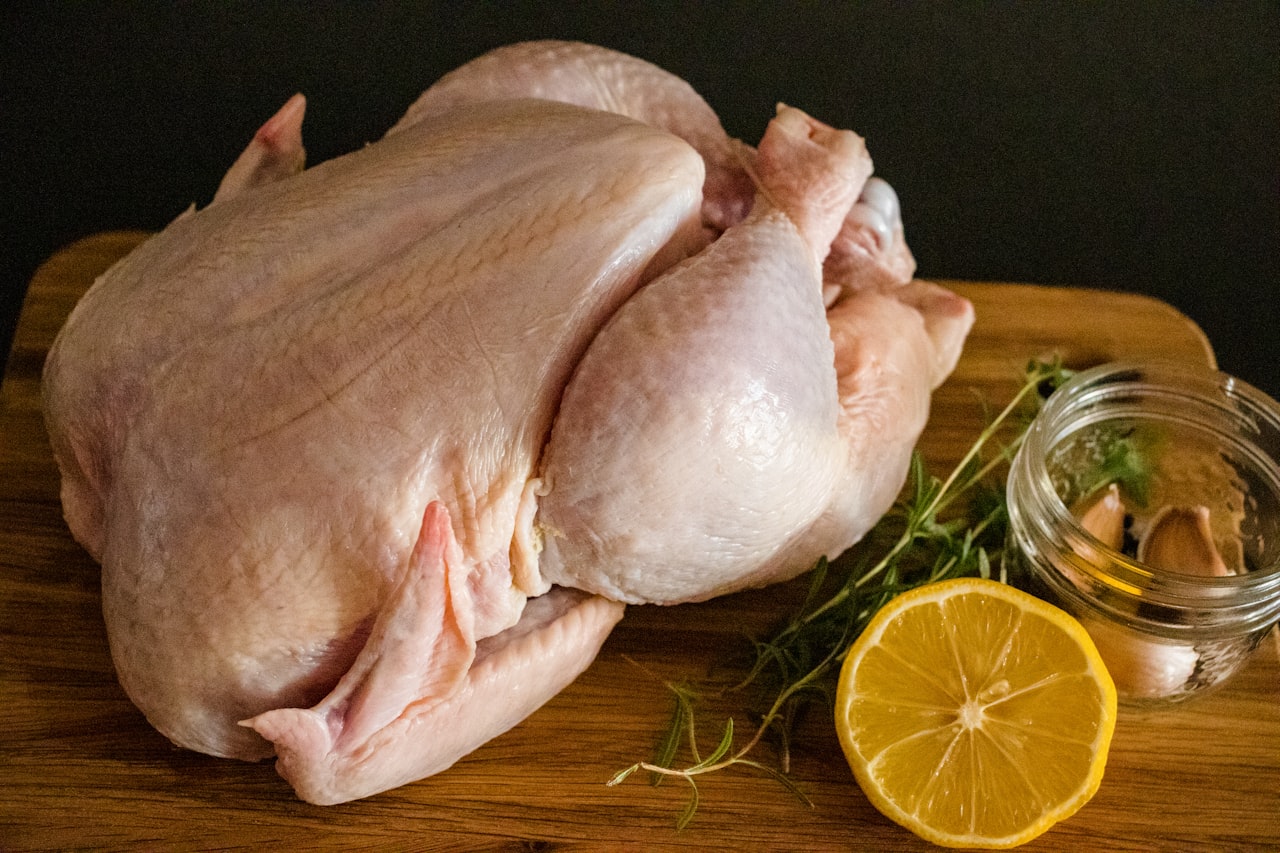
New European wet capacity is good news for raw material suppliers only if the supplier can survive the qualification process that comes with it. A super-premium single-serve recipe is audited on origin, species purity, cold-chain integrity and documentation - and the buyer will ask for all four before the first container, not after.
That is why 4D World runs its Category 3 pet food business out of SIF 4075 / Nutre Meat with EU habilitations, sanitary certification and destination-specific documentation maintained ahead of demand rather than in response to it. When a plant in Slupsk or Mantova opens its supplier list, the exporters who make the shortlist are the ones already approved, already audited and already shipping consistent specification - the same discipline that lets one carcass serve human food, CAT-3 pet food and pharmaceutical streams without compromising any of them.
Frequently asked questions
Why is Europe building so many wet pet food plants in 2026?
Because value is growing faster than volume. Europe's pet food market is already mature at roughly 8.6 million tonnes and EUR 29.4 billion, per FEDIAF's 2024 figures published in June 2026, so growth now comes from premium formats. Wet single-serve pouches and trays carry higher value per kilo than dry extruded food, which is where new capex is going.
How big is the European pet food market?
Europe has 306 million pets in 140 million households - about 49% of all households - and annual pet food sales of EUR 29.4 billion across roughly 8.6 million tonnes, according to FEDIAF statistics for 2024 published in June 2026. France alone produced 1.844 million tonnes worth EUR 4.8 billion in 2025.
What raw material does wet pet food use?
Wet pet food is built on Category 3 animal by-products - material from animals fit for human consumption at slaughter, regulated in the EU under Regulation (EC) No 1069/2009. Recipes with high declared meat content, like the grain-free range MHP launched in Croatia in May 2026, need consistent species declaration and controlled origin.
Sources
- Nestle - "Nestle Purina PetCare: CHF 520 million investment in new integrated pet food plant in Italy", 20 July 2026
- Petfood Industry - "Vafo Group secures space for new wet pet food plant in Poland", 6 July 2026
- Petfood Industry - "MHP opens Croatia's first wet pet food facility, launches Proof", 18 May 2026
- FEDIAF - European pet food statistics (2024 data, published June 2026)