Key Takeaways
- ▸Chicken liver drives pet food palatability via free amino acids and nucleotides
- ▸It concentrates vitamin A, B-vitamins and iron
- ▸Three commercial formats: frozen blocks, freeze-dried/air-dried and hydrolyzed digest
- ▸A few percent of liver can decide whether a bowl is finished
INGREDIENT SPOTLIGHT · Nº 1
Ask any formulator what makes a kibble irresistible and the honest answer is usually one word: liver.
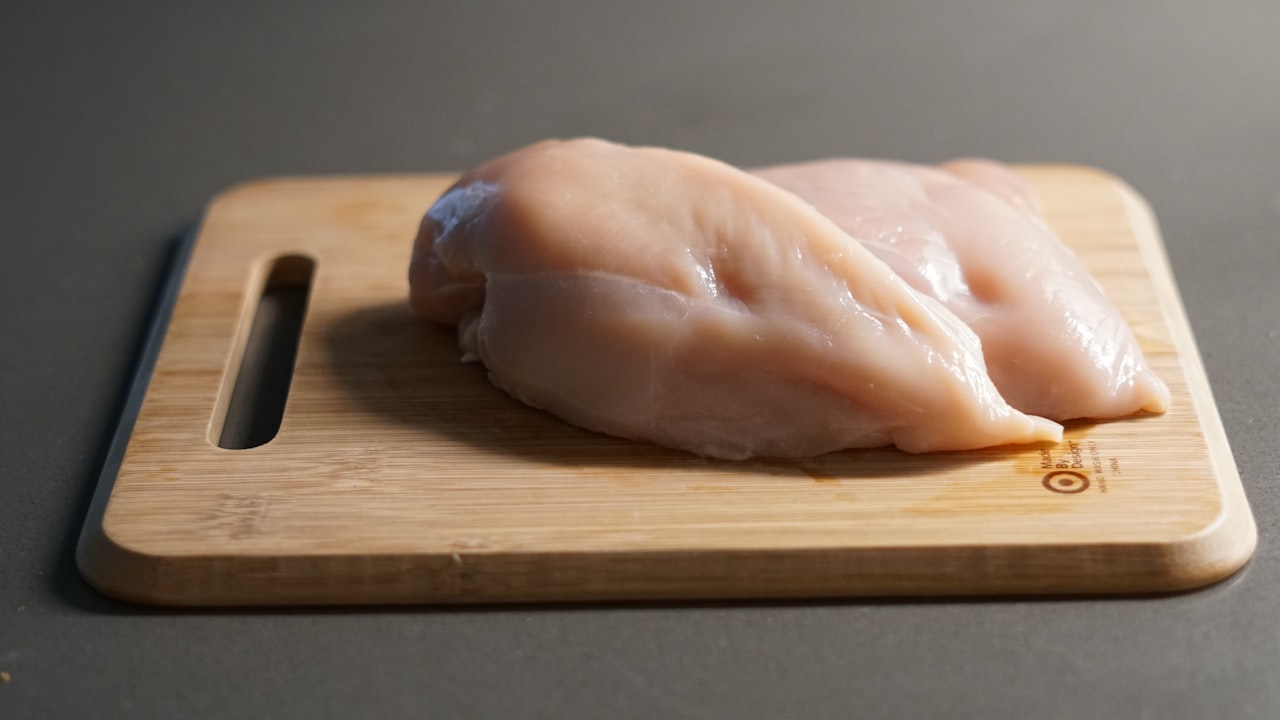
Chicken liver is the pet food industry's quiet celebrity. It concentrates vitamin A, B-vitamins, iron and — the part pets care about — free amino acids and nucleotides that read as pure umami to a dog or cat. A few percent of liver can decide whether a bowl is finished or abandoned.
▮ Three commercial lives of one organ
Marketing sells the first bag. Liver sells the second.
Spec notes buyers ask about
Color and bile-free trimming, microbiology, freshness at freezing, and — for Europe — CAT 3 status with full traceability to approved slaughterhouses. Consistency across containers is what separates a supplier from a source.
The 4DW Angle
Poultry organs are a core lane for our desk — liver, hearts and gizzards moving from South American plants to pet food manufacturers in Europe and beyond. Yearly programs beat spot buys on both price and consistency; ask us how the math works.
▮ Frequently asked questions
Why is chicken liver used in pet food?
Chicken liver drives palatability: it concentrates free amino acids and nucleotides that read as pure umami to dogs and cats, plus vitamin A, B-vitamins and iron. A few percent of liver can decide whether a bowl gets finished or abandoned, which makes it a formulator's quiet favorite.
What forms of chicken liver does the pet food industry buy?
The industry buys chicken liver in three forms: frozen blocks, either IQF or plate-frozen and shipped at -18°C, for wet and fresh food; freeze-dried or air-dried for premium single-ingredient treats; and hydrolyzed digest, broken down into palatant coatings that are sprayed onto dry kibble.
What specs do buyers check on chicken liver?
Buyers check color, bile-free trimming, microbiology and freshness at freezing. For Europe, they also require CAT 3 status with full traceability back to approved slaughterhouses. Consistency across containers is what separates a reliable supplier from a one-off source, and yearly programs tend to beat spot buys.
Related from the desk
SOURCES