
Market Pulse · Monday 10 August 2026
Key Takeaways
- USDA counted 28.5 million US beef cows on 1 July 2026 — the smallest July figure on record.
- The 2026 calf crop, 32.5 million head, is the ninth consecutive annual decline.
- Beef replacement heifers rose 3% to 3.8 million: cattle withheld from slaughter, not added to it.
- US beef imports hit 1.7 billion pounds in Q1 2026, up more than 15% year on year.
- Weekly US cattle slaughter is running near 512,000 head, about 4.6% below last year.
The United States has finally started rebuilding its cattle herd. That is the good news. The arithmetic of a rebuild is that it makes beef scarcer before it makes beef plentiful — and for the next two years, somebody else has to ship the difference.
USDA's National Agricultural Statistics Service released its mid-year Cattle report on 24 July 2026, and the headline read like stabilisation: 94.2 million head of cattle and calves on 1 July, up 200,000 head, or 0.2%, from a year earlier. First increase in years. Cue the “the cycle has turned” headlines.
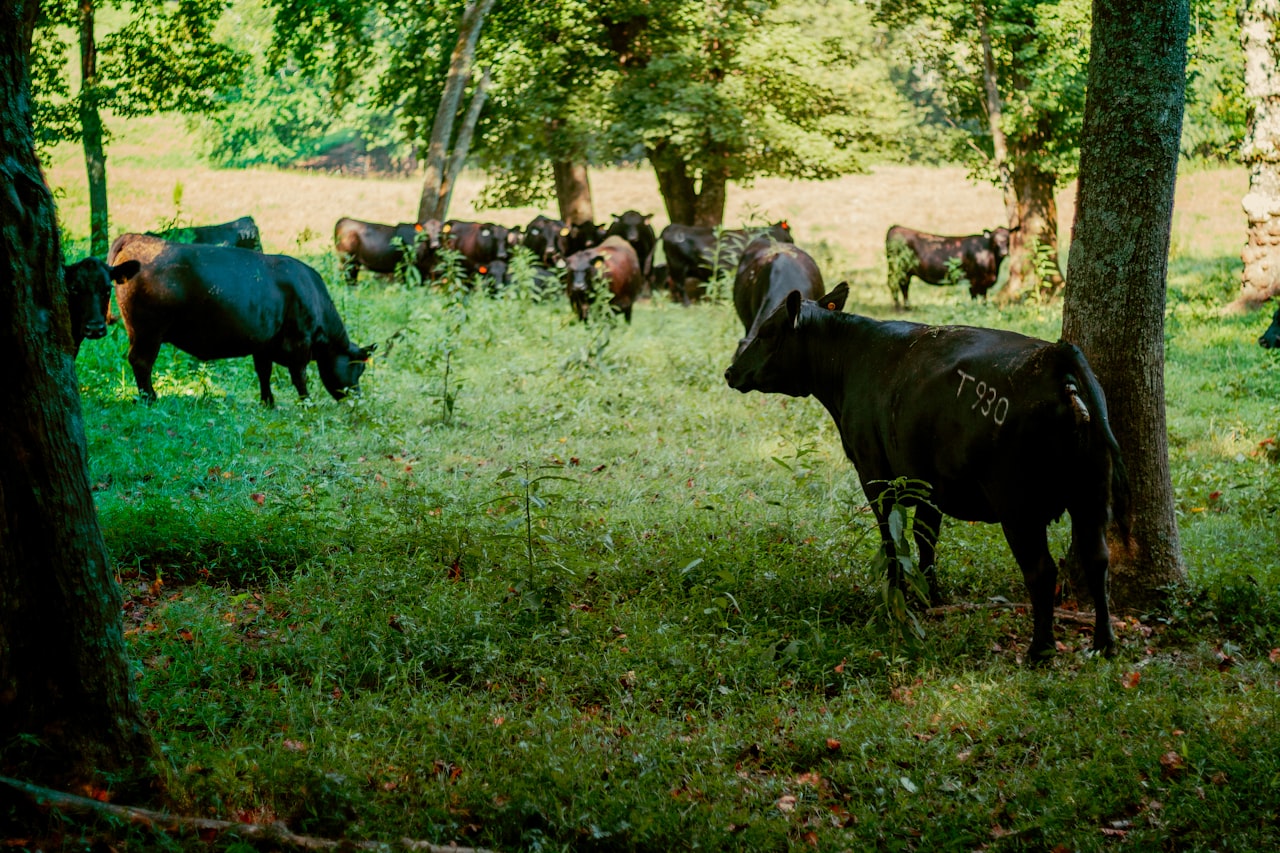
Read one line down and the picture changes. The beef-cow herd — the engine that actually produces calves — fell 1% to 28.5 million head, the smallest 1 July inventory ever recorded. The 2026 calf crop is forecast at 32.5 million head, down 2% and the ninth straight year of contraction. What went up was the count of beef replacement heifers weighing 500 pounds or more: 3.8 million head, up 3%.
Why “stabilising” means “tighter” for two more years
A heifer kept for breeding is a heifer that does not go to a packer. Every animal moved into the replacement column is beef subtracted from this year's supply in exchange for calves that will not reach a feedlot until 2028 and will not become boxed beef until 2029. Herd rebuilds are, mechanically, a supply squeeze wearing an optimistic hat.
28.5m
US beef cows, 1 Jul 2026 — record low, −1% y/y
32.5m
2026 calf crop — ninth annual decline
3.8m
Beef replacement heifers — +3%, held back from slaughter
13.2m
Cattle on feed, 1 Jul 2026, all US feedlots
The kill floor is already showing it. USDA's Agricultural Marketing Service put estimated cattle slaughter through Thursday of the week ending 24 July 2026 at 512,000 head, against 536,919 head actually slaughtered in the same period a year earlier — roughly 4.6% fewer animals. The week before ran 528,000 head versus 553,766 head. The comprehensive boxed beef cutout for all fed steer and heifer sales came in at $375.01/cwt for the week ending 17 July and $369.77/cwt the following week: high, and only barely bending.
The import pull is already record-sized
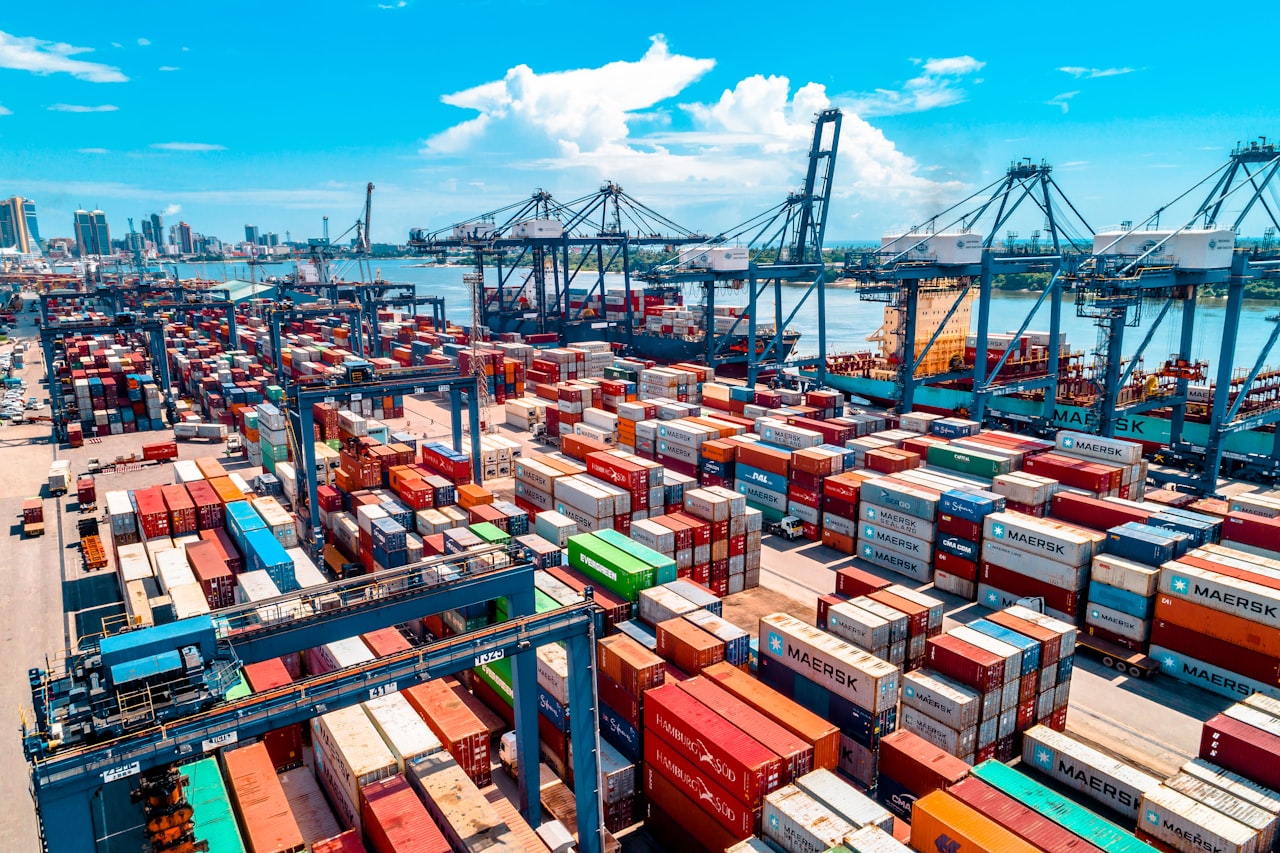
When domestic grinding beef gets scarce, the United States buys it. First-quarter 2026 beef imports reached 1.7 billion pounds, more than 15% above the same quarter of 2025 — a record pace. Brazil led at 394 million pounds, up 8%; Australia followed at 334 million pounds, up 12%; Mexico came third at 197 million pounds, up 23%. Over the same quarter US beef exports fell nearly 18%, to 586 million pounds.
| Supplier to the US, Q1 2026 | Volume | y/y |
|---|---|---|
| Brazil | 394m lb | +8% |
| Australia | 334m lb | +12% |
| Mexico | 197m lb | +23% |
| Total US beef imports | 1.7bn lb | +15% |
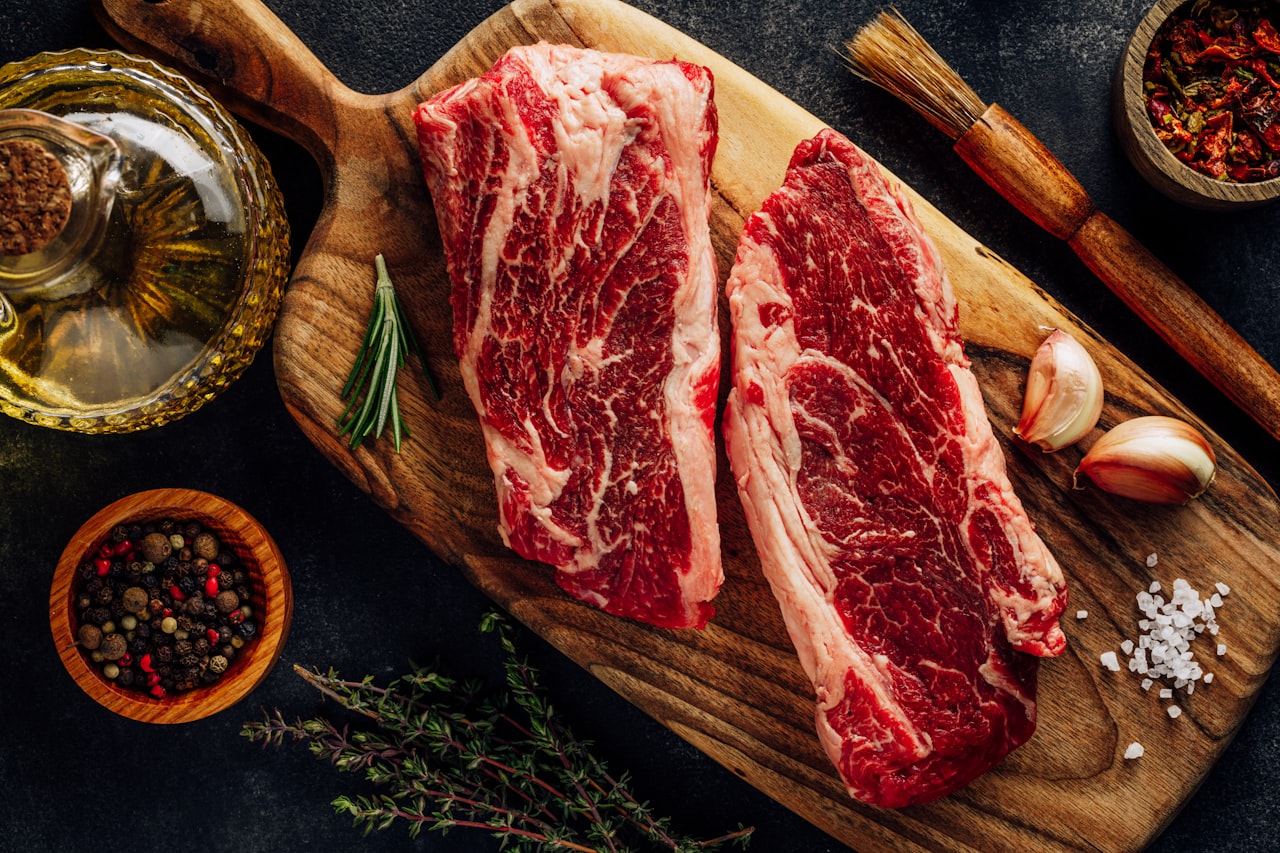
Fewer cattle on the kill floor is not only less beef. It is less hide, less tallow, less blood, less bone — an entire second economy that thins out quietly.
The by-product stack nobody puts in the headline
Every animal that does not walk onto a US kill floor also fails to produce roughly 55–60% of its live weight in things that are not steak. That is the rendering and pharmaceutical raw-material economy, and it is tightening on exactly the same curve as the beef itself — only with far less press coverage.
USDA AMS by-product quotations for the week of 20–24 July 2026 give the shape of it. Edible tallow averaged $78.50 per hundredweight Chicago delivered, with technical tallow at $76.50. Meat and bone meal at 50% protein carried a weighted average of $369.78 per ton in a $360.00–$375.00 range. Blood meal at 85% protein from beef sources was quoted at $1,150.00 per ton FOB central US, moving to $1,170.00 the following week — beef-source protein supplements as a group ranged $1,150.00 to $1,400.00 per ton.
Those are firm numbers in a market that has spent two years being told rendering is a commodity backwater. Blood meal above $1,100 a tonne and technical tallow in the high seventies per hundredweight are not signals of abundance. They are what happens when the raw-material base — head of cattle slaughtered — contracts about 5% year on year while renewable-diesel feedstock demand and pet-food protein demand both keep bidding.
The timeline, honestly
Rebuild clock
2026 — Heifers retained. Slaughter down ~5%. Imports at record pace.
2027 — Retained heifers calve. Still no extra beef; feed and pasture costs carried.
2028 — Those calves enter feedlots. First real relief begins to be visible.
2029 — Meaningful additional boxed beef and additional by-product volume.
Three years is a long time to plan around, and the rebuild can still stall: one bad drought year across the southern Plains and those 3.8 million replacement heifers go back through a packer instead of a breeding pasture. But the base case, on the 24 July count, is a structurally short United States through the end of the decade.
The 4DW Angle
We read the US inventory report the way a supplier reads it, not the way a rancher does. A 1% smaller beef-cow herd is a demand signal with a three-year tail, and it lands on every one of our verticals at once.
On the food side it means the grinding-beef bid holds. On rendering and pharmaceutical raw materials it means something less obvious: the world's largest single source of cattle by-product is producing about 5% less of it, and buyers who never had to think about origin diversification are now writing it into their 2027 sourcing plans.
Brazil is not a spot-market patch for that gap. With our own plant — SIF 4075 / Nutre Meat — and an export book that already runs to the EU, UK, Asia, Africa and the Americas, the useful conversation right now is about multi-year contracted volume and specification stability, not about who is cheapest this week.
Frequently asked questions
Why are US beef prices still high if the cattle herd is stabilising?
Because stabilising is not the same as growing. USDA's 1 July 2026 count showed beef cows down 1% to a record-low 28.5 million head and the calf crop down 2% to 32.5 million. The 3% rise in replacement heifers removes animals from slaughter today, so 2026 supply gets tighter, not looser.
Will the United States keep importing record volumes of beef in 2027?
The base case is yes. US beef imports already hit 1.7 billion pounds in the first quarter of 2026, up more than 15% year on year, while exports fell nearly 18%. Retained heifers do not become boxed beef before 2029, so the import gap has no domestic source of relief until then.
How does a smaller US cattle herd affect tallow and meat and bone meal?
It tightens them directly, because by-product volume is a function of head slaughtered. With weekly US cattle slaughter near 512,000 head in late July 2026, about 4.6% below last year, USDA AMS quoted edible tallow at $78.50/cwt and 50%-protein meat and bone meal at a $369.78/ton weighted average.
Related from the desk
July 2026 scoreboard: beef pays China's quota toll, chicken flies
Three months, one lesson: the year protein learned to diversify
Sources
- USDA NASS, Cattle report, released 24 July 2026 — nass.usda.gov
- Bernt Nelson, “July Cattle Report Signals Stabilizing Cattle Herd”, American Farm Bureau Federation, 27 July 2026 — fb.org
- Josh Maples and David Anderson, “U.S. Beef Imports Hit Record Pace as Exports Drop”, Southern Ag Today, 12 May 2026 — southernagtoday.org
- USDA AMS weekly boxed beef, slaughter and rendered by-product quotations, weeks ending 17 and 24 July 2026 — summary via IndexBox